Background
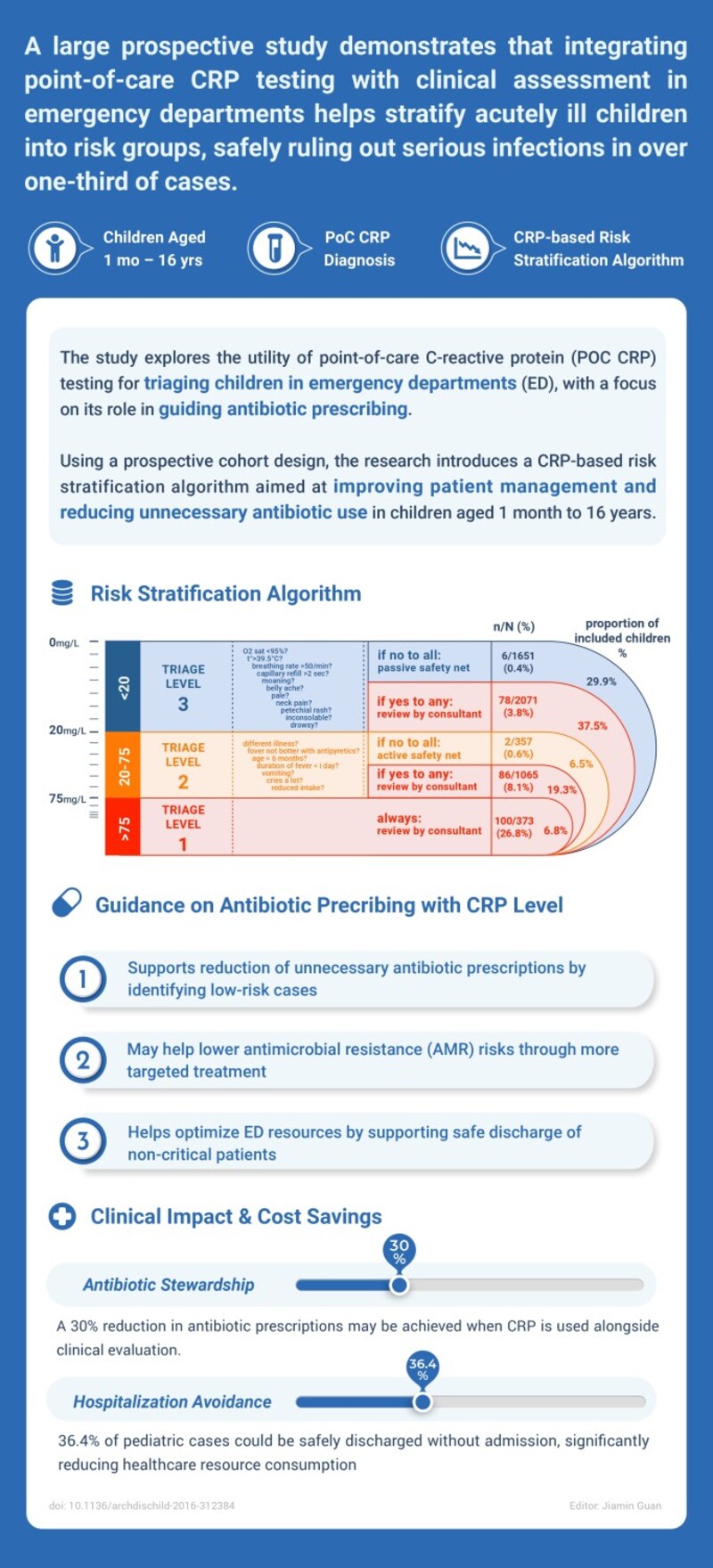
Accurate risk stratification of acutely ill children in emergency departments (EDs) is essential for timely management while avoiding unnecessary antibiotic use and hospital admissions. Emerging evidence indicates that integrating point-of-care C-reactive protein (POC CRP) testing with clinical assessment can improve decision-making in pediatric emergency settings.
Study Overview
A large prospective cohort study evaluated the utility of POC CRP testing in children aged 1 month to 16 years presenting to emergency departments. The study focused on the role of CRP-guided risk stratification in identifying low-risk patients and guiding antibiotic prescribing decisions.
Using a structured CRP-based risk stratification algorithm, the study demonstrated that serious infections could be safely ruled out in over one-third of cases, supporting more targeted clinical management.
CRP-Based Risk Stratification Algorithm
Patients were categorized according to CRP concentration:
-
CRP < 20 mg/L (Low Risk): Majority of patients classified as low risk; many suitable for safe discharge with appropriate safety-netting
-
CRP 20–75 mg/L (Intermediate Risk): Clinical judgment required; consultant review recommended in selected cases
-
CRP > 75 mg/L (High Risk): Strong indication for senior clinical review and further investigation
The algorithm incorporated both CRP levels and clinical parameters to determine the need for escalation or discharge.
Guidance on Antibiotic Prescribing
CRP-guided assessment supports antibiotic stewardship by:
-
Identifying low-risk cases where antibiotics are unlikely to be beneficial
-
Enabling more targeted treatment, potentially reducing antimicrobial resistance risks
-
Supporting safe discharge decisions for non-critical patients
Clinical Impact and Resource Utilization
The integration of CRP testing with clinical evaluation was associated with:
-
Approximately 30% reduction in antibiotic prescriptions
-
36.4% of pediatric cases safely discharged without hospital admission, leading to reduced healthcare resource utilization
Conclusion
POC CRP testing, when used alongside structured clinical assessment, represents a valuable tool for improving pediatric emergency care. By enhancing risk stratification and supporting judicious antibiotic use, CRP-guided strategies may contribute to improved patient outcomes and more efficient use of healthcare resources.
Reference: Arch Dis Child, 2016; doi:10.1136/archdischild-2016-312384.



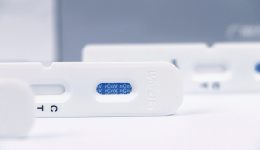 The first developed technology platform with various application scenarios, including infectious disease, fertility, DOA, etc.
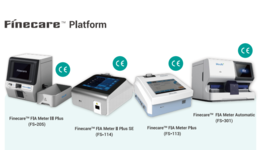 50+ kinds of reagents and five high-performance devices, focusing on detecting cardiovascular disease, inflammation, kidney injury, sex hormones, thyroid function, diabetes, tumor, and others.
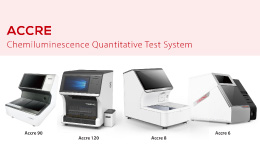 Single-dose Chemiluminescense Immunoassay Platform
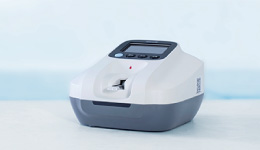 Wondfo optical blood coagulation analyzer is the first one in the world that can test PT, APTT, TT, FIB, and ACT simultaneously.
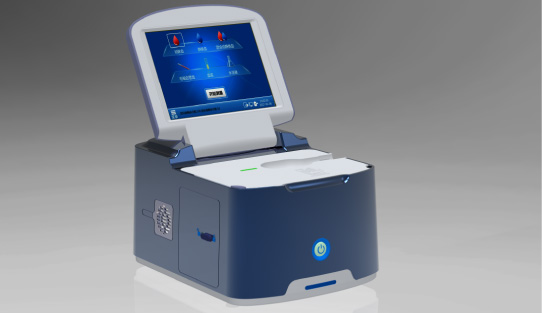 Our Blood Gas Analyzer BGA-102 can produce the result in 30s. Its advantages of portability, easy operation, durability, and high performance make it ideal for clinics, laboratories, and hospitals.
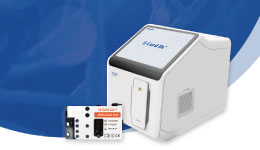 Ready-to-use lyophilized RT-PCR Reagent;
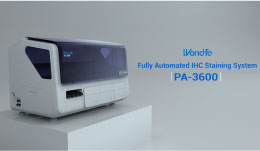 Wondfo PA-3600 IHC Staining System
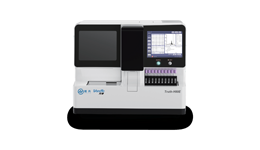 The Wondfo Truth-H80E HPLC Hemoglobin Analyzer is a high-performance diagnostic device designed for rapid and precise measurement of glycosylated hemoglobin (HbA1c)—the gold standard for diabetes diagnosis.It support the standard mode and variant mode and provide the result within 60-90seconds.
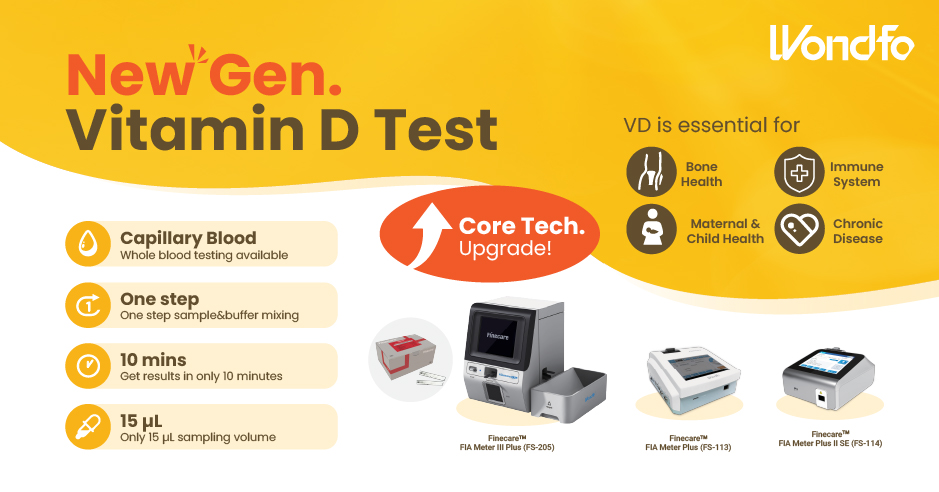 Finecare™ Vitamin D, from complexity to simplicity
 Building A World Free from Antibitoic Overuse
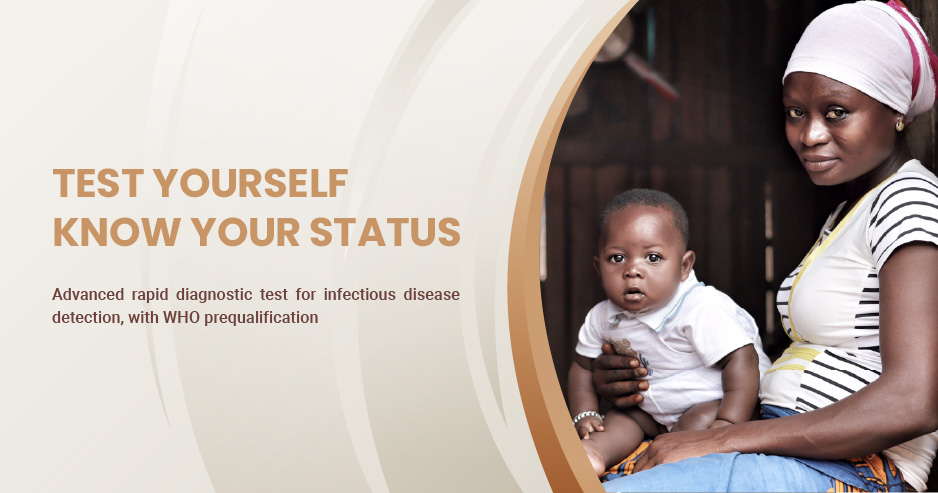 Advanced rapid diagnostic test with WHO prequalification for infectious disease
 The Future Intelligent Medical Assistant to Healthcare
 Fight against the pandemic through continuous innovation


