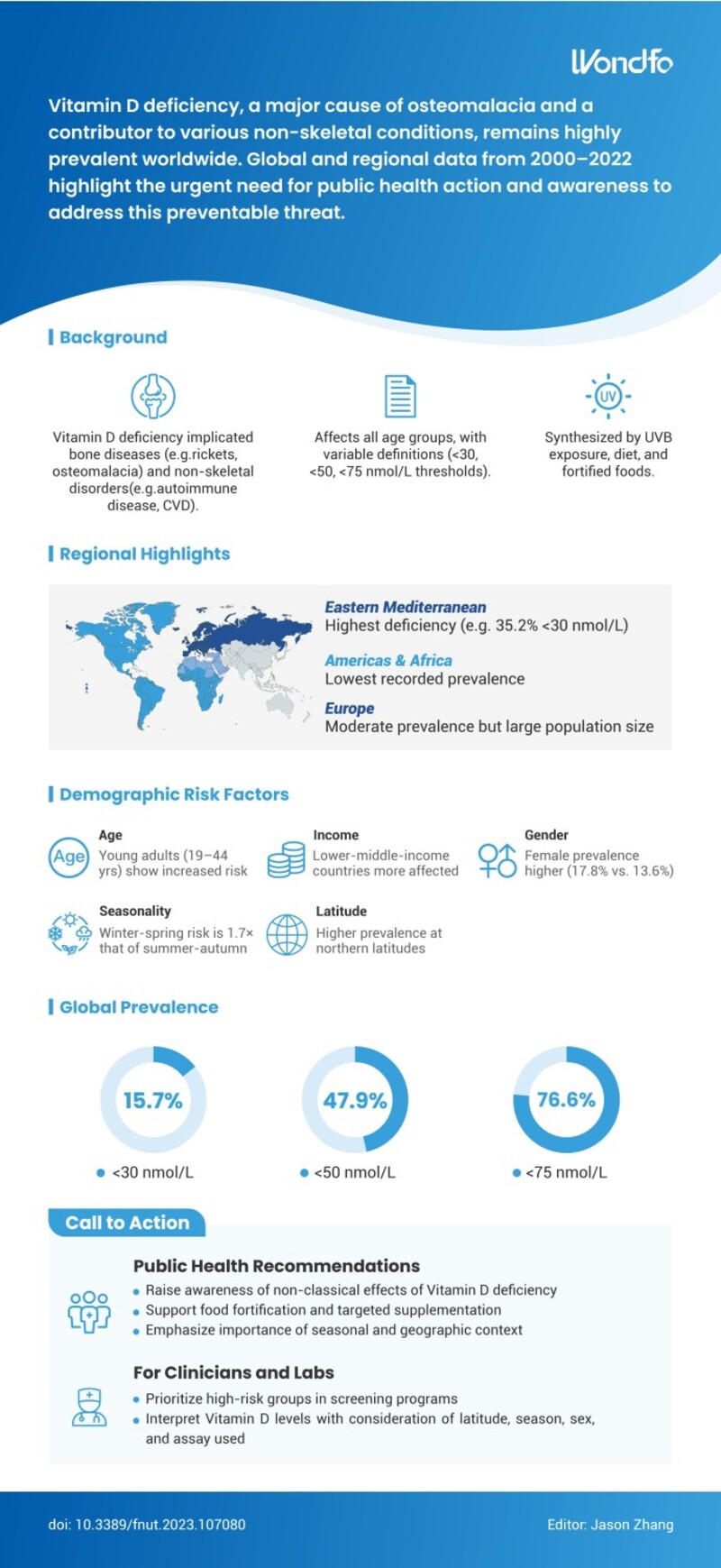
Vitamin D deficiency remains a widespread global health issue and is a major cause of osteomalacia while contributing to a range of non-skeletal conditions. Global and regional data collected between 2000 and 2022 highlight the urgent need for public health action and increased awareness to address this largely preventable condition.
Background
Vitamin D deficiency is implicated in classical bone diseases such as rickets and osteomalacia, as well as non-skeletal disorders including immune-mediated and cardiovascular diseases. Vitamin D status is influenced by ultraviolet B (UVB) exposure, dietary intake, and food fortification practices. However, varying definitions of deficiency thresholds (<30, <50, and <75 nmol/L) complicate prevalence comparisons.
Regional and Global Patterns
Prevalence varies significantly by region:
-
Eastern Mediterranean: Highest deficiency rates, with over 35% of populations below 30 nmol/L
-
Europe: Moderate prevalence but substantial population burden
-
Americas and Africa: Lower reported prevalence, though underdiagnosis may exist
Demographic Risk Factors
Key risk factors for vitamin D deficiency include:
-
Age: Higher risk among young adults aged 19–44 years
-
Seasonality: Winter–spring deficiency risk is approximately 1.7 times higher than summer–autumn
-
Latitude: Higher prevalence in northern latitudes
-
Gender: Higher prevalence in females compared with males
-
Income level: Greater burden in lower- and middle-income countries
Global Prevalence Estimates
Globally, approximately:
-
15.7% of individuals have 25(OH)D levels below 30 nmol/L
-
47.9% are below 50 nmol/L
-
76.6% are below 75 nmol/L
Call to Action
Public health strategies should focus on:
-
Raising awareness of both skeletal and non-classical effects of vitamin D deficiency
-
Supporting food fortification and targeted supplementation programs
-
Emphasizing the importance of seasonal and geographic context in vitamin D assessment
For clinicians and laboratories, priorities include identifying high-risk populations, interpreting vitamin D results with consideration of latitude, season, sex, and assay variability, and supporting evidence-based screening strategies.
Reference:
doi: 10.3389/fnut.2023.107080



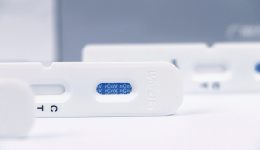 The first developed technology platform with various application scenarios, including infectious disease, fertility, DOA, etc.
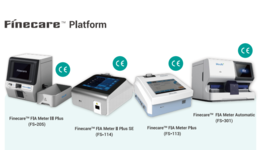 50+ kinds of reagents and five high-performance devices, focusing on detecting cardiovascular disease, inflammation, kidney injury, sex hormones, thyroid function, diabetes, tumor, and others.
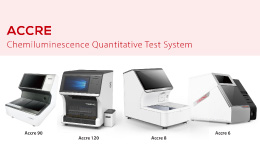 Single-dose Chemiluminescense Immunoassay Platform
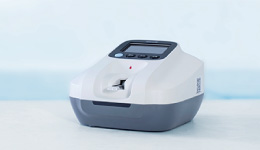 Wondfo optical blood coagulation analyzer is the first one in the world that can test PT, APTT, TT, FIB, and ACT simultaneously.
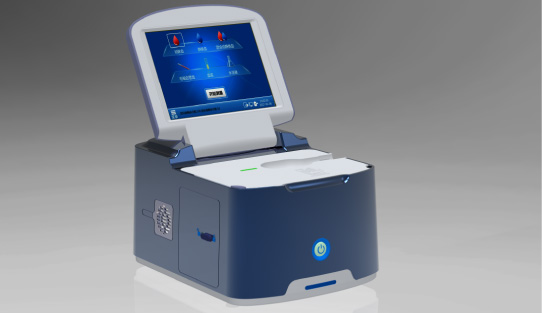 Our Blood Gas Analyzer BGA-102 can produce the result in 30s. Its advantages of portability, easy operation, durability, and high performance make it ideal for clinics, laboratories, and hospitals.
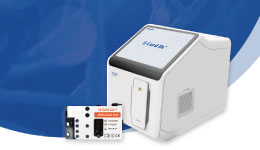 Ready-to-use lyophilized RT-PCR Reagent;
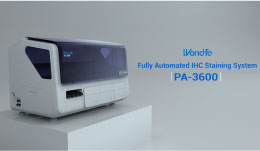 Wondfo PA-3600 IHC Staining System
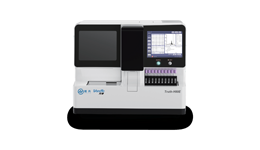 The Wondfo Truth-H80E HPLC Hemoglobin Analyzer is a high-performance diagnostic device designed for rapid and precise measurement of glycosylated hemoglobin (HbA1c)—the gold standard for diabetes diagnosis.It support the standard mode and variant mode and provide the result within 60-90seconds.
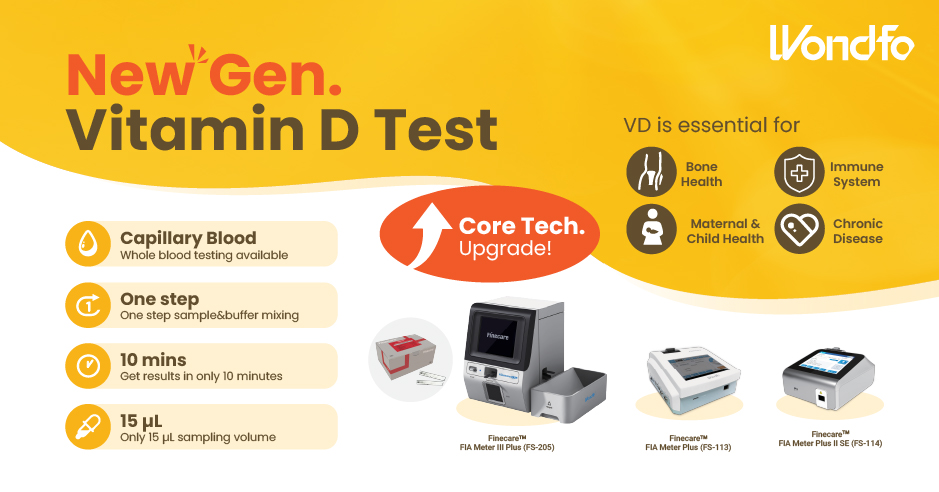 Finecare™ Vitamin D, from complexity to simplicity
 Building A World Free from Antibitoic Overuse
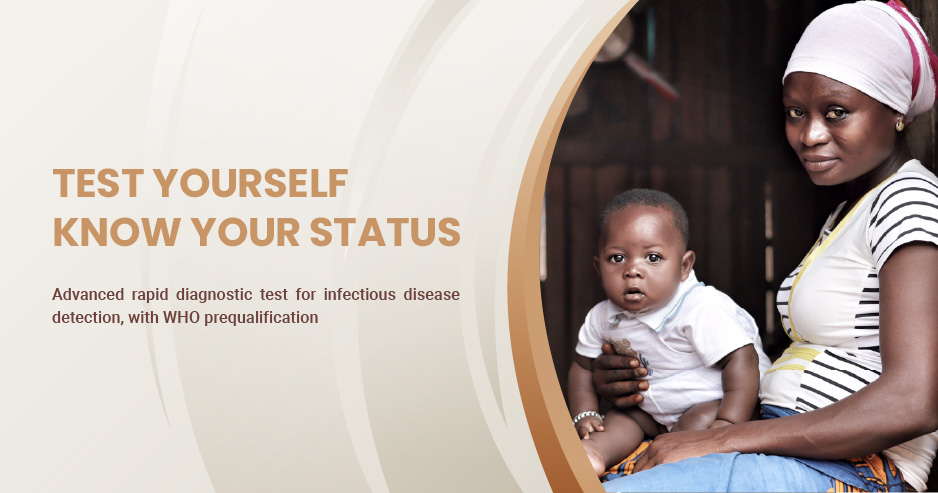 Advanced rapid diagnostic test with WHO prequalification for infectious disease
 The Future Intelligent Medical Assistant to Healthcare
 Fight against the pandemic through continuous innovation


