A woman’s health evolves over time, shaped by hormonal, metabolic, and physiological changes. Each life stage brings unique health considerations. Early awareness and timely diagnostic testing can help support prevention, early detection, and better clinical management. Understanding when to test—and which biomarkers may provide useful clinical information—can help clinicians make more informed decisions.
Below are common health conditions affecting women by different stages of adulthood and the biomarkers that help clinicians assess risk and guide care.
I. Reproductive Years
The reproductive years generally span from menarche to the menopausal transition. Hormonal balance plays a central role in menstrual regularity, fertility, and overall metabolic health. Irregular cycles, acne, unwanted hair growth, or difficulty conceiving may signal underlying endocrine changes.

Polycystic Ovary Syndrome (PCOS)
Polycystic ovary syndrome (PCOS) is one of the most common endocrine disorders among women of reproductive age. It is characterized by hormonal imbalance, particularly elevated androgen levels, which may lead to irregular menstrual cycles, ovulatory dysfunction, acne, and excessive hair growth.
According to the World Health Organization, PCOS affects an estimated
10–13% of reproductive-aged women, and up to
70% of cases remain undiagnosed globally. In addition to reproductive symptoms, PCOS is associated with long-term metabolic risks, including insulin resistance, type 2 diabetes, cardiovascular disease, and anemia.
Key biomarkers
· LH
· FSH
· Testosterone
· AMH
· Ferritin
· Vitamin B12
Learn more about Wondfo diagnostic solutions:
· Immunofluorescence Quantitative Test System
· Mono-test Chemiluminescence Quantitative Test System
· Fully-auto Chemiluminescence Quantitative Test System
Reproductive Health and TORCH Screening
TORCH refers to a group of infections that may cause congenital complications when transmitted from mother to fetus. These include
Toxoplasma gondii, Rubella virus, Cytomegalovirus (CMV), and Herpes simplex virus (HSV), as well as other infections such as syphilis or parvovirus B19.
Many TORCH infections cause mild or asymptomatic illness in pregnant women but may lead to serious fetal complications, including congenital anomalies or neurological damage. Early detection through serological screening plays an important role in risk assessment and prenatal care.
Key biomarkers
· Toxoplasma IgG / IgM
· Rubella IgG / IgM
· CMV IgG / IgM
· HSV-1/2 IgG / IgM
Learn more about Wondfo diagnostic solutions:
· Mono-test Chemiluminescence Quantitative Test System
· Fully-auto Chemiluminescence Quantitative Test System
II. Menopausal Transition
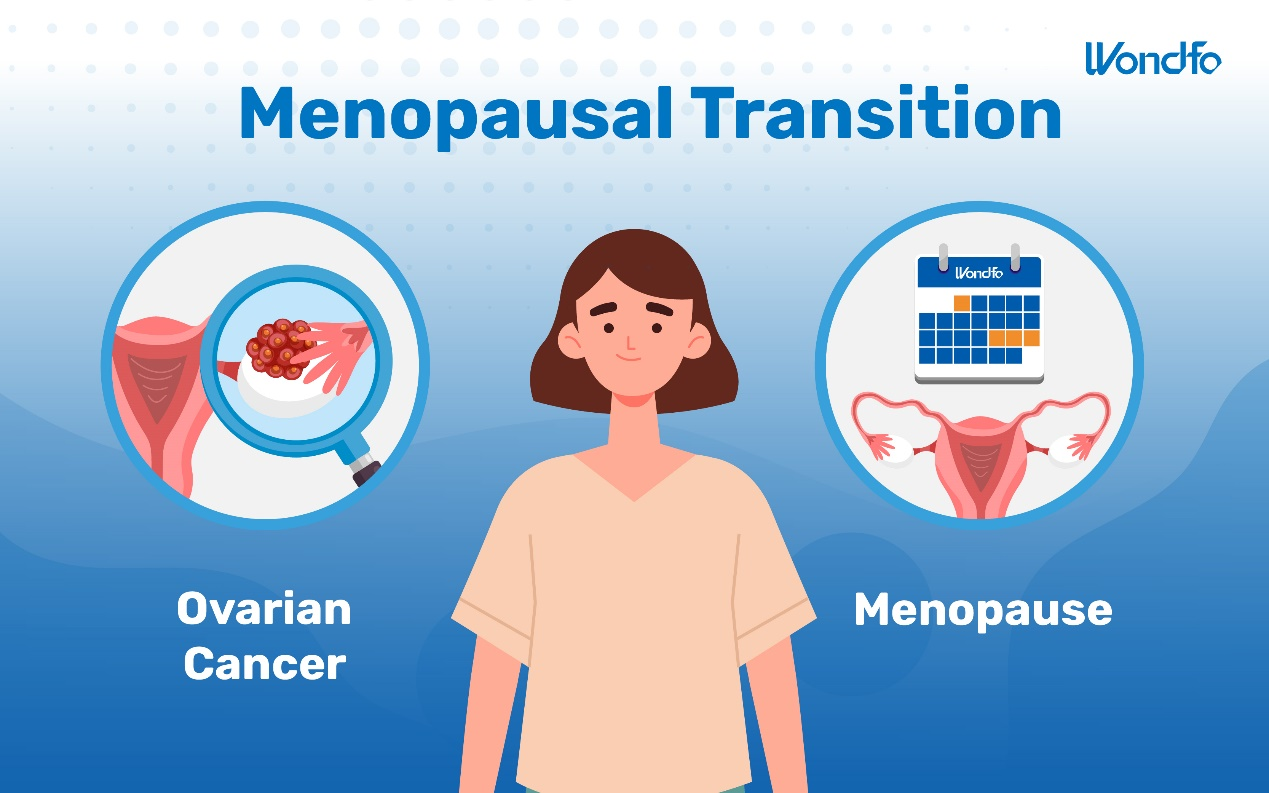
The menopausal years refer to the period when ovarian function declines and estrogen production decreases, typically occurring between ages 45 and 55.
Menopause
Menopause is one point in a continuum of life stages for women, marking the permanent cessation of menstruation and results from the loss of ovarian follicular function and declining estrogen production. Most women experience menopause between
45 and 55 years of age as a natural part of biological aging.
Hormone testing can help clinicians assess endocrine changes associated with menopausal transition and support symptom management.
Key biomarkers
· FSH
· Estradiol (E2)
· LH
Learn more about Wondfo diagnostic solutions:
· Immunofluorescence Quantitative Test System
· Mono-test Chemiluminescence Quantitative Test System
· Fully-auto Chemiluminescence Quantitative Test System
Ovarian Cancer
Ovarian cancer is one of the most serious gynecologic cancers because symptoms often appear in later stages. Early symptoms can be subtle—bloating, pelvic discomfort, or changes in appetite. Because early-stage ovarian cancer may present with nonspecific signs, laboratory markers are often used alongside imaging.
Key biomarker
· CA125
CA125 levels are elevated in many women with ovarian cancer and are widely used to support clinical assessment and treatment monitoring.
Learn more about Wondfo diagnostic solutions:
· Immunofluorescence Quantitative Test System
· Mono-test Chemiluminescence Quantitative Test System
· Fully-auto Chemiluminescence Quantitative Test System
III. Postmenopausal Years
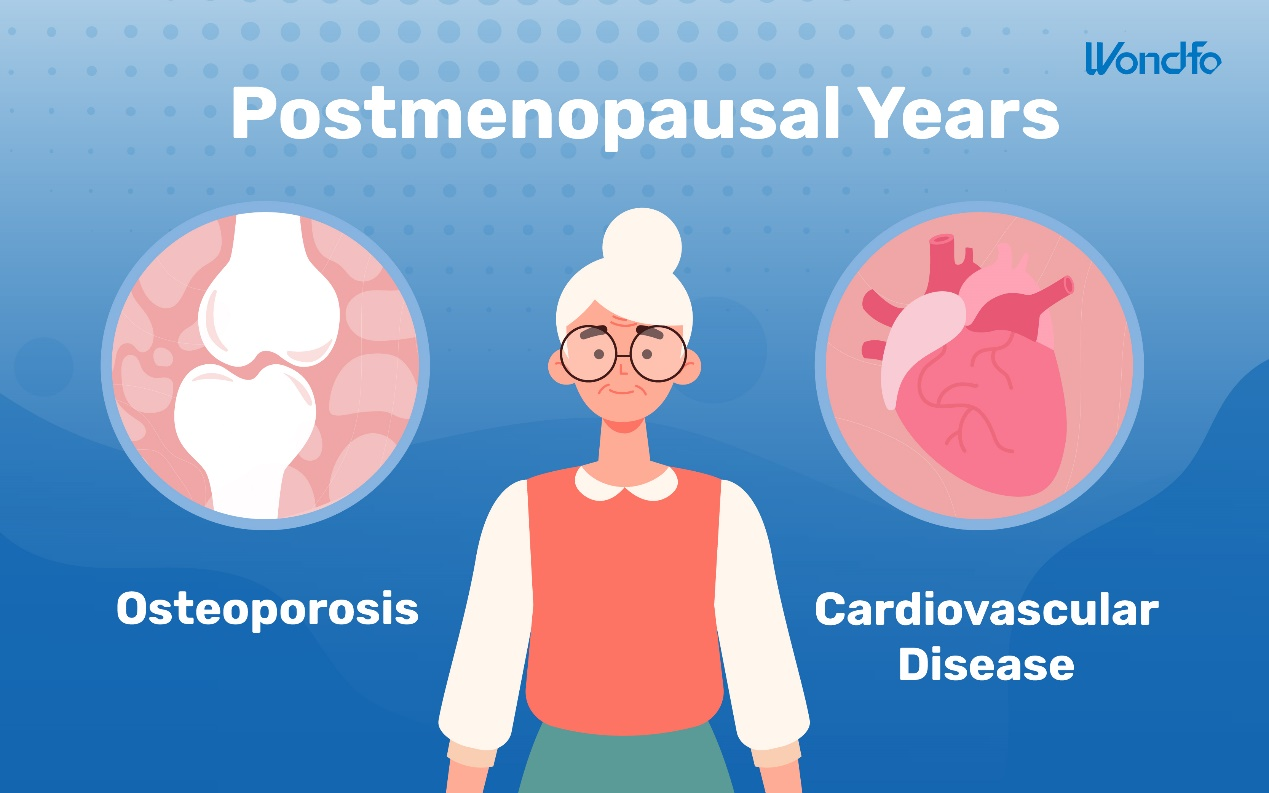
Postmenopause refers to the years after menopause when estrogen levels remain consistently low, increasing the risk of chronic conditions such as cardiovascular disease and osteoporosis.
Cardiovascular Disease (CVD)
Cardiovascular disease is one of the leading causes of death among women worldwide. Women may experience symptoms that differ from the classic presentation seen in men. In addition to chest pain, symptoms may include fatigue, shortness of breath, nausea, or pain in the back or jaw. These symptoms, which are more common among women, can sometimes contribute to delayed diagnosis.
Cardiac biomarkers play a critical role in evaluating myocardial injury and heart failure.
Key biomarkers
· cTnT
· hs-cTnI
· NT-proBNP / BNP
· hs-CRP
Learn more about Wondfo diagnostic solutions:
· Immunofluorescence Quantitative Test System
· Mono-test Chemiluminescence Quantitative Test System
· Fully-auto Chemiluminescence Quantitative Test System
Osteoporosis
Osteoporosis is a common condition among older women characterized by decreased bone density and increased fracture risk. After menopause, reduced estrogen levels accelerate bone loss, making women more vulnerable to osteoporosis and related fractures.
Monitoring markers related to bone metabolism may help clinicians evaluate risk and guide preventive strategies.
Key biomarkers
· 25-OH Vitamin D
· Parathyroid Hormone (PTH)
Learn more about Wondfo diagnostic solutions:
· Immunofluorescence Quantitative Test System
· Mono-test Chemiluminescence Quantitative Test System
· Fully-auto Chemiluminescence Quantitative Test System
References
1. World Health Organization. Polycystic ovary syndrome (PCOS) Fact Sheet.
https://www.who.int/news-room/fact-sheets/detail/polycystic-ovary-syndrome
2. Stegmann B., Carey J. TORCH infections.
Current Women’s Health Reports.
https://pubmed.ncbi.nlm.nih.gov/12150751/
3. World Health Organization. Menopause Fact Sheet.
https://www.who.int/news-room/fact-sheets/detail/menopause
4. National Cancer Institute. Ovarian Cancer Overview.
https://www.cancer.gov/types/ovarian
5. World Health Organization. Cardiovascular Diseases Fact Sheet.
https://www.who.int/news-room/fact-sheets/detail/cardiovascular-diseases-(cvds)
International Osteoporosis Foundation. What is Osteoporosis.
https://www.osteoporosis.foundation/patients/about-osteoporosis



 The first developed technology platform with various application scenarios, including infectious disease, fertility, DOA, etc.
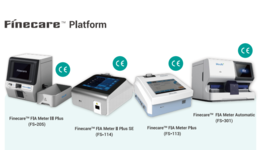 50+ kinds of reagents and five high-performance devices, focusing on detecting cardiovascular disease, inflammation, kidney injury, sex hormones, thyroid function, diabetes, tumor, and others.
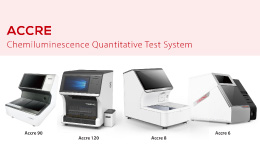 Single-dose Chemiluminescense Immunoassay Platform
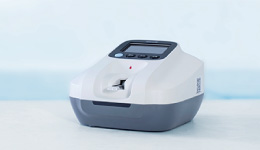 Wondfo optical blood coagulation analyzer is the first one in the world that can test PT, APTT, TT, FIB, and ACT simultaneously.
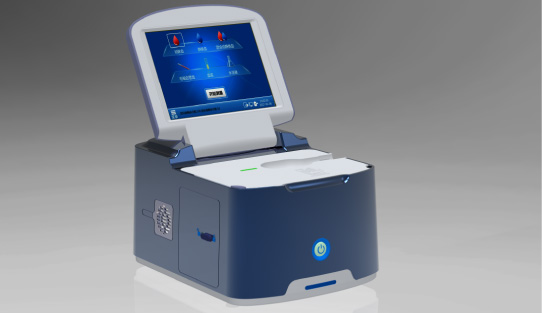 Our Blood Gas Analyzer BGA-102 can produce the result in 30s. Its advantages of portability, easy operation, durability, and high performance make it ideal for clinics, laboratories, and hospitals.
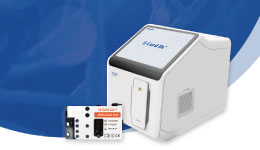 Ready-to-use lyophilized RT-PCR Reagent;
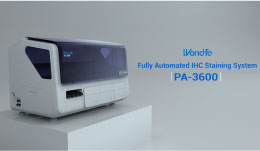 Wondfo PA-3600 IHC Staining System
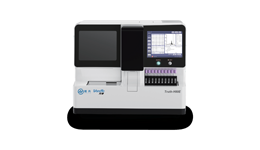 The Wondfo Truth-H80E HPLC Hemoglobin Analyzer is a high-performance diagnostic device designed for rapid and precise measurement of glycosylated hemoglobin (HbA1c)—the gold standard for diabetes diagnosis.It support the standard mode and variant mode and provide the result within 60-90seconds.
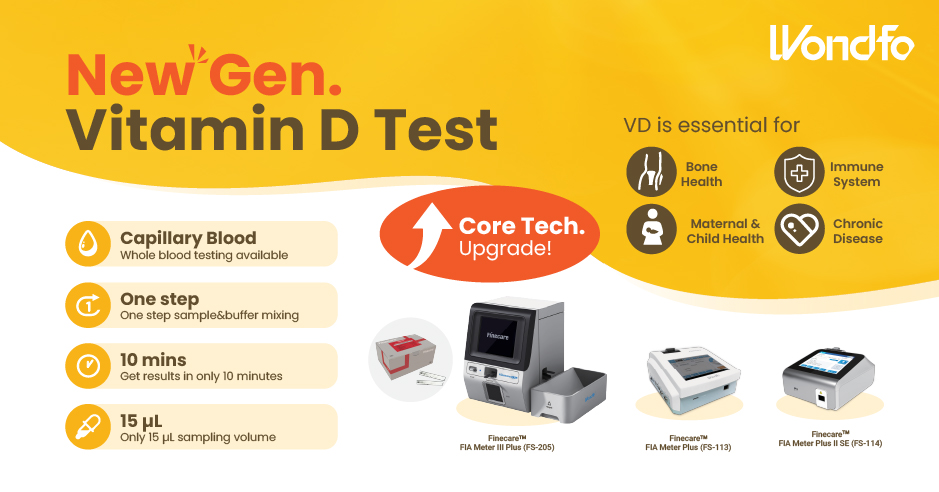 Finecare™ Vitamin D, from complexity to simplicity
 Building A World Free from Antibitoic Overuse
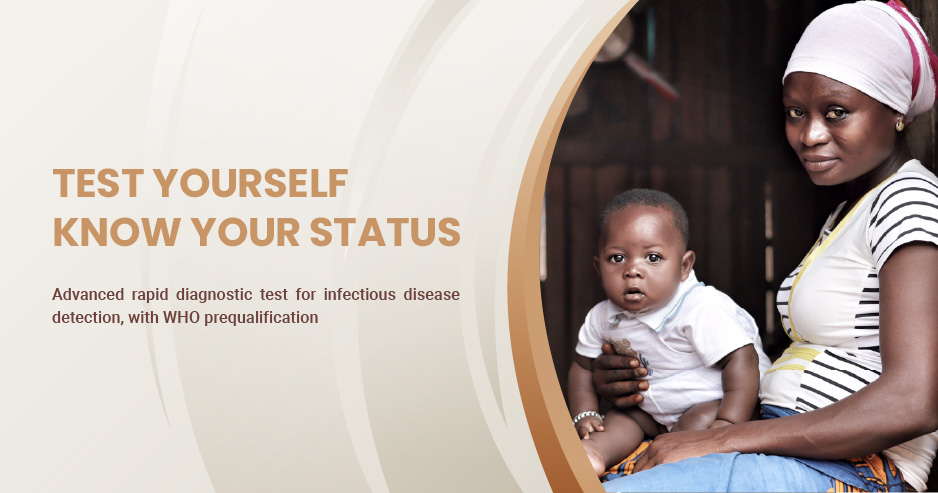 Advanced rapid diagnostic test with WHO prequalification for infectious disease
 The Future Intelligent Medical Assistant to Healthcare
 Fight against the pandemic through continuous innovation



 Request


