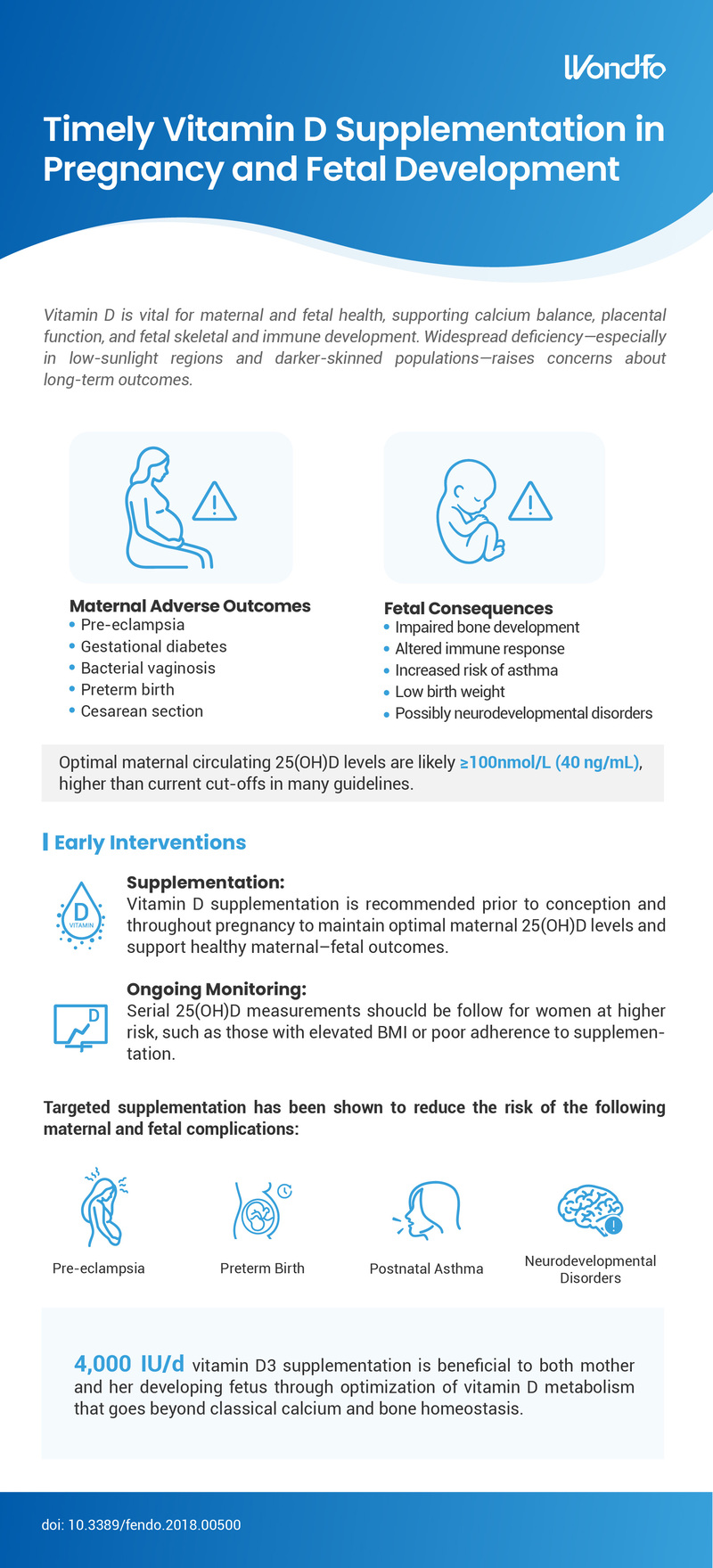
Vitamin D plays a critical role in maternal and fetal health throughout pregnancy. Beyond its well-established function in calcium and bone metabolism, vitamin D is increasingly recognized for its involvement in placental function, immune modulation, and fetal growth and development. Emerging evidence suggests that timely assessment and appropriate supplementation of vitamin D during pregnancy may significantly influence both short- and long-term maternal–fetal outcomes.
The Importance of Vitamin D During Pregnancy
Adequate vitamin D status is essential to support physiological adaptations during pregnancy. Maternal vitamin D contributes to calcium homeostasis, supports normal placental development, and plays a role in fetal skeletal formation and immune system maturation. However, vitamin D deficiency remains widespread globally, particularly among women living in low-sunlight regions, those with limited outdoor exposure, and individuals with increased skin pigmentation.
This high prevalence of deficiency has raised growing concerns regarding its potential association with adverse pregnancy outcomes and long-term child health.
Maternal and Fetal Risks Associated with Vitamin D Deficiency
Accumulating clinical and epidemiological studies have linked insufficient maternal vitamin D levels with an increased risk of several pregnancy-related complications.
Reported maternal adverse outcomes include:
- Pre-eclampsia
- Gestational diabetes
- Bacterial vaginosis
- Preterm birth
- Cesarean section
For the developing fetus, inadequate maternal vitamin D status has been associated with multiple consequences, such as:
- Impaired bone development
- Altered immune response
- Increased risk of childhood asthma
- Low birth weight
- Possibly neurodevelopmental disorders
Optimal Vitamin D Levels: Rethinking Current Thresholds
Evidence suggests that optimal maternal circulating 25-hydroxyvitamin D [25(OH)D] concentrations during pregnancy are likely ≥100 nmol/L (40 ng/mL), higher than the thresholds currently adopted in many clinical guidelines.
Early Intervention: Supplementation and Monitoring
Vitamin D supplementation is widely recommended prior to conception and throughout pregnancy to help achieve and maintain optimal maternal 25(OH)D levels. In addition, ongoing monitoring of vitamin D status is particularly important for women at higher risk of deficiency.
In addition to supplementation, ongoing monitoring of vitamin D status is particularly important for women at higher risk of deficiency, including those with elevated body mass index (BMI), limited sun exposure, or suboptimal adherence to supplementation. Serial measurements of 25(OH)D can support personalized nutritional management during pregnancy.
Clinical Benefits of Targeted Supplementation
Targeted vitamin D supplementation has been shown to reduce the risk of maternal and fetal complications, including pre-eclampsia, preterm birth, postnatal asthma, and neurodevelopmental disorders.
Clinical studies indicate that a daily intake of 4,000 IU of vitamin D₃ during pregnancy may be beneficial for both mother and fetus.
Conclusion
Timely assessment and appropriate management of vitamin D status represent an important component of comprehensive prenatal care.



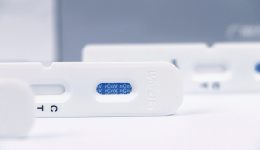 The first developed technology platform with various application scenarios, including infectious disease, fertility, DOA, etc.
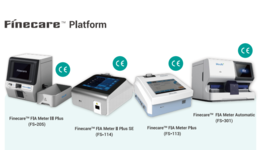 50+ kinds of reagents and five high-performance devices, focusing on detecting cardiovascular disease, inflammation, kidney injury, sex hormones, thyroid function, diabetes, tumor, and others.
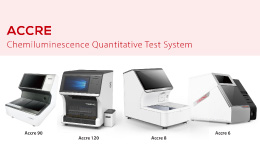 Single-dose Chemiluminescense Immunoassay Platform
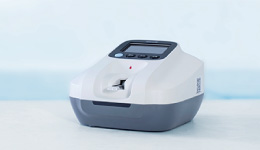 Wondfo optical blood coagulation analyzer is the first one in the world that can test PT, APTT, TT, FIB, and ACT simultaneously.
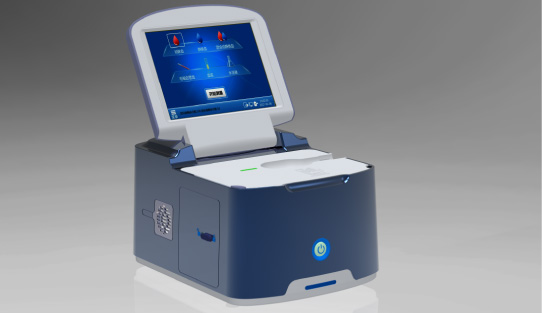 Our Blood Gas Analyzer BGA-102 can produce the result in 30s. Its advantages of portability, easy operation, durability, and high performance make it ideal for clinics, laboratories, and hospitals.
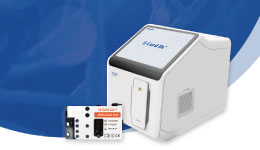 Ready-to-use lyophilized RT-PCR Reagent;
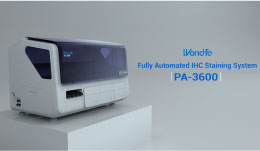 Wondfo PA-3600 IHC Staining System
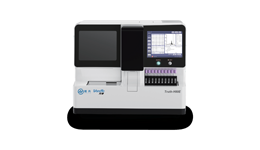 The Wondfo Truth-H80E HPLC Hemoglobin Analyzer is a high-performance diagnostic device designed for rapid and precise measurement of glycosylated hemoglobin (HbA1c)—the gold standard for diabetes diagnosis.It support the standard mode and variant mode and provide the result within 60-90seconds.
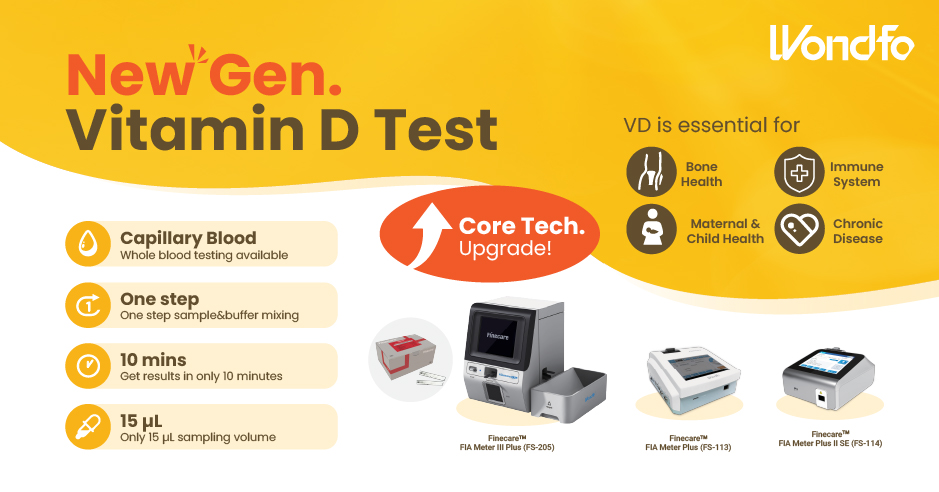 Finecare™ Vitamin D, from complexity to simplicity
 Building A World Free from Antibitoic Overuse
 Advanced rapid diagnostic test with WHO prequalification for infectious disease
 The Future Intelligent Medical Assistant to Healthcare
 Fight against the pandemic through continuous innovation


