Choosing a cardiac biomarker analyzer involves more than comparing test speed. A suitable system should provide the analytical performance required for hs-cTnI, fit the laboratory's peak workload, handle urgent samples efficiently and remain practical for staff to operate every day.
The decision is easier when it is divided into two questions:
1. Does the hs-cTnI assay provide appropriate performance at clinically important concentrations?
2. Can the analyzer deliver those results within the laboratory's actual workflow?
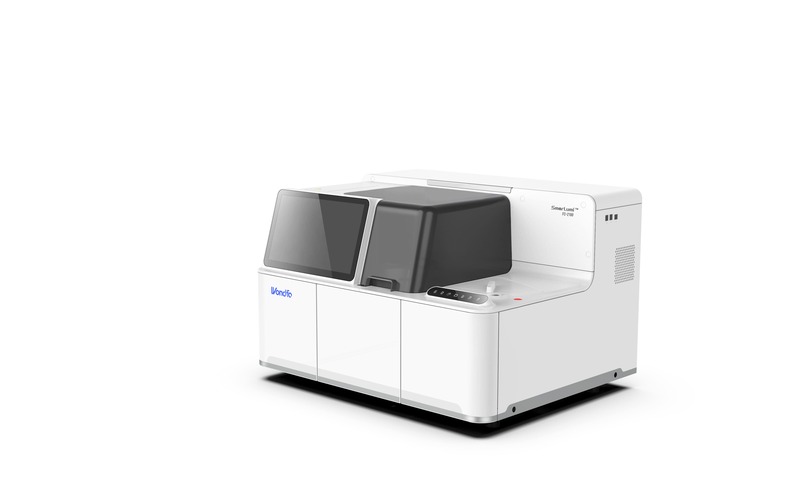
The SmarLumi™ FC-2100 is a desktop, fully automated chemiluminescence immunoassay analyzer designed for laboratories that need a compact system with high testing capacity and a broad assay menu.
Quick Answer: What Should You Check?
When choosing a chemiluminescence immunoassay analyzer for cardiac biomarkers, review these seven areas:
1. hs-cTnI analytical performance
2. Time to first result and total turnaround time
3. Hourly throughput and peak workload capacity
4. STAT sample handling
5. Sample and reagent capacity
6. Cardiac biomarker test menu
7. Quality control, automation and LIS connectivity
A fast analyzer is useful only when its assay performance, sample workflow and reporting process also meet the laboratory's requirements.
SmarLumi™ FC-2100 at a Glance
|
Selection factor
|
FC-2100 specification
|
|
Methodology
|
Chemiluminescence immunoassay
|
|
Time to first result
|
Less than 12 minutes
|
|
Throughput
|
Up to 200 tests per hour
|
|
Sample positions
|
60
|
|
Reagent positions
|
25
|
|
STAT testing
|
Supported
|
|
Reagent refrigeration
|
2°C to 8°C onboard
|
|
Sample volume
|
5 to 150 μL
|
|
Result storage
|
At least 60,000 results
|
|
Analyzer footprint
|
Approximately 0.64 m²
|
|
Display
|
15.6-inch touch screen
|
|
Connectivity
|
Bidirectional LIS compatible
|
|
Carry-over
|
0.5 ppm or less
|
These specifications describe the analyzer platform. Laboratories should consult the current instructions for use to confirm requirements for each individual assay.
1. Start with Your Laboratory Workflow
The best analyzer for a central laboratory may not be the best choice for an emergency or STAT laboratory. Before reviewing product specifications, examine how cardiac samples currently move through your facility.
Collect at least four weeks of workflow data:
- Average cardiac samples per day
- Peak samples received within one hour
- Average number of tests ordered per patient
- Percentage of STAT requests
- Time from sample collection to verified result
- Delays caused by transport, centrifugation, loading or manual review
- Current instrument downtime and maintenance requirements
Peak demand is usually more useful than the daily average.
For example, if 30 patients arrive during a busy hour and each requires two cardiac biomarker tests, the laboratory must process at least 60 tests during that period before routine immunoassay work is included.
The FC-2100 is rated for up to 200 tests per hour. This provides capacity for mixed workloads, although the laboratory should confirm practical throughput using its expected assay combination during an onsite demonstration.
2. Check Whether the hs-cTnI Assay Meets High-Sensitivity Requirements
High-sensitivity describes the analytical performance of a cardiac troponin assay. It does not refer to a different form of troponin.
International criteria commonly used for an hs-cTn assay include:
- A coefficient of variation of 10% or less at the 99th percentile upper reference limit
- Measurable concentrations above the limit of detection in more than 50% of apparently healthy men and women
Wondfo that its new-generation hs-cTnI assay validated on the FC-2100 is included in the current IFCC Cardiac Troponin Assay Performance Parameters List.
Published FC-2100 hs-cTnI Performance
|
Analytical parameter
|
Published value
|
|
Overall 99th percentile
|
17.7 ng/L
|
|
Female 99th percentile
|
11.8 ng/L
|
|
Male 99th percentile
|
19.9 ng/L
|
|
Overall CV at the 99th percentile
|
3.0% to 3.4%
|
|
Healthy population measured at or above LoD
|
95.6% overall
|
|
Female detection rate
|
92.2%
|
|
Male detection rate
|
99.0%
|
|
Limit of blank
|
0.6 ng/L
|
|
Limit of detection
|
1.0 ng/L
|
|
Time to first result
|
12 minutes
|
These figures provide useful evaluation points, but they should be checked against the current assay instructions for use, local regulatory status and the laboratory’s verification protocol.
Troponin values are assay specific. Results should be interpreted with clinical findings, electrocardiography and serial changes when required. A single hs-cTnI result should not be treated as an independent diagnosis.
3. Measure the Right Kind of Speed
The FC-2100 provides a first result in less than 12 minutes. This is the instrument’s analytical result time, not the complete patient turnaround time.
Total turnaround time may include:
1. Test ordering
2. Sample collection
3. Transport to the laboratory
4. Centrifugation or preparation
5. Analyzer loading
6. Testing
7. Result review
8. LIS transmission
A purchasing team should measure each stage. A 12-minute assay will not produce a 12-minute patient result if the sample waits 20 minutes for transport or preparation.
The FC-2100 supports batch and STAT testing. Its continuous loading and offloading functions allow staff to add samples and reagents while routine work continues.
During a product demonstration, ask to see:
- How a STAT sample is loaded
- Where it enters the existing queue
- Whether STAT insertion affects routine samples
- How the sample is identified
- How the verified result enters the LIS
This provides a clearer view of real workflow value than the analyzer time alone.
4. Review Capacity, Reagents and Sample Handling
The FC-2100 provides 60 sample positions and 25 reagent positions within an approximately 0.64 m² footprint. This combination may suit laboratories that need higher capacity but have limited bench or floor space.
According to the SmarLumi™ FC-2100, onboard reagents are refrigerated at 2°C to 8°C and are available in 25 or 50-test bottle formats. Reagent size should be matched to testing volume to reduce replacement frequency and avoid unnecessary waste.
The platform supports sample volumes from 5 to 150 μL. Whole blood, serum, plasma, urine and cerebrospinal fluid are included in the analyzer-level sample list.
This does not mean every assay supports every sample type. For hs-cTnI, confirm:
- Approved sample matrix
- Required collection tube
- Minimum sample volume
- Centrifugation requirements
- Sample stability
- Interference limitations
The correct source is the current hs-cTnI instructions for use for the intended market.
5. Look at the Complete Cardiac Biomarker Menu
A laboratory may begin with hs-cTnI, but the long-term value of an analyzer often depends on the broader test menu.
SmarLumi™ FC-2100 cardiac test menu:
- hs-cTnI
- cTnT
- BNP
- NT-proBNP
- CK-MB
- Myoglobin
- Lp-PLA2
- ST2
- D-Dimer
This menu gives laboratories options across myocardial injury, heart failure and broader cardiovascular assessment.
Before purchasing, confirm which assays are registered and available locally. Also review expected monthly volume, reagent pack size and whether consolidating cardiac tests on one platform could reduce sample movement or equipment duplication.
6. Focus on Automation That Saves Staff Time
Automation is valuable when it removes routine manual work or helps control avoidable errors.
The SmarLumi™ FC-2100 Chemiluminescence Immunoassay Analyzer includes:
- Primary tube sampling
- Automatic barcode identification
- Automatic dilution
- Automatic rerun
- Remeasurement after results exceed the linearity range
- Liquid-level detection
- Block detection
- Needle collision protection
- RFID reagent management
- Automatic switching between two substrate bottles
- Continuous sample and reagent loading
- Bidirectional LIS communication
RFID and consumable monitoring may reduce manual tracking, but their practical value should be assessed through a live demonstration with laboratory staff.
Which Laboratories May Consider the FC-2100?
|
Laboratory scenario
|
Relevant FC-2100 capabilities
|
|
High-volume hospital laboratory
|
Up to 200 tests per hour, 60 sample positions, continuous loading
|
|
Emergency or STAT laboratory
|
Less than 12-minute first result, STAT mode, barcode identification
|
|
Space-limited laboratory
|
Approximately 0.64 m² footprint
|
|
Laboratory expanding cardiac testing
|
Multiple cardiac biomarkers on one platform
|
|
Laboratory reducing manual steps
|
Automatic dilution, rerun, reagent management and LIS connectivity
|
These are planning scenarios. Final suitability depends on peak volume, staffing, local assay registration, current laboratory configuration and required total turnaround time.
Cardiac Biomarker Analyzer Purchasing Checklist
Before selecting an analyzer, request documented answers to these questions:
- Does the hs-cTnI assay meet recognized high-sensitivity criteria?
- What are the LoB, LoD, LoQ and reportable range?
- Are sex-specific 99th percentile values available?
- Which sample matrices are approved locally for hs-cTnI?
- What is the measured end-to-end turnaround time?
- How does STAT insertion affect routine testing?
- What are the calibration and quality control requirements?
- How long are reagents stable onboard?
- Which cardiac assays are registered in the target market?
- How are interference, carry-over and results above the measuring range handled?
- Is bidirectional LIS communication included?
- What training, maintenance and service response are provided?
FAQ
Q1. Is SmarLumi™ FC-2100 a point-of-care analyzer?
A: FC-2100 is described as a desktop, fully automated chemiluminescence immunoassay analyzer. Its STAT function can support urgent laboratory workflows, but this should not be confused with a bedside point-of-care device.
Q2. Does the FC-2100 support whole blood?
A: Whole blood is included in the platform-level sample list. Confirm the approved matrix, collection tube and required volume for the specific hs-cTnI assay before implementation.
Q3. How quickly does the FC-2100 report hs-cTnI?
A: Wondfo publishes a 12-minute time to first result for its new-generation hs-cTnI assay on FC-2100. Total turnaround time also depends on collection, transport, preparation, loading and result verification.
Q4. Can FC-2100 run other cardiac biomarkers?
A: The published cardiac menu includes hs-cTnI, cTnT, BNP, NT-proBNP, CK-MB, myoglobin, Lp-PLA2 and ST2. Local registration and availability should be confirmed.
Q5. What should be verified before routine testing begins?
A: Typical verification areas include precision, measuring range, reference values, sample matrix, carry-over, LIS transmission, quality control and operator competency. Laboratories should follow local regulations and the current instructions for use.
Conclusion
A suitable chemiluminescence immunoassay analyzer should combine appropriate assay evidence with a workflow the laboratory can sustain.
SmarLumi™ FC-2100 offers hs-cTnI performance data, a first result in less than 12 minutes, STAT support, throughput of up to 200 tests per hour and a broad cardiac biomarker menu within a compact platform.
Contact Wondfo to request the current SmarLumi™ FC-2100 instructions for use, local registration information, a laboratory workflow assessment or a quotation for your market.



 The first developed technology platform with various application scenarios, including infectious disease, fertility, DOA, etc.
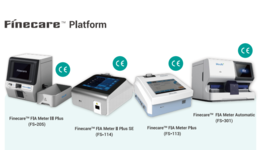 50+ kinds of reagents and five high-performance devices, focusing on detecting cardiovascular disease, inflammation, kidney injury, sex hormones, thyroid function, diabetes, tumor, and others.
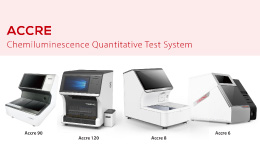 Single-dose Chemiluminescense Immunoassay Platform
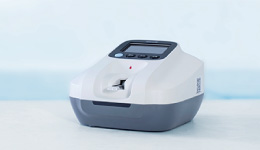 Wondfo optical blood coagulation analyzer is the first one in the world that can test PT, APTT, TT, FIB, and ACT simultaneously.
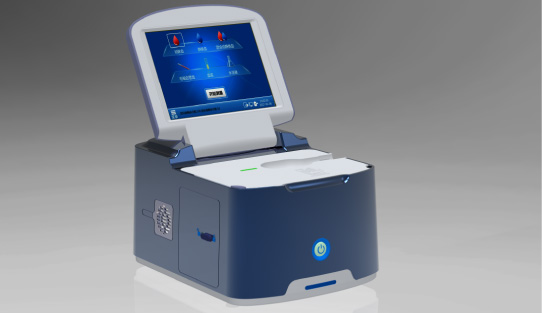 Our Blood Gas Analyzer BGA-102 can produce the result in 30s. Its advantages of portability, easy operation, durability, and high performance make it ideal for clinics, laboratories, and hospitals.
 Ready-to-use lyophilized RT-PCR Reagent;
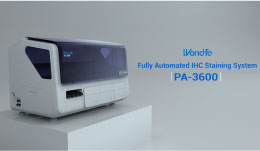 Wondfo PA-3600 IHC Staining System
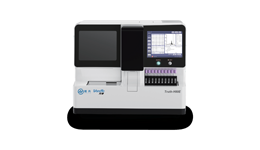 The Wondfo Truth-H80E HPLC Hemoglobin Analyzer is a high-performance diagnostic device designed for rapid and precise measurement of glycosylated hemoglobin (HbA1c)—the gold standard for diabetes diagnosis.It support the standard mode and variant mode and provide the result within 60-90seconds.
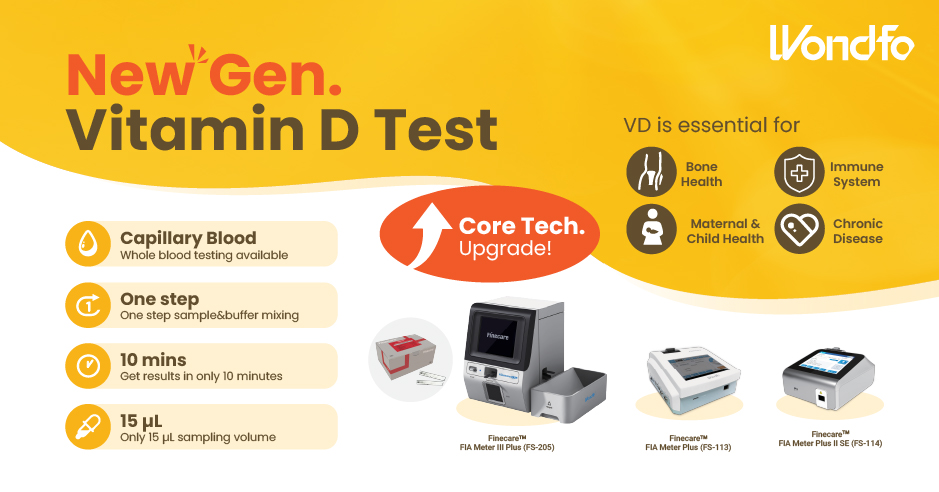 Finecare™ Vitamin D, from complexity to simplicity
 Building A World Free from Antibitoic Overuse
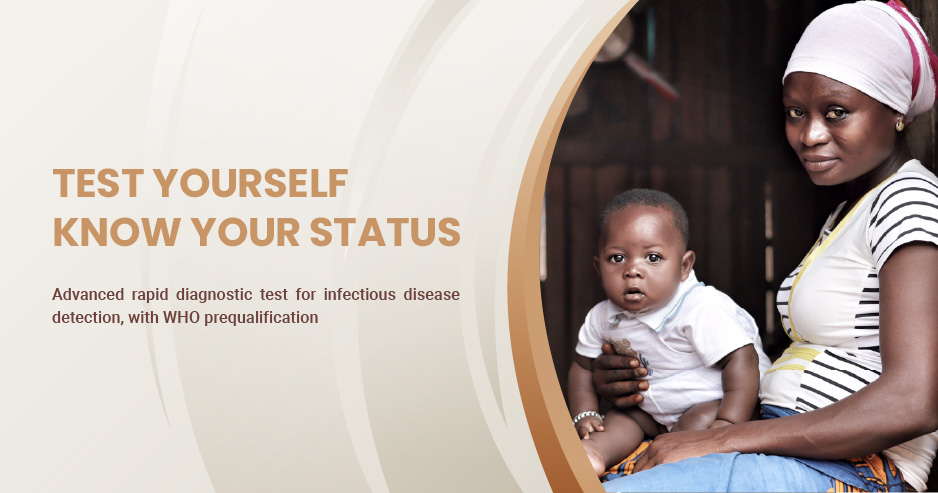 Advanced rapid diagnostic test with WHO prequalification for infectious disease
 The Future Intelligent Medical Assistant to Healthcare
 Fight against the pandemic through continuous innovation



 Request


