Thyroid testing is an established part of clinical laboratory services, supporting the assessment of thyroid function and related disorders. Routine testing often focuses on thyroid-stimulating hormone and thyroid hormone levels, while antibody assays and other thyroid-related markers extend the range of clinical investigations. For laboratories, an effective testing service depends on a suitable assay menu, reliable analytical performance, and an efficient workflow. These factors also shape decisions about automated testing platforms, particularly as laboratories seek to manage diverse testing requirements alongside daily sample volumes.
A Comprehensive Thyroid Testing Menu for Diverse Clinical Requirements
A thyroid testing menu typically covers several groups of markers, each serving a different diagnostic purpose. The combination selected for a laboratory depends on its clinical services, referral patterns, and the requirements of the physicians it supports.
Routine Thyroid Function Tests
TSH, FT3, FT4, TT3, and TT4 form the core of routine thyroid function testing. TSH is commonly used as an initial screening marker when thyroid dysfunction is suspected. Its interpretation alongside FT4 helps assess whether thyroid hormone levels are consistent with normal function, hypothyroidism, or hyperthyroidism.
FT3 and TT3 provide additional information about triiodothyronine levels, while FT4 and TT4 measure free and total thyroxine, respectively. These markers can support further assessment when initial results or clinical findings indicate a need for additional investigation. A laboratory menu covering both free and total hormone measurements gives clinicians more options for evaluating different testing scenarios.
Thyroid Autoantibody Tests
Anti-TPO, Anti-Tg and TRAb support the investigation of autoimmune thyroid disorders. Anti-TPO and Anti-Tg are commonly associated with autoimmune thyroid conditions, including Hashimoto’s thyroiditis. Their detection can provide additional evidence when thyroid function results suggest an autoimmune cause.
TRAb is associated with the assessment of Graves’ disease, with each representing a distinct antibody-related marker. Their inclusion can extend a laboratory’s testing capability for patients requiring further investigation of suspected autoimmune hyperthyroidism.
Additional Thyroid-Related Tests
Other markers serve more specific clinical purposes. Thyroglobulin (Tg) can contribute to the assessment of certain thyroid conditions and the follow-up of differentiated thyroid cancer. Calcitonin (CT) is relevant to the evaluation of medullary thyroid cancer. T-Uptake and thyroxine-binding globulin (TBG) provide information related to thyroid hormone-binding status, while reverse T3 (rT3) may be used in selected clinical contexts.
These tests do not all belong to routine screening panels. Their value lies in supporting particular diagnostic or monitoring requirements. For laboratory managers, reviewing the intended clinical applications and actual demand for each assay helps determine which markers need to be available in-house and which can be referred to another laboratory.
Analytical Performance and Quality Assurance in Thyroid Testing
Reliable thyroid testing depends on consistent analytical performance across different concentration levels and testing conditions. For clinical laboratories, assay precision, analytical sensitivity, measuring range, and result consistency are important factors when evaluating test methods and maintaining confidence in reported results.
Key Analytical Performance Characteristics
Precision is particularly important when monitoring changes in thyroid hormone levels over time. An assay with good repeatability and reproducibility helps laboratories distinguish meaningful changes from analytical variation. Analytical sensitivity also deserves attention, especially for TSH testing, where low concentrations may be relevant to the assessment of primary hyperthyroidism and secondary hypothyroidism.
The measuring range should cover the concentrations commonly encountered in clinical practice. Laboratories can also evaluate whether automatic dilution and remeasurement are available for samples exceeding the assay's linearity range. Potential interference from factors such as heterophilic antibodies, biotin, or other sample-related substances should be considered according to the assay specifications and validation data.
Quality Control and Result Consistency
Internal quality control (IQC) helps laboratories monitor assay performance during routine operation. Running appropriate control materials at defined intervals allows technicians to identify unexpected shifts or increased variation before reporting patient results. Calibration procedures and reagent lot-to-lot consistency also contribute to reliable long-term performance.
For laboratories operating multiple testing platforms or processing samples across different shifts, consistent quality control procedures are especially important. Reviewing QC trends, investigating out-of-range results, and documenting corrective actions can help maintain dependable thyroid testing services. Assay-specific validation and ongoing performance monitoring provide the basis for assessing whether a testing system continues to meet laboratory requirements.
Improving Thyroid Testing Workflow and Laboratory Efficiency
An efficient thyroid testing workflow helps laboratories manage routine screening, follow-up testing, and urgent requests within available staffing and instrument capacity. As sample volumes and test requirements vary throughout the day, instrument throughput, turnaround time, and automation features all influence daily operational efficiency.
Testing Throughput and Turnaround Time
Testing throughput determines how effectively a laboratory can process its daily workload, particularly when thyroid assays are part of a broader immunoassay menu. Laboratories with high sample volumes may prioritize systems that support continuous sample loading and minimize interruptions between batches.
Turnaround time (TAT) is another important consideration. Rapid access to initial results can support timely clinical decisions, especially for urgent cases. A STAT function allows priority samples to be processed alongside routine workloads, helping laboratories respond to time-sensitive requests without disrupting the entire testing schedule. The first-result time and overall throughput are useful indicators when assessing whether an analyzer matches the laboratory's service requirements.
Automation and Laboratory Information Management
Automation can reduce manual handling throughout the testing process. Features such as automatic barcode identification, primary tube sampling, automatic dilution, and automatic rerun help simplify routine operations and reduce repetitive technician involvement. Continuous loading and offloading of samples and reagents can also support more flexible workflow management.
LIS connectivity is equally important for laboratories seeking consistent data management. Bidirectional communication supports the exchange of test orders and results between the analyzer and laboratory information system, reducing manual data entry and helping maintain traceability. When evaluating an automated thyroid testing platform, laboratories can assess how these functions fit existing sample identification, result review, and reporting procedures.
Key Considerations When Selecting a Thyroid Analyzer
Selecting a thyroid analyzer involves assessing its technical capabilities, compatibility with laboratory requirements, and long-term operating costs. A structured evaluation helps laboratories identify a system that can support current testing demand while accommodating changes in workload and service scope.
Test Menu Compatibility and Clinical Demand
The available assay menu is a primary selection criterion. Laboratories can review whether the analyzer supports the thyroid function tests and antibody assays required by their clinical services, including TSH, FT3, FT4, TT3, TT4, Anti-TPO, and Anti-Tg. Additional markers such as Tg or TRAb may also be relevant depending on local testing demand.
It is also important to distinguish between assays currently available and those still under development. Laboratories can verify each assay's sample requirements, measuring range, test time, and analytical performance against their intended applications.
Throughput and Space Requirements
Instrument throughput should correspond to the laboratory's average daily workload and peak testing demand. Sample capacity, reagent positions, STAT capability, and continuous loading functions can further influence operational flexibility. Physical dimensions, weight, power requirements, and installation conditions also need to be checked against the available laboratory space.
Long-Term Operation and Technical Support
Beyond initial purchase specifications, laboratories can evaluate reagent storage conditions, consumable requirements, maintenance procedures, and the availability of technical support. LIS compatibility and data management functions are relevant to integration with existing laboratory systems. Reagent supply stability, service response, training, and warranty terms also contribute to the total cost of ownership and long-term instrument availability.
Wondfo FC-2100: An Automated Platform for Thyroid Testing
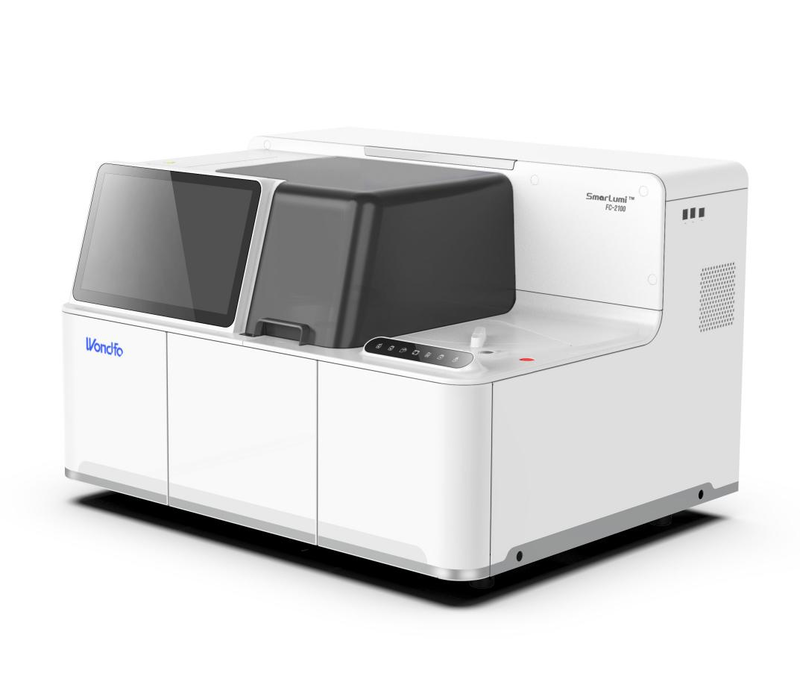
The SmarLumi FC-2100 Automatic Chemiluminescence Immunoassay Analyzer combines a thyroid assay menu with automated sample and reagent management. Its CLIA-based thyroid testing menu includes eight assays: TSH, FT3, FT4, TT3, TT4, Anti-TPO, Anti-Tg, and Tg. This covers routine thyroid hormone measurements as well as key antibody tests and thyroglobulin testing, supporting laboratories that need to handle different thyroid-related testing requirements on one platform.
Thyroid Assay Coverage and Test Specifications
The FC-2100 thyroid test portfolio provides defined sample volumes, test times, and measuring ranges for each assay. All eight assays listed in the product-specific thyroid brochure accept serum or plasma samples. Sample volumes range from 10 to 20 μL, while individual test times range from 17 to 26 minutes.
| Assay |
Sample Volume |
Test Time |
Measuring Range |
| TSH |
15 μL |
25 min |
0.005–100 μIU/mL |
| FT3 |
20 μL |
26 min |
0.4–50 pmol/L |
| FT4 |
15 μL |
21 min |
0.5–100 pmol/L |
| TT3 |
20 μL |
26 min |
0.3–10 nmol/L |
| TT4 |
10 μL |
17 min |
5.4–320 nmol/L |
| Anti-TPO |
10 μL |
21 min |
1.00–1000.00 IU/mL |
| Tg |
20 μL |
17 min |
0.10–500.00 ng/mL |
| Anti-Tg |
10 μL |
20 min |
0.90–2500 IU/mL |
These specifications allow laboratory teams to review assay-specific requirements when planning their thyroid testing services.
Automated Operation for Routine Laboratory Workloads
The FC-2100 has a throughput of up to 200 tests per hour and a first-result time of less than 12 minutes. It accommodates 60 samples and 25 reagent positions, with on-board reagent refrigeration maintained at 2–8°C. Batch and STAT modes support routine sample processing and priority testing within the same system.
Automation features include primary tube sampling, automatic barcode identification, automatic dilution, and automatic rerun. Continuous loading and offloading of samples and reagents help maintain workflow flexibility. The analyzer also supports bidirectional LIS communication and stores at least 60,000 results, facilitating integration with laboratory data management processes.
With dimensions of 900 × 710 × 590 mm and a footprint of approximately 0.64 m², the FC-2100 combines a compact installation requirement with its stated testing capacity. These specifications make it a platform for laboratories assessing thyroid assay coverage, automated operation, and space utilization together.
Frequently Asked Questions About Thyroid Testing
1. Which thyroid tests are included in a standard thyroid function panel?
A routine panel commonly includes TSH and FT4. FT3, TT3, and TT4 may be added based on clinical requirements. Antibody tests such as Anti-TPO and Anti-Tg support further investigation of autoimmune thyroid disorders.
2. When are thyroid antibody tests such as Anti-TPO and TRAb required?
Anti-TPO and Anti-Tg help investigate suspected autoimmune thyroid conditions. TRAb testing can support the assessment of Graves’ disease. Test selection depends on clinical findings and the diagnostic question.
3. What is the difference between FT3/FT4 and TT3/TT4?
FT3 and FT4 measure the unbound thyroid hormones available to tissues, while TT3 and TT4 measure both bound and unbound hormones in circulation. Both types of measurements can provide complementary clinical information.
4. How does chemiluminescence immunoassay support thyroid testing in clinical laboratories?
Chemiluminescence immunoassay (CLIA) enables automated measurement of thyroid-related markers. Automated platforms can combine multiple assays with sample handling, result processing, and laboratory information system connectivity.
5. What factors affect the selection of an automated thyroid analyzer?
Key factors include assay menu coverage, analytical performance, throughput, turnaround time, sample and reagent capacity, automation features, laboratory space, LIS compatibility, and long-term operating costs.



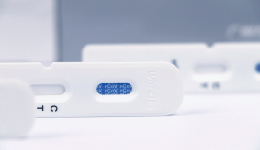 The first developed technology platform with various application scenarios, including infectious disease, fertility, DOA, etc.
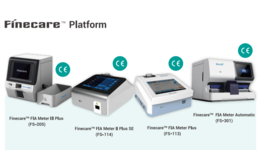 50+ kinds of reagents and five high-performance devices, focusing on detecting cardiovascular disease, inflammation, kidney injury, sex hormones, thyroid function, diabetes, tumor, and others.
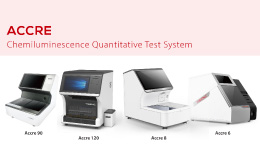 Single-dose Chemiluminescense Immunoassay Platform
 Wondfo optical blood coagulation analyzer is the first one in the world that can test PT, APTT, TT, FIB, and ACT simultaneously.
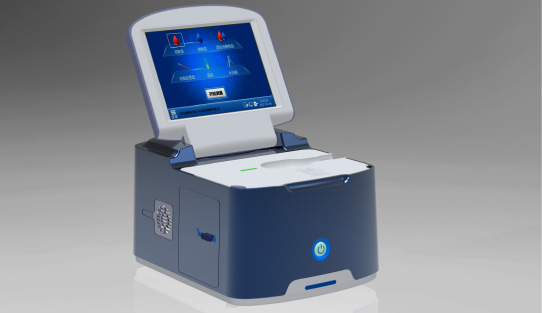 Our Blood Gas Analyzer BGA-102 can produce the result in 30s. Its advantages of portability, easy operation, durability, and high performance make it ideal for clinics, laboratories, and hospitals.
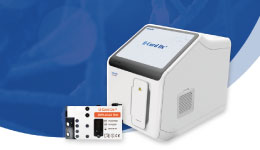 Ready-to-use lyophilized RT-PCR Reagent;
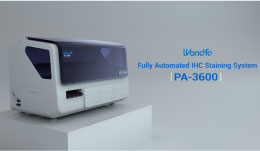 Wondfo PA-3600 IHC Staining System
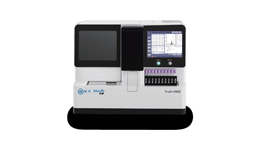 The Wondfo Truth-H80E HPLC Hemoglobin Analyzer is a high-performance diagnostic device designed for rapid and precise measurement of glycosylated hemoglobin (HbA1c)—the gold standard for diabetes diagnosis.It support the standard mode and variant mode and provide the result within 60-90seconds.
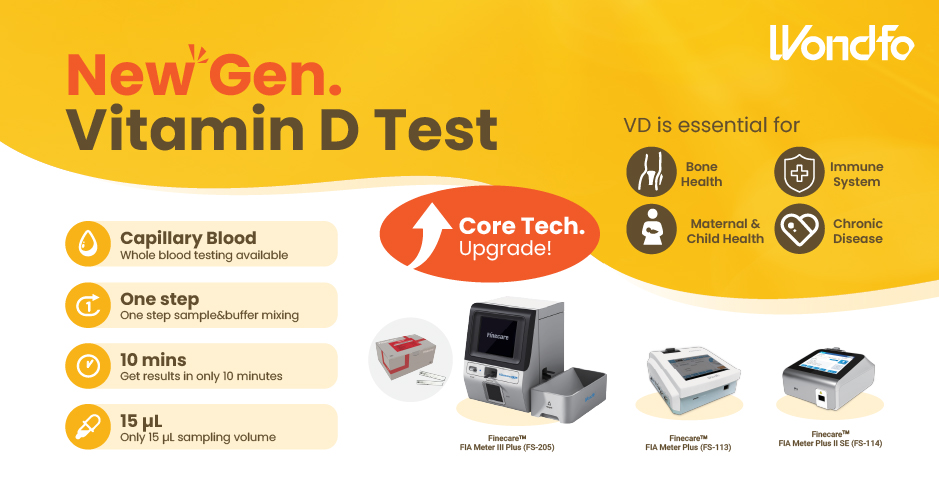 Finecare™ Vitamin D, from complexity to simplicity
 Building A World Free from Antibitoic Overuse
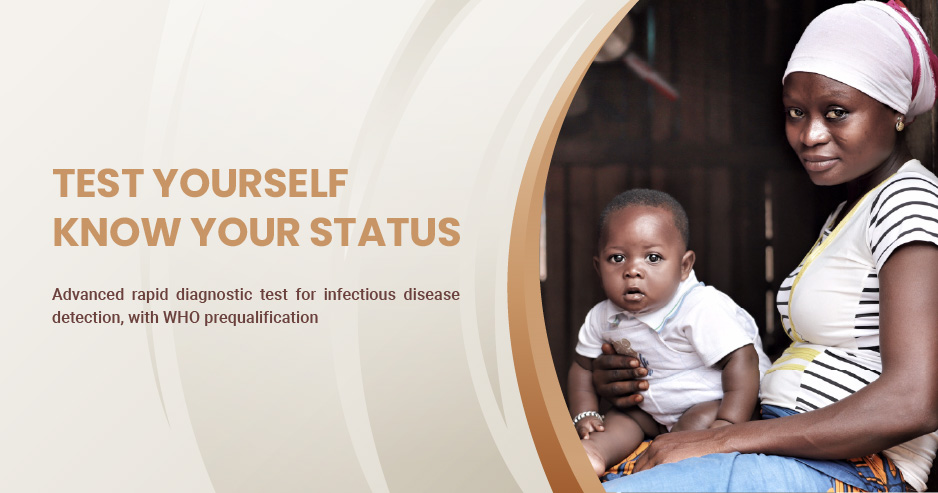 Advanced rapid diagnostic test with WHO prequalification for infectious disease
 The Future Intelligent Medical Assistant to Healthcare
 Fight against the pandemic through continuous innovation



 Request


