A vitamin D test kit helps measure vitamin D status, providing information that healthcare professionals can use when investigating a possible deficiency or a related bone condition. Its contribution to bone health begins with answering a specific clinical question.
For patients, understanding what the test measures can make conversations about testing more useful. For clinics and laboratories, choosing a suitable assay also involves reviewing its analytical performance, sample requirements, and compatible equipment.
Wondfo's Finecare™ Vitamin D Rapid Quantitative Test pairs with the Finecare™ FIA Meter III Plus (FS-205) to provide quantitative vitamin D testing for clinical workflows.
Why Vitamin D Matters for Bone Health
Vitamin D helps the body use calcium and maintain the mineral balance needed for healthy bones. Its role extends from childhood bone development to the ongoing renewal of bone tissue throughout adulthood.
Three functions explain this connection:
· Calcium absorption: Vitamin D helps the intestine absorb calcium from food, making this mineral available to the body.
· Bone mineralization: It supports the calcium and phosphate balance needed for bone tissue to mineralize properly.
· Bone turnover: By maintaining calcium and phosphate balance, and by limiting the secondary rise in parathyroid hormone that deficiency triggers, vitamin D influences the balance between bone resorption and bone formation.
Severe vitamin D deficiency can disrupt mineralization, causing rickets in children or osteomalacia in adults.
When a healthcare professional suspects a deficiency or a related bone condition, checking vitamin D status can add useful information to the assessment. This makes understanding how vitamin D is tested a practical next step.
How Is Vitamin D Tested?
Vitamin D status is usually assessed through a blood test that measures 25-hydroxyvitamin D, commonly written as 25(OH)D. A quantitative vitamin D test kit measures its concentration, providing a numerical result for clinical interpretation.
What Does a Vitamin D Test Kit Measure?
Understanding the terminology helps explain what the result represents:
|
Term
|
What It Means
|
|
25(OH)D
|
The main blood marker used to assess vitamin D status
|
|
Total 25(OH)D
|
The combined concentration of 25(OH)D₂ and 25(OH)D₃. Assays that detect only 25(OH)D₃ can underestimate vitamin D status in patients taking ergocalciferol (vitamin D₂) supplements, because 25(OH)D₂ is not detected.
|
|
Quantitative result
|
A calibrated concentration with defined units, reported across a validated measuring range. Unlike a semi-quantitative result, which returns only a band or grade, a quantitative result can be trended, compared across instruments, and checked against a reference method.
|
The active form, 1,25-dihydroxyvitamin D, has different clinical uses and is generally not the routine marker for checking vitamin D status. In advanced chronic kidney disease, impaired 1α-hydroxylation affects both markers, and the choice of assay and the interpretation of each should follow the individual clinical situation.
A test kit supplies the reagents needed to measure the target marker. In an analyzer-based system, the compatible instrument reads the test response and calculates the concentration.
How Does Quantitative Vitamin D Testing Work?
For the Finecare™ Vitamin D Rapid Quantitative Test, the workflow follows four main stages:
1. Collect the sample. Use an accepted specimen type. Use a specimen type permitted by the instructions for use registered in your market. Whole blood, serum and plasma are listed in the product documentation.
2. Mix with the buffer. Prepare the sample according to the applicable instructions for use.
3. Load the test cartridge. Transfer the prepared mixture into the cartridge as directed.
4. Read the result. A compatible Finecare™ analyzer measures the fluorescence response and reports a numerical value.
Sample volumes, reaction times, and handling requirements are product-specific. The applicable instructions for use should guide testing.
The resulting value provides information about vitamin D status. Decision thresholds differ between guidelines and between laboratories, so the reference interval published by the local laboratory and the instructions for use should be applied when interpreting a result. Whether testing is needed—and how the result should be used—depends on the clinical question.
When Should Vitamin D Testing Be Considered?
Vitamin D testing is most useful when it addresses a specific clinical question. A healthcare professional may consider it in the following situations:
· Investigating bone pain or muscle weakness. These symptoms have several possible causes. Testing may help determine whether vitamin D deficiency contributes to the clinical picture.
· Evaluating a bone condition. Low bone density, osteoporosis, suspected osteomalacia, or signs of rickets may prompt a clinician to assess vitamin D status alongside other findings.
· Assessing conditions that affect vitamin D availability. Nutrient malabsorption, previous weight-loss surgery, and certain kidney or liver disorders may influence the decision to test.
· Monitoring an identified deficiency. During treatment, a clinician may request another measurement to assess the response and decide whether further management is needed.
Limited sun exposure, diet, and medicines that affect vitamin D levels can also inform the discussion. A risk factor alone does not automatically establish a need for testing. Note that 25(OH)D reflects recent intake and body stores rather than current sun exposure, so it is not a measure of how much sunshine a patient has had. A risk factor alone does not automatically establish a need for testing.
How Rapid Vitamin D Testing Supports Clinical Workflows
Once vitamin D testing has been requested, the next practical question is how to fit it into the care process. Rapid quantitative testing can help clinics and laboratories organize the path from sample collection to clinical review.
Three workflow considerations matter:
· Making measurements available sooner. A shorter analytical turnaround can help staff coordinate testing with a planned consultation or assessment. Whether the result is available during the same visit depends on sample preparation, instrument availability, and the facility's reporting process.
· Matching testing to daily operations. Accepted specimen types, preparation requirements, and analyzer capacity influence how testing fits into the working day. Facilities should assess these requirements against staffing, sample volume, and existing equipment before introducing a vitamin D test kit.
· Connecting testing with documentation. Printed reports and compatible electronic connections can support the transfer of measurements into patient records. Clear sample identification, report review, and an assigned clinician help connect the measurement with the next stage of care.
For bone health services, these considerations help determine how vitamin D testing can be incorporated into an established assessment pathway. The advertised reaction time is one part of the process; the complete turnaround also includes collection, preparation, and reporting.
How to Evaluate the Reliability of a Vitamin D Test Kit
A quantitative result is useful only when the measurement is sufficiently reliable for its intended purpose. Healthcare facilities should review the evidence for the specific assay and analyzer combination they plan to use.
The following questions provide a practical starting point:
|
Evaluation Area
|
What to Look For
|
|
Precision
|
How consistent are repeated measurements, including across different runs and concentration levels?
|
|
Method comparison
|
How do measurements compare with an appropriate reference or established laboratory method? Review agreement and bias, alongside correlation.
|
|
Calibration and traceability
|
How are measurements calibrated, and what evidence connects them to recognized reference materials or procedures?
|
|
Quality control
|
What controls, acceptance criteria, and procedures are specified for monitoring routine performance?
|
Also check the validated measuring range, accepted specimen types, and documented interferences. These details define the conditions under which the manufacturer's performance claims apply.
A correlation figure alone does not describe every aspect of analytical performance. Request the supporting study details and applicable instructions for use before making a purchasing decision.
For vitamin D testing, standardization is particularly relevant because differences between assays can affect reported concentrations. Reviewing both validation evidence and ongoing quality procedures helps facilities assess whether a test kit fits their clinical and laboratory requirements.
How Wondfo Supports Rapid Vitamin D Testing
Wondfo's Bone Metabolism portfolio includes the Finecare™ Vitamin D Rapid Quantitative Test and compatible Finecare™ analyzers. Together, they provide an assay-and-instrument option for facilities evaluating quantitative vitamin D testing.
Finecare™ Vitamin D Rapid Quantitative Test
Wondfo Finecare™ Vitamin D Rapid Quantitative Test uses fluorescence immunoassay technology to measure total 25(OH)D₂/D₃. It is intended to aid the diagnosis of vitamin D deficiency.
|
Feature
|
Specification
|
|
Accepted specimens
|
Whole blood, serum, or plasma
|
|
Sample volume
|
15 μL
|
|
Loading volume
|
75 μL of prepared mixture / 4 drops
|
|
Reaction time
|
10 minutes
|
|
Measuring range
|
5.0–100 ng/mL
|
|
Storage temperature
|
4–30°C
|
|
Shelf life
|
24 months at 4–30°C (room-temperature storage)
|
|
Preparation
|
One-step sample-and-buffer mixing
|
The distinction between sample volume and loading volume matters: the collected specimen is mixed with buffer before the prepared mixture is applied to the cartridge.
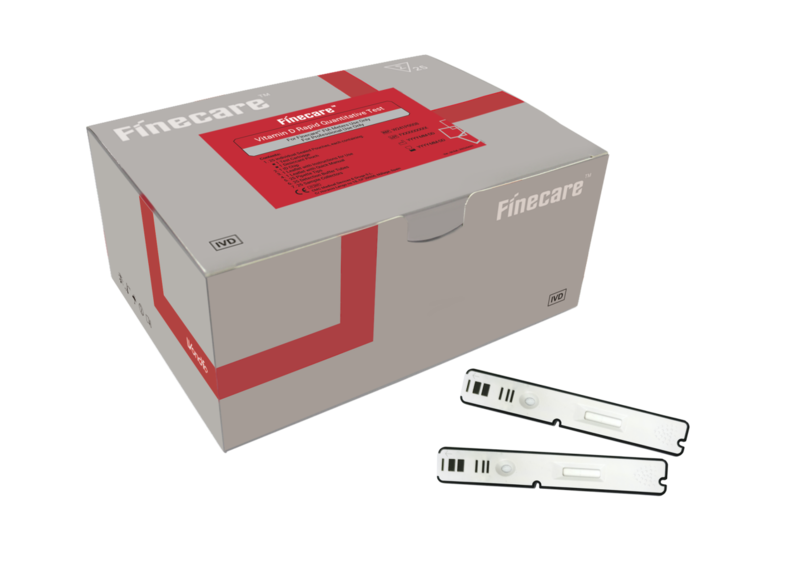
Vitamin D Rapid Quantitative Test
Finecare™ FIA Meter III Plus (FS-205)
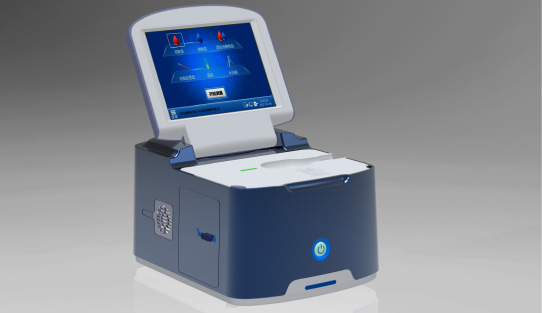
Wondfo Finecare™ FIA Meter III Plus (FS-205) is a semi-automated fluorescence analyzing system listed among the instruments supporting Wondfo's Vitamin D assay. It suits facilities that need a compact system with parallel capacity and built-in reporting. Facilities requiring higher automation, dedicated STAT handling or a larger sample capacity should compare the fully automatic Finecare™ FIA Analyzer, which is described separately.
Its features address several practical requirements:
· 20 channels: Provide capacity to organize multiple tests within the platform's operating requirements.
· Temperature control: Supports controlled reaction conditions during testing.
· Built-in printer: Enables printed reports for documentation and review.
· LIS/HIS connectivity: Supports electronic information exchange when appropriately configured.
Facilities should assess the proposed assay configuration against their expected workload, staffing, and reporting needs.
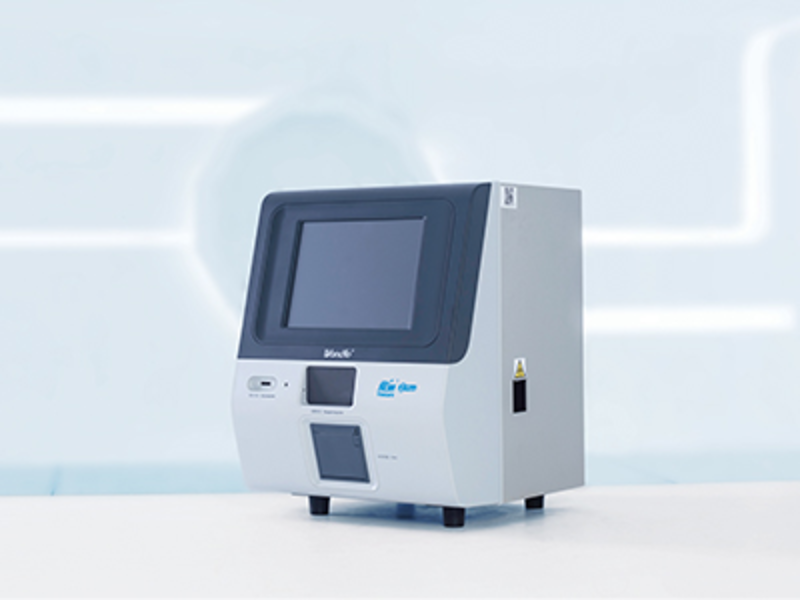
Finecare™ FIA Meter III Plus (FS-205)
Discuss Your Testing Requirements
When evaluating a vitamin D test kit and analyzer, share your facility type, expected testing volume, and connectivity requirements with Wondfo. Ask for the applicable product documentation, performance information, and availability for your location.
Before adopting the assay, confirm which kit version and analyzer configuration the quotation covers, along with training, quality-control materials, and service arrangements. When comparing configurations, consider the total cost per reportable patient result — including cartridges, controls, consumables, interface, training and downtime — rather than the analyzer price or the number of cartridges purchased. This gives the facility a clearer basis for comparing the proposed package with its operational needs.
Contact Wondfo to request product information and a quotation for your facility.



 The first developed technology platform with various application scenarios, including infectious disease, fertility, DOA, etc.
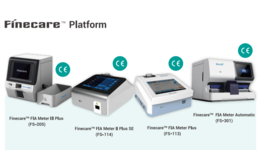 50+ kinds of reagents and five high-performance devices, focusing on detecting cardiovascular disease, inflammation, kidney injury, sex hormones, thyroid function, diabetes, tumor, and others.
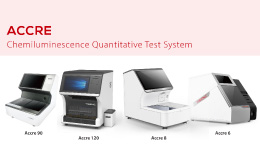 Single-dose Chemiluminescense Immunoassay Platform
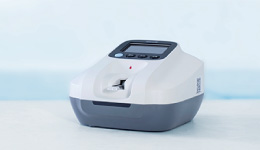 Wondfo optical blood coagulation analyzer is the first one in the world that can test PT, APTT, TT, FIB, and ACT simultaneously.
 Our Blood Gas Analyzer BGA-102 can produce the result in 30s. Its advantages of portability, easy operation, durability, and high performance make it ideal for clinics, laboratories, and hospitals.
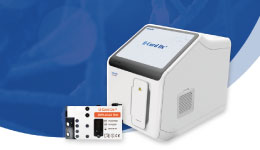 Ready-to-use lyophilized RT-PCR Reagent;
 Wondfo PA-3600 IHC Staining System
 The Wondfo Truth-H80E HPLC Hemoglobin Analyzer is a high-performance diagnostic device designed for rapid and precise measurement of glycosylated hemoglobin (HbA1c)—the gold standard for diabetes diagnosis.It support the standard mode and variant mode and provide the result within 60-90seconds.
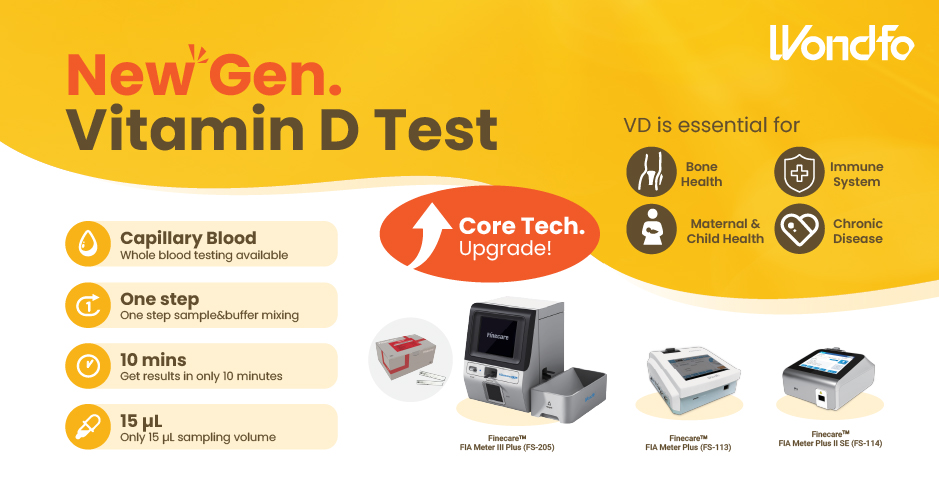 Finecare™ Vitamin D, from complexity to simplicity
 Building A World Free from Antibitoic Overuse
 Advanced rapid diagnostic test with WHO prequalification for infectious disease
 The Future Intelligent Medical Assistant to Healthcare
 Fight against the pandemic through continuous innovation



 Request


