Small and mid-sized laboratories may need to offer specialized immunoassays even when the volume of each test is low or unpredictable. Running these assays on a conventional CLIA platform can result in underused reagents and higher operating costs. Outsourcing may avoid internal complexity, but it can increase fees and turnaround time.
A practical solution is to assign each assay to the right testing pathway:
· Keep high-volume routine assays on the existing CLIA platform;
· Evaluate mono-test CLIA for selected low-volume or high-value assays;
· Bring suitable high-cost send-out tests in-house;
· Continue outsourcing tests that are not economical or practical to perform internally.
1.Low-Volume CLIA Testing Can Be Costly
A laboratory may have sufficient overall testing demand while processing only a few samples for certain specialized immunoassays. An existing analyzer may work efficiently for routine tests but be less economical for assays with low or irregular demand.
Three common problems can result:
|
Cost challenge
|
Potential impact
|
|
Low reagent utilization
|
Opened reagents may not be fully used before reaching their onboard stability or expiration limit.
|
|
Calibration and QC requirements
|
Fixed testing costs are distributed among fewer patient results.
|
|
Dependence on outsourcing
|
Laboratories may face higher fees, additional handling, and longer turnaround times.
|
Traditional CLIA systems are not inherently inefficient. They may remain the best option for high-volume, predictable testing. Problems arise when the same batch-oriented workflow is applied to every assay, regardless of actual demand.
Outsourcing is also appropriate for extremely low-volume or operationally complex tests. However, recurring send-out assays may limit a laboratory’s ability to control turnaround time, retain high-value tests, and expand its in-house immunoassay menu.
The key question is not simply which analyzer has the lowest reagent price. It is which testing pathway can produce a reliable result at an appropriate total cost for each assay.
2. Why Does Low-Volume Immunoassay Testing Cost More?
Reagent price alone does not reflect the full cost of producing a reliable patient result. When an assay is performed infrequently, reagent, quality-control, labor, and operating costs are distributed across fewer tests.
Key Cost Drivers in Low-Volume Testing
|
Cost driver
|
How it affects the laboratory
|
|
Underused reagents
|
Reagent packs may be opened for only a few samples, leaving unused tests when reagents reach their onboard stability or expiration limit.
|
|
Calibration and quality control
|
Calibration and QC may still be required even when only a small number of patient samples are tested.
|
|
Repeat testing and operating workload
|
Repeats, instrument preparation, maintenance, documentation, and operator time add costs beyond reagent price.
|
|
Outsourcing and logistics
|
Send-out testing may involve referral fees, preparation, packaging, transportation, administrative work, and longer turnaround times.
|
Another common issue is evaluating only total laboratory workload. A laboratory may process many routine samples while running individual specialized assays at very low volumes.
Each assay should therefore be assessed according to its testing frequency, reagent utilization, operating requirements, and outsourcing cost. In many situations, high costs are caused by a mismatch between assay demand and the selected testing workflow.
3. How to Reduce Low-Volume CLIA Testing Costs
Cost optimization should begin with the assay menu, not with an immediate decision to purchase or replace an analyzer.
Step 1: Review Each Assay Separately
Use recent laboratory data to evaluate:
· Monthly test volume and frequency;
· Reagent utilization and expired materials;
· Calibration and QC requirements;
· Repeat-test frequency;
· Current turnaround time;
· Number and cost of outsourced tests.
Total laboratory volume can hide the fact that individual specialized assays are ordered only a few times per week or month.
Step 2: Assign Each Assay to a Suitable Testing Pathway
A practical approach is to divide the assay menu into three groups:
|
Assay profile
|
Testing pathway to consider
|
|
High-volume, predictable routine assays
|
Keep on the existing CLIA platform
|
|
Low-volume, irregular, high-value, or time-sensitive assays
|
Evaluate a flexible mono-test CLIA workflow
|
|
Extremely low-volume or operationally complex assays
|
Continue outsourcing
|
Final decisions should also consider assay availability, quality requirements, operator training, local regulations, and service support.
Step 3: Review Recurring Send-Out Tests
Not every outsourced test should be brought in-house. Priority candidates usually combine:
· Recurring testing demand;
· Relatively high outsourcing fees;
· Long or inconvenient turnaround times;
· Availability on a suitable internal platform;
· Manageable QC and operating requirements.
Tests with very limited demand or complex processing requirements may remain more economical to outsource.
Step 4: Choose a CLIA Analyzer That Matches Actual Workload
The highest-throughput analyzer is not always the most economical choice for a small or mid-sized laboratory.
When comparing CLIA analyzers, consider:
· Actual volume by assay;
· Batch processing versus single-test flexibility;
· Available assay menu;
· Reagent pack size and onboard stability;
· Calibration and QC requirements;
· Turnaround time and throughput;
· Automation and operator workload;
· Instrument footprint;
· Service and reagent availability;
· Regulatory status in the target market.
A suitable immunoassay analyzer for a small lab should provide enough capacity for current demand while limiting unnecessary reagent use and allowing reasonable menu growth.
Step 5: Build a Hybrid Immunoassay Workflow
A practical solution may combine different testing pathways:
Keep high-volume routine assays on the existing analyzer, use a flexible mono-test workflow for selected low-volume assays, and outsource only tests that are not practical to perform internally.
This approach optimizes selected parts of the workflow without replacing a system that already performs routine testing efficiently.
4. Wondfo ACCRE Series Automatic Chemiluminescence Immunoassay Analyzers
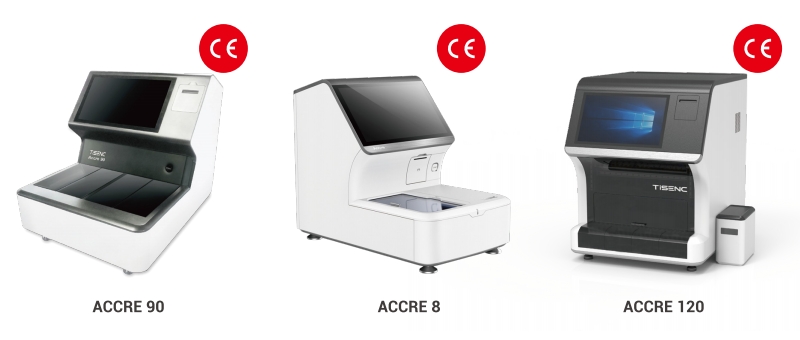
Wondfo chemiluminescence platform includes the ACCRE 8, ACCRE 90, and ACCRE 120 automatic chemiluminescence immunoassay analyzers.
ACCRE series Automatic Chemiluminescence Immunoassay Analyzers combines automated CLIA testing with a single-dose reagent format. Laboratories can select an analyzer configuration according to test volume, assay menu, automation requirements, and expected growth.
Key Features of the ACCRE Series
· Single-dose reagent cartridges: Reagent use can be aligned more closely with the number of tests performed.
· Flexible test processing: Selected assays can be processed according to actual demand without relying on a large batch.
· No liquid path inside the analyzer: This design simplifies the internal fluid-handling structure.
· Automated operation: ACCRE series analyzers support automated chemiluminescence immunoassay testing.
· Multiple configuration options: ACCRE 8, ACCRE 90, and ACCRE 120 address different capacity and workflow requirements.
These characteristics make the ACCRE series relevant to laboratories processing selected low-volume, irregular, or high-value immunoassays alongside an existing routine testing workflow.
Using the ACCRE Series in a Hybrid CLIA Workflow
|
Testing requirement
|
Suggested workflow
|
|
High-volume routine assays
|
Existing traditional CLIA analyzer
|
|
Selected low-volume or irregular assays
|
Appropriate ACCRE series analyzer
|
|
Recurring, high-cost send-out assays
|
Evaluate transfer to an ACCRE workflow
|
|
Extremely low-volume or complex assays
|
Continue outsourcing
|
An appropriate ACCRE analyzer should be selected based on assay volume, required test menu, peak demand, operator workload, available space, and future expansion plans.
Customer Success Story: Cost Optimization in an Ecuador Private Laboratory
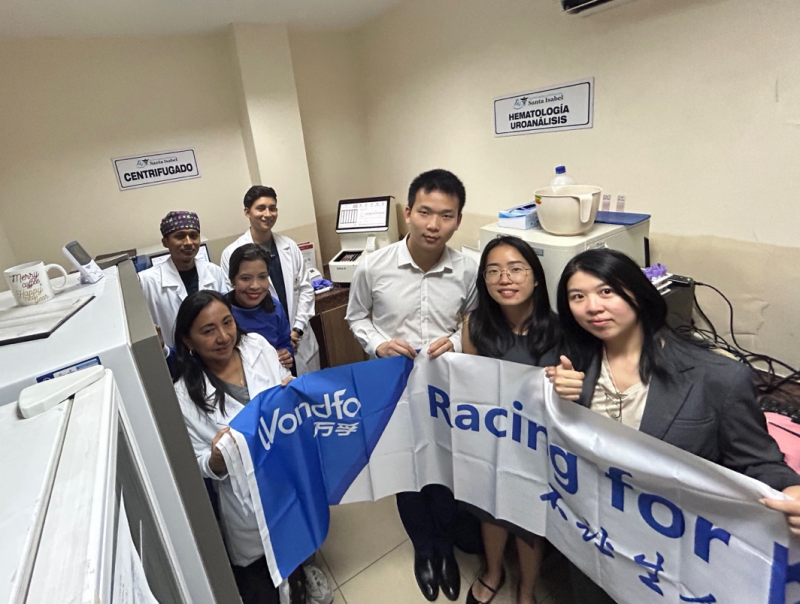
An Ecuador private laboratory faced high operating costs from two areas. Running low-volume assays on a traditional CLIA analyzer caused reagent waste, while outsourcing specialized immunoassays resulted in high send-out expenses.
Wondfo Approach
Wondfo introduced ACCRE 8 as a complementary analyzer alongside the existing CLIA system. Low-volume assays were redirected from conventional CLIA processing to ACCRE 8, while selected tests previously outsourced at high prices were brought in-house.
With its mono-test cartridge and flexible single-test format, ACCRE 8 helped align reagent use more closely with actual testing demand. Routine high-volume assays remained within their existing workflow, allowing each platform to focus on more suitable testing tasks.
Operational Impact
Following implementation, reagent waste from selected low-volume assays was reduced, reliance on costly send-out testing decreased, and more specialized tests remained within the laboratory. Improved assay allocation also enabled better use of existing testing resources.
This optimized workflow achieved approximately 20%–40% in cost savings for the laboratory.
Savings vary depending on test volume, assay mix, reagent utilization, outsourcing fees, QC requirements, and local operating conditions. Results should not be interpreted as a guaranteed level of savings for every laboratory.
5. Why Partner with Wondfo?
Founded in 1992, Wondfo focuses on the research, development, manufacturing, sales, and service of in vitro diagnostic products. Our diagnostic portfolio is built across nine technology platforms and serves customers in more than 150 countries and regions.
For laboratories evaluating low-volume immunoassay testing, we offer more than an individual analyzer. Our goal is to match testing capacity, assay demand, and workflow requirements with an appropriate diagnostic solution.
Wondfo Advantages
· A scalable CLIA portfolio: ACCRE 8, ACCRE 90, and ACCRE 120 provide multiple options for different testing and automation requirements.
· Flexible reagent design: Single-dose cartridges support on-demand processing of selected low-volume assays.
· Workflow-focused solutions: ACCRE series analyzers can complement an existing platform instead of requiring a complete workflow replacement.
· Global experience: Our international network supports laboratories and healthcare partners across diverse testing environments.
Request a CLIA Solution
To evaluate a suitable ACCRE Automatic Chemiluminescence Immunoassay Analyzers configuration, prepare:
· Monthly test volume by assay;
· Current analyzer and workflow;
· Low-volume and outsourced test menu;
· Required turnaround time;
· Expected menu or volume growth.
Our team can help assess which assays should remain on an existing platform, which may be suitable for an ACCRE series analyzer, and which may remain more practical to outsource.
Request a CLIA Workflow Assessment
Product availability, assay menus, and regulatory status vary by market. Contact Wondfo for information applicable to your laboratory.
6. FAQ
What should a small laboratory consider when choosing an immunoassay analyzer?
Evaluate volume by assay, test menu, reagent configuration, QC requirements, turnaround time, automation, available space, service support, and local regulatory status. Total laboratory volume should not be the only selection criterion.
Why can low-volume CLIA testing be expensive?
Low-volume assays may leave reagents underused while still requiring calibration, QC, labor, maintenance, and repeat testing. These expenses are distributed across fewer patient results.
Can a mono-test CLIA analyzer reduce reagent waste?
A mono-test format can help align reagent use with actual demand, especially for selected low-volume or irregular assays. Savings depend on assay frequency, current reagent utilization, and operating conditions.
How should a laboratory choose between ACCRE 8, ACCRE 90, and ACCRE 120?
Selection should reflect assay volume, test menu, peak workload, automation needs, available space, and expected growth. Contact Wondfo to confirm specifications, assay availability, and regulatory status for your market.
7. Conclusion
Reducing low-volume CLIA costs starts with matching each assay to a suitable testing pathway. High-volume routine tests may remain on an existing CLIA platform, selected low-volume or high-value assays can be evaluated for an ACCRE workflow, and operationally complex tests may continue to be outsourced.
Share your analyzer configuration, monthly assay volumes, and outsourced test menu with our team to evaluate a suitable solution.



 The first developed technology platform with various application scenarios, including infectious disease, fertility, DOA, etc.
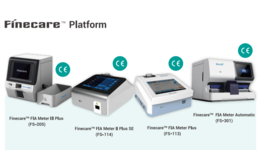 50+ kinds of reagents and five high-performance devices, focusing on detecting cardiovascular disease, inflammation, kidney injury, sex hormones, thyroid function, diabetes, tumor, and others.
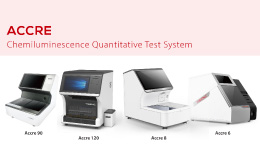 Single-dose Chemiluminescense Immunoassay Platform
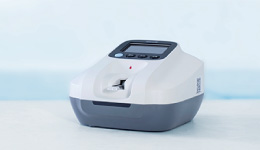 Wondfo optical blood coagulation analyzer is the first one in the world that can test PT, APTT, TT, FIB, and ACT simultaneously.
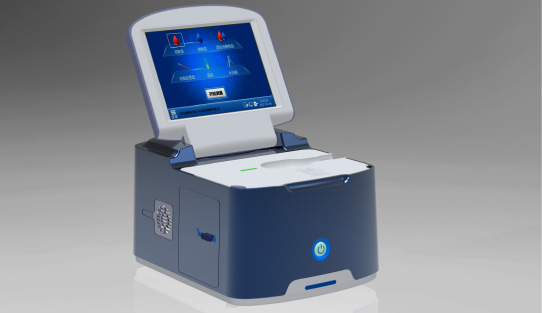 Our Blood Gas Analyzer BGA-102 can produce the result in 30s. Its advantages of portability, easy operation, durability, and high performance make it ideal for clinics, laboratories, and hospitals.
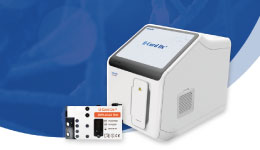 Ready-to-use lyophilized RT-PCR Reagent;
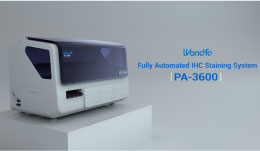 Wondfo PA-3600 IHC Staining System
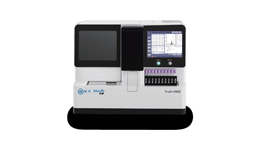 The Wondfo Truth-H80E HPLC Hemoglobin Analyzer is a high-performance diagnostic device designed for rapid and precise measurement of glycosylated hemoglobin (HbA1c)—the gold standard for diabetes diagnosis.It support the standard mode and variant mode and provide the result within 60-90seconds.
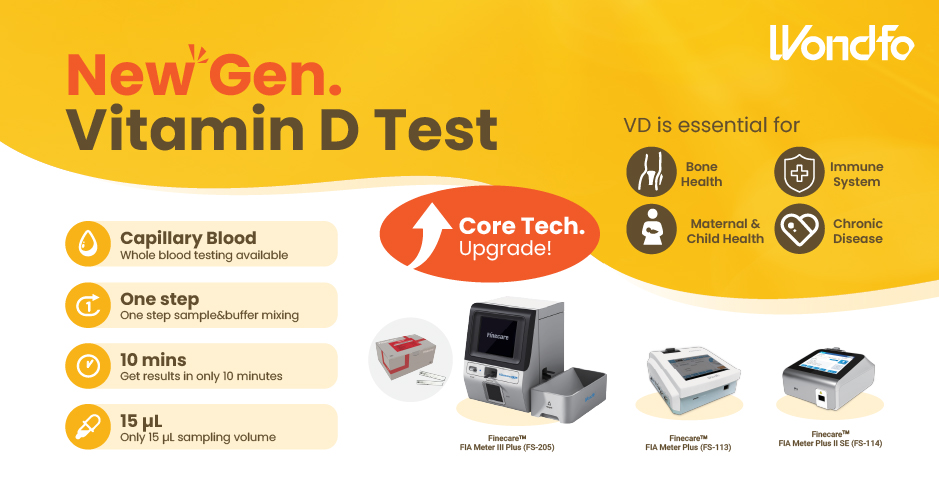 Finecare™ Vitamin D, from complexity to simplicity
 Building A World Free from Antibitoic Overuse
 Advanced rapid diagnostic test with WHO prequalification for infectious disease
 The Future Intelligent Medical Assistant to Healthcare
 Fight against the pandemic through continuous innovation



 Request


