Knowing your HIV status should be simple, private, and accessible. An HIV self-test makes that possible by allowing a person to collect a sample, perform the test, and read the result in a private setting.
Most HIV self-tests detect HIV antibodies in oral fluid or fingerstick blood. These antibodies take time to develop after exposure, so the timing of the test matters. A non-reactive result may be reassuring when the test is taken after the window period, while a reactive result should always be followed by confirmatory testing through a healthcare provider.
For individuals, HIV self-testing offers greater privacy and convenience. For healthcare organizations, community programs, and distributors, it can help expand access to HIV screening in settings where traditional testing is harder to reach.
Wondfo HIV Self-Test is a fingerstick whole blood HIV-1/2 self-test designed for simple operation, 15-minute results, and use without equipment.
What Is an HIV Self-Test?
An HIV self-test is a test that a person can use by themselves, usually at home or in another private setting. The user collects the sample, runs the test, waits for the required time, and reads the result according to the instructions for use.
Unlike a laboratory HIV test, an HIV self-test does not require a blood draw from a vein or laboratory equipment. It is designed to be simple enough for non-professional users, although some products can also be used by medical professionals in healthcare or community settings.
Wondfo HIV Self-Test is intended for fingerstick whole blood detection of HIV-1/2. It is a screening test, not a final diagnosis. A reactive result should always be followed by confirmatory testing through a healthcare provider or qualified testing service.
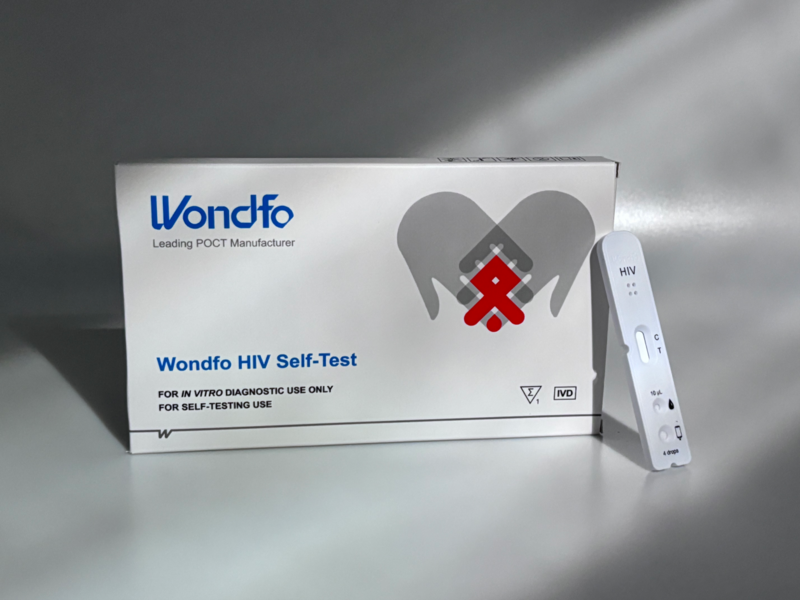 HIV Self-Test
Understanding the HIV Window Period
One of the most important factors affecting an HIV self-test result is when the test is taken. Most HIV self-tests detect antibodies produced by the body's immune system after HIV infection. These antibodies do not appear immediately, which is why every HIV test has a window period.
If a person takes an HIV self-test too soon after a possible exposure, the test may not detect enough antibodies even if infection is present. As a result, a non-reactive (negative) result may not completely rule out a recent infection.
For this reason, users should always consider the timing of possible exposure when interpreting their results. If testing occurs during the window period or there is ongoing concern about HIV exposure, repeat testing or consultation with a healthcare provider may be recommended.
A reactive (positive) self-test result is still considered a preliminary screening result and should always be confirmed through follow-up testing by a healthcare provider.
How to Use an HIV Self-Test Kit: Step by Step
Always follow the instructions included with the specific test kit. The steps below are a general guide and should not replace the product’s official instructions for use.
Step 1: Check the Kit
Before testing, check that:
- The package is sealed and undamaged
- The product has not expired
- All required components are included
- The test has been stored according to the manufacturer’s instructions
- You have enough time to complete the test and read the result correctly
Step 2: Prepare for Testing
Wash and dry your hands. Choose a clean, flat surface with good lighting. Read the instructions before opening the test components.
For healthcare or community programs, staff should make sure users understand the testing process, result interpretation, and follow-up pathway before testing begins.
Step 3: Collect the Sample
For a fingerstick blood test, the user pricks the fingertip and collects the required amount of blood.
With Wondfo HIV Self-Test, the sample type is fingerstick whole blood.
Step 4: Add the Sample and Buffer
The Wondfo HIV Self-Test includes a quantitative blood collection dropper designed to automatically collect the required 10 μL of fingertip blood for accurate sample volume control. Once the dropper has collected blood to the mark line, squeeze it to dispense all the blood into the specimen well. Then add of buffer into the buffer well as instructed.
The quantitative dropper helps simplify sample collection, but correct operation is still essential. Always allow the dropper to fill naturally without squeezing during collection, and ensure the blood reaches the mark line before dispensing. Correct sample collection and buffer addition are important for accurate results.
Step 5: Wait for the Result
Start timing after adding the sample and buffer. Read the result between 15 and 30 minutes. Do not interpret the result before 15 minutes or after 30 minutes, as this may lead to an inaccurate or invalid interpretation.
Step 6: Read the Result
Most HIV self-tests use line-based results. A control line shows whether the test has worked properly. A test line may appear if HIV antibodies are detected.
The exact result interpretation depends on the product. Users should always follow the test kit instructions.
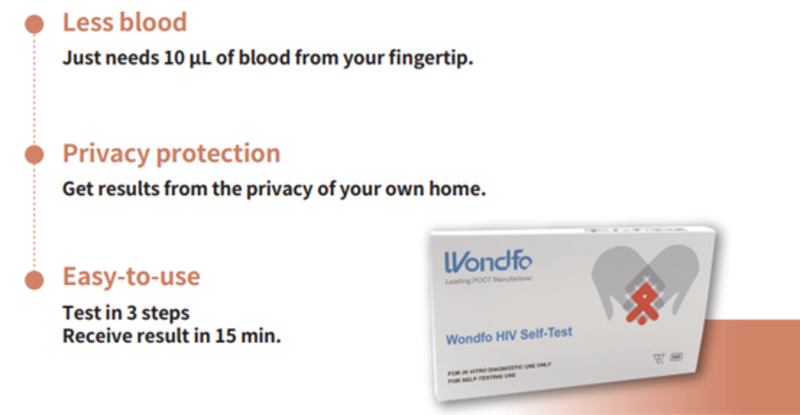 Wondfo HIV Self-Test
Fingerstick Blood Sample: Small Volume, User-Friendly Collection
Fingerstick blood is a widely used sample type for rapid diagnostic tests. It requires only a small blood sample collected from the fingertip and is familiar in healthcare, community testing, and public health programs.
The Wondfo HIV Self-Test is a single-use in vitro diagnostic self-test for detecting HIV-1/2 antibodies in fingerstick whole blood. Intended for self-testing and/or use by medical professionals, it delivers results in 15–30 minutes, requires no additional equipment, and uses only 10 μL of fingertip blood.
To support easy and consistent sample collection, the kit includes a quantitative blood collection dropper that automatically collects the required 10 μL blood volume when used correctly. This design helps improve sampling consistency while simplifying the testing process. Users should always follow the instructions for use to ensure correct sample collection and reliable results.
What Do HIV Self-Test Results Mean?
HIV self-test results are usually shown as lines on the test device. Before reading the result, always check the instructions for use and read the test only within the time window stated by the manufacturer. Reading too early or too late may lead to an incorrect interpretation.
Non-Reactive or Negative Result
A non-reactive result means the test did not detect HIV antibodies in the sample. For many users, this can be reassuring, especially if the test was taken after the window period and there has been no recent possible exposure.
However, a negative result does not always rule out a recent infection. The body needs time to produce detectable antibodies after exposure. If the possible exposure happened recently, another test may be needed later, or the user should seek advice from a healthcare provider.
Reactive or Positive Result
A reactive result means HIV antibodies may have been detected. It should be treated seriously, but it is not a final diagnosis.
The next step is to contact a healthcare provider, clinic, or qualified testing service for confirmatory testing. This is important because HIV self-tests are screening tests. A confirmed result allows the user to receive proper medical advice, care, and support as early as possible.
Invalid Result
An invalid result means the test did not work as expected. This may happen if the sample was not collected correctly, the buffer was not added properly, the kit was damaged, or the result was read outside the recommended time.
If the result is invalid, use a new test kit or visit a healthcare provider for testing.
With the Wondfo HIV Self-Test, results are available in as little as 15 minutes. For accurate interpretation, the test should be read between 15 and 30 minutes after the sample and buffer have been added. As with any HIV self-test, following the instructions carefully and reading the result within the recommended time window are essential for reliable results.
What Should Healthcare Buyers Look for in an HIV Self-Test?
Choosing an HIV self-test is not only about price. For medical organizations and procurement teams, the better question is: can this product be deployed safely, consistently, and at scale?
Here are the key points to evaluate.
1. Regulatory and Quality Credentials
Look for products with recognized regulatory qualifications or international procurement relevance. WHO prequalification can be an important signal for public health programs and international buyers.
2. Clear Sample Type and Use Case
Buyers should confirm whether the test uses oral fluid or fingerstick blood, and whether that format fits the target users.
3. Ease of Use
A self-test should be simple enough for the intended user group. Clear instructions, intuitive test components, minimal equipment needs, and easy result interpretation are important.
Wondfo HIV Self-Test is designed to be simple and convenient, with no equipment required.
4. Result Time
Fast results can improve user experience and support community screening workflows.
5. Storage and Shelf Life
Storage conditions affect logistics, especially in large-scale public health programs, low-resource settings, and multi-country distribution.
Wondfo HIV Self-Test is room-temperature stable at 2–30℃ and valid for 24 months.
6. Program Support and Supply Capability
For large orders, buyers should consider supply stability, documentation, training support, packaging options, registration support, and after-sales service.
The best HIV self-test supplier should not only provide a product. It should help testing programs run smoothly from procurement to deployment.
Wondfo HIV Self-Test: Built for Simple, Private, and Scalable HIV Screening
Wondfo HIV Self-Test is designed for fingerstick whole blood detection of HIV-1/2. It is a single-use in vitro diagnostic self-test intended for self-testing and/or use by medical professionals.
Key features include:
- Fingerstick whole blood sample
- HIV-1/2 detection
- 15-minute results
- No equipment required
- 2–30℃ storage
- 24-month validity
- WHO prequalified product documentation
For individuals, this means a private and straightforward way to screen for HIV.
For healthcare organizations, NGOs, public health programs, and distributors, it means a practical HIV self-test option for outreach, community testing, and scalable procurement programs.
Wondfo’s broader focus on point-of-care testing also supports the needs of healthcare systems looking for rapid, accessible diagnostic solutions across different care settings.
Conclusion
An HIV self-test lets a person collect a sample, run the test, and read the result privately. Most kits detect HIV antibodies in fingerstick blood, so timing matters because antibodies take time to appear after exposure. A non-reactive result is more reliable after the window period, while a reactive result needs confirmatory testing.
For programs and buyers, Wondfo HIV Self-Test adds a practical option with 15-minute results, simple operation, and no equipment required. For public health programs and healthcare buyers, Wondfo HIV Self-Test offers a practical option for scalable HIV screening, community outreach, and private self-testing programs.
FAQ
Q1. What is an HIV self-test?
A: An HIV self-test is a rapid screening test that allows a person to collect a sample, perform the test, and read the result privately. Most HIV self-tests use oral fluid or fingerstick blood to detect HIV antibodies.
Q2. How does an HIV self-test work?
A: An HIV self-test looks for antibodies the body produces after exposure to HIV. The sample is added to the test device, and the result is read within the time stated in the product instructions.
Q3. How long does an HIV self-test take?
A: Result time depends on the product. Many HIV self-tests provide results in less than 30 minutes. Wondfo HIV Self-Test provides results in 15 minutes.
Q4. Is an HIV self-test accurate?
A: A quality HIV self-test can be reliable when used correctly and after the window period. However, it is still a screening test. A reactive result should always be confirmed by a healthcare provider or qualified testing service.
Q5. What does a negative HIV self-test result mean?
A: A negative or non-reactive result means HIV antibodies were not detected. If the test was taken soon after possible exposure, the result may not be conclusive because the body may not have produced enough antibodies yet.
Q6. What does a positive HIV self-test result mean?
A: A positive or reactive result means HIV antibodies may have been detected. It does not confirm an HIV diagnosis. The next step is confirmatory testing through a healthcare provider, clinic, or approved testing service.
Q7. When should I take an HIV self-test after exposure?
A: Most rapid self-tests are antibody tests, and antibodies take time to develop. If exposure was recent, follow the product instructions and local testing guidance, or ask a healthcare provider when to retest.



 The first developed technology platform with various application scenarios, including infectious disease, fertility, DOA, etc.
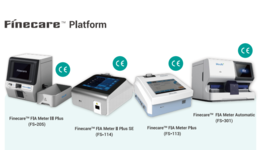 50+ kinds of reagents and five high-performance devices, focusing on detecting cardiovascular disease, inflammation, kidney injury, sex hormones, thyroid function, diabetes, tumor, and others.
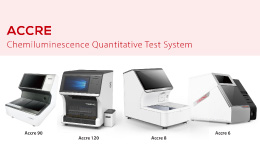 Single-dose Chemiluminescense Immunoassay Platform
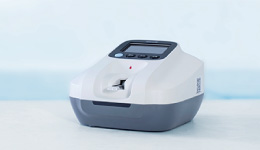 Wondfo optical blood coagulation analyzer is the first one in the world that can test PT, APTT, TT, FIB, and ACT simultaneously.
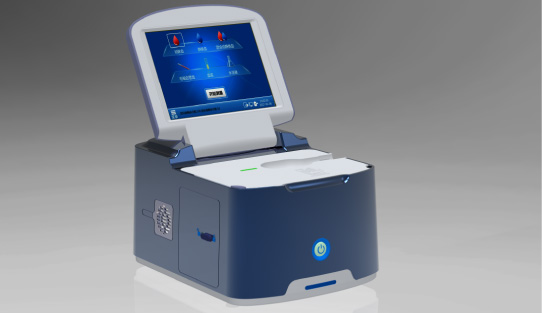 Our Blood Gas Analyzer BGA-102 can produce the result in 30s. Its advantages of portability, easy operation, durability, and high performance make it ideal for clinics, laboratories, and hospitals.
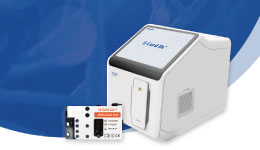 Ready-to-use lyophilized RT-PCR Reagent;
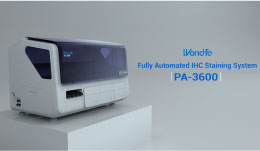 Wondfo PA-3600 IHC Staining System
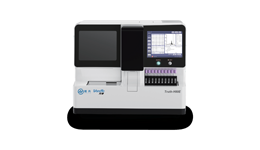 The Wondfo Truth-H80E HPLC Hemoglobin Analyzer is a high-performance diagnostic device designed for rapid and precise measurement of glycosylated hemoglobin (HbA1c)—the gold standard for diabetes diagnosis.It support the standard mode and variant mode and provide the result within 60-90seconds.
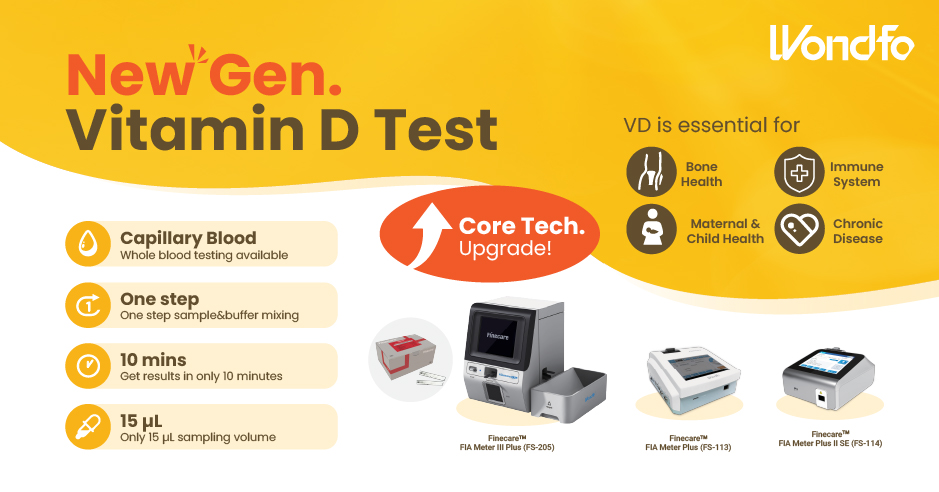 Finecare™ Vitamin D, from complexity to simplicity
 Building A World Free from Antibitoic Overuse
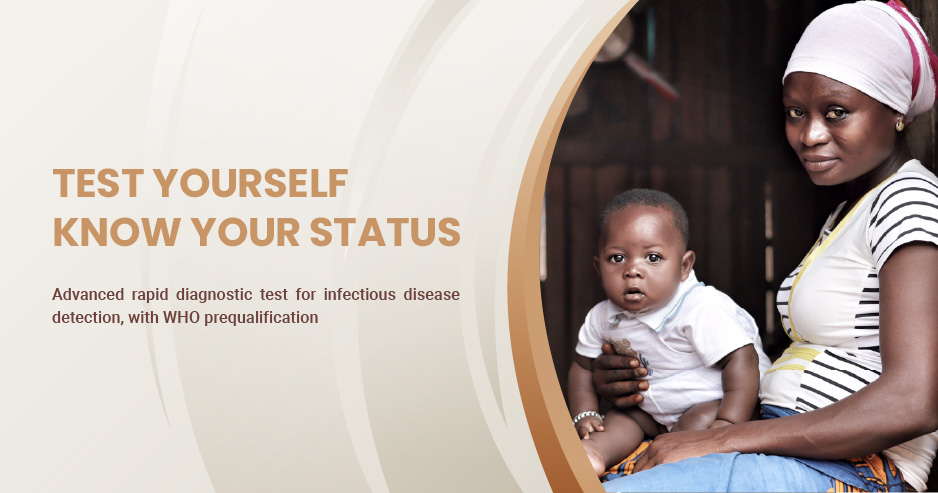 Advanced rapid diagnostic test with WHO prequalification for infectious disease
 The Future Intelligent Medical Assistant to Healthcare
 Fight against the pandemic through continuous innovation



 Request


