When infection or inflammation is suspected, clinicians often need answers quickly: Is the body responding to inflammation? Is a bacterial infection likely? Could this patient be at risk of severe infection or sepsis?
That is where CRP and PCT tests are often discussed together. Both are blood biomarkers related to inflammation, but they do not tell the same story.
CRP, or C-Reactive Protein, is a broad marker of inflammation. It can rise when the body is responding to infection, tissue injury, autoimmune disease, surgery, trauma, or other inflammatory conditions. PCT, or Procalcitonin, is more closely associated with systemic bacterial infection and sepsis. In practical terms, CRP can help show that inflammation is present, while PCT can provide a more bacteria-focused signal when serious infection is suspected.
For hospitals, laboratories, emergency departments, and point-of-care testing programs, measuring both CRP and PCT can provide a more complete picture than either marker alone.
CRP vs PCT Test: Quick Comparison
|
Feature
|
CRP Test
|
PCT Test
|
|
Full name
|
C-Reactive Protein
|
Procalcitonin
|
|
Main clinical meaning
|
General inflammation marker
|
Marker more closely linked to systemic bacterial infection
|
|
What commonly raises it?
|
Infection, trauma, surgery, autoimmune disease, chronic inflammation
|
Severe bacterial infection, sepsis, systemic inflammatory response caused by bacteria
|
|
Specificity for bacterial infection
|
Lower
|
Higher
|
|
Typical use
|
Detecting and monitoring inflammation
|
Supporting bacterial infection and sepsis assessment
|
|
Best use case
|
Broad inflammatory screening and follow-up
|
Severe infection, ICU, emergency care, sepsis risk assessment
|
|
Main limitation
|
Does not identify the cause or location of inflammation
|
Should not be used as the only basis for diagnosis or treatment.PCT may be low in early/localized infection and may rise in some noninfectious conditions
|
What is a CRP Test?
A CRP test is a blood test used to measure C-Reactive Protein, an inflammation-related protein produced by the liver. When the body responds to infection, injury, chronic disease, or other inflammatory conditions, CRP levels can increase. This makes CRP a useful biomarker for detecting and monitoring inflammation, but it is not specific to one disease.
CRP is widely used because it is sensitive. When inflammation increases, CRP often rises. When inflammation improves, CRP usually falls. This makes CRP useful for:
· Detecting inflammation
· Monitoring infection or inflammatory disease
· Following recovery after treatment
· Checking for infection after surgery
· Supporting broader clinical assessment in fever or suspected infection
However, CRP is not specific. A high CRP result does not automatically mean a bacterial infection is present. CRP may also increase in viral infections, autoimmune diseases, trauma, burns, cardiovascular events, obesity, smoking-related inflammation, or after surgery.
What is a PCT Test?
A PCT test measures procalcitonin in blood. In healthy people, PCT levels are usually very low. When a systemic bacterial infection develops, PCT may rise significantly.
PCT is an important biomarker for assessing systemic bacterial infection and sepsis risk. Compared with CRP, which may rise in many inflammatory conditions, PCT is more closely linked to bacterial infection and can provide a more specific signal in severe infection assessment. Research has also found PCT to be more discriminative than CRP in distinguishing bacterial infection from other inflammatory processes.
PCT is especially useful in settings such as:
· Suspected severe bacterial infection
· Sepsis or septic shock assessment
· Intensive care unit monitoring
· Emergency department triage
· Lower respiratory tract infection evaluation
· Antibiotic stewardship programs
PCT is not perfect, and it should not replace clinical judgment. But when used correctly, it can help clinicians evaluate whether a bacterial infection is likely and whether antibiotic therapy may need to be reviewed, escalated, de-escalated, or discontinued.

How Fast Do CRP and PCT Rise?
When comparing CRP and PCT tests, timing is one of the most practical differences. Both biomarkers can rise during inflammation or infection, but they do not move at the same pace. In general, CRP is useful for showing the overall inflammatory response, while PCT may provide an earlier and more bacteria-focused signal in systemic bacterial infection.
Key points about CRP and PCT timing:
· CRP usually reflects the broader inflammation trend. It can begin to rise after an inflammatory trigger and often reaches its peak later than early bacterial-response markers. Some reviews describe CRP as beginning to rise after 12–24 hours and peaking within 2–3 days.
· PCT may rise earlier in systemic bacterial infection. Clinical studies describe PCT induction at around 2–4 hours after sepsis onset, with peak levels often reported within 24–48 hours.
· PCT can be useful for short-term monitoring. Because PCT may fall as bacterial infection comes under control, serial PCT results can help clinicians follow changes in infection status.
· CRP remains useful for recovery tracking. CRP may stay elevated longer while inflammation continues, which makes it helpful for monitoring the overall inflammatory burden.
· A single result is not enough. For both CRP and PCT, the direction of change over time is often more meaningful than one isolated value.
In urgent care, clinicians need to know not only whether inflammation is present, but also whether the patient is improving or worsening. A rapid quantitative CRP/PCT workflow helps provide two complementary infection markers in one pathway. The Wondfo Finecare™ CRP/PCT Rapid Quantitative Test measures CRP and PCT in whole blood, serum, or plasma, with a 15-minute reaction time for timely point-of-care assessment.
CRP High, PCT Low: What Could It Mean?
A high CRP with a low PCT may suggest that inflammation is present, but a systemic bacterial infection is less strongly supported by the biomarker pattern.
Possible explanations include:
· Viral infection
· Localized inflammation
· Autoimmune or chronic inflammatory disease
· Recent surgery or trauma
· Early infection before biomarker changes are fully developed
· Non-infectious inflammatory conditions
This pattern should not be interpreted in isolation. A patient with concerning symptoms may still need further evaluation, repeat testing, culture, imaging, or other diagnostic workup.
Why CRP/PCT Testing Matters in Infection Management
Infection management is often a race against time. Clinicians need to recognize serious bacterial infection early, monitor whether inflammation is improving, and avoid unnecessary antibiotic use whenever possible. This is where CRP/PCT testing can add practical value: CRP provides a broad view of the body’s inflammatory response, while PCT offers a more bacteria-focused signal, especially in suspected systemic infection or sepsis.
Key reasons CRP/PCT testing matters:
· Supports earlier infection assessment. PCT is widely used in severe bacterial infection and sepsis evaluation, while CRP helps indicate the overall inflammatory burden.
· Helps monitor treatment response. Changes in CRP and PCT levels over time can help clinicians understand whether inflammation or infection is improving.
· Contributes to antibiotic stewardship. Evidence-based guidance highlights PCT as a useful biomarker in antibiotic stewardship, especially for sepsis and respiratory infections, when used alongside clinical evaluation.
· Improves point-of-care workflow. Rapid testing can give clinicians timely biomarker information instead of waiting for delayed laboratory results.
· Provides complementary information. CRP and PCT are not competing markers; together, they help connect general inflammation status with bacterial infection risk.
For hospitals, emergency departments, ICUs, and POCT programs, the value of CRP/PCT testing is not just having two numbers. It is having faster, more complete information to support clinical judgment.
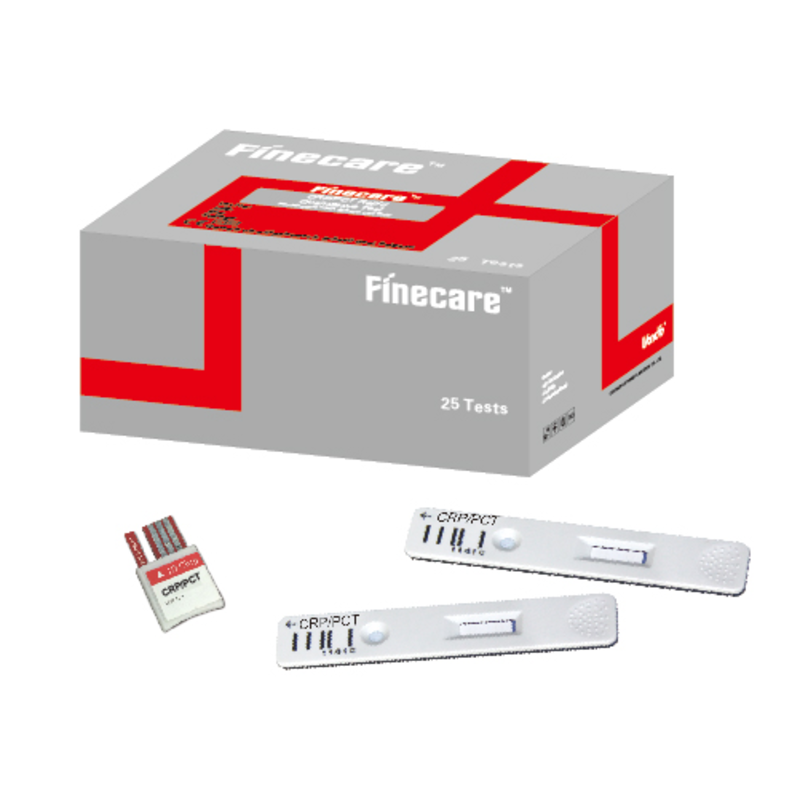
CRP/PCT Rapid Quantitative Test
How to Choose a CRP/PCT Test Kit
Choosing a CRP/PCT Test Kit is not only about selecting two biomarkers. For laboratories, hospitals, emergency departments, and distributors, the right solution should fit the full testing workflow—from sample collection and analyzer compatibility to result turnaround, quality control, regulatory requirements, and supply stability.
A reliable CRP/PCT Rapid Quantitative Test should offer practical value in daily use:
· Quantitative results for trend monitoring
Quantitative CRP and PCT results are more useful for follow-up than simple positive or negative results, especially when clinicians need to monitor inflammation and infection changes over time.
· Flexible specimen compatibility
Support for whole blood, serum, and plasma can make testing easier across different clinical settings, including laboratories, emergency departments, ICUs, and point-of-care programs.
· Fast turnaround time
In infection assessment, speed matters. A shorter reaction time can help clinical teams receive biomarker information sooner and improve workflow efficiency.
· Clear measuring range
The measuring range should match the intended clinical application, especially for infection monitoring, severe bacterial infection assessment, and inflammatory status evaluation.
· Compatible testing platform
Buyers should confirm which analyzer or reader is required, how easy the platform is to operate, and whether it supports the existing laboratory or POCT workflow.
· Quality and compliance support
POCT implementation should include proper training, competency evaluation, quality control, and documentation.
· Reliable manufacturer and supply capability
Beyond the test itself, procurement teams should consider product documentation, technical support, storage conditions, lead time, distributor service, and long-term supply stability.
The Wondfo Finecare™ CRP/PCT Rapid Quantitative Test is designed for quantitative determination of CRP and PCT in human whole blood, serum, or plasma using the Finecare™ FIA System. It provides a 15-minute reaction time and supports timely infection and inflammation assessment in clinical and point-of-care settings.
Conclusion
CRP and PCT are both useful infection markers, but they answer different questions. CRP shows that inflammation is present and helps track recovery, while PCT is more closely linked to systemic bacterial infection and sepsis risk. Used together, they give clinicians a clearer view of infection status, treatment response, and antibiotic needs.
FAQs
Q1. What is the main difference between CRP and PCT test?
A: CRP is a broad inflammation marker, while PCT is more closely related to systemic bacterial infection and sepsis risk. CRP helps show that inflammation is present; PCT helps assess whether a serious bacterial infection may be involved.
Q2. Which is better, CRP or PCT?
A: Neither test is “better” in every situation. CRP is useful for general inflammation screening and follow-up. PCT is more useful when clinicians need a bacterial infection or sepsis-related signal. In many cases, testing both provides more complete information.
Q3. Can CRP tell if an infection is bacterial or viral?
A: CRP alone cannot reliably confirm whether an infection is bacterial or viral. It can rise in many conditions, including bacterial infection, viral infection, trauma, surgery, and autoimmune disease. PCT may provide more specific support when bacterial infection is suspected.
Q4. Why test CRP and PCT together?
A: CRP and PCT complement each other. CRP reflects the overall inflammatory response, while PCT adds a more bacteria-focused marker. Together, they can help clinicians monitor infection status, treatment response, and antibiotic decision-making more effectively.
Q5. When is a CRP/PCT Rapid Quantitative Test useful?
A: A CRP/PCT Rapid Quantitative Test is useful in hospitals, emergency departments, ICUs, laboratories, and point-of-care settings where timely infection and inflammation assessment is important. Quantitative results are especially helpful for monitoring changes over time.



 The first developed technology platform with various application scenarios, including infectious disease, fertility, DOA, etc.
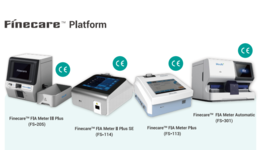 50+ kinds of reagents and five high-performance devices, focusing on detecting cardiovascular disease, inflammation, kidney injury, sex hormones, thyroid function, diabetes, tumor, and others.
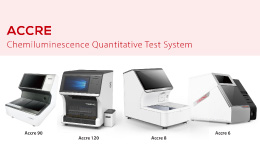 Single-dose Chemiluminescense Immunoassay Platform
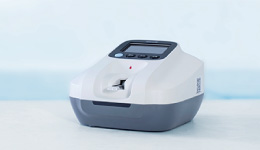 Wondfo optical blood coagulation analyzer is the first one in the world that can test PT, APTT, TT, FIB, and ACT simultaneously.
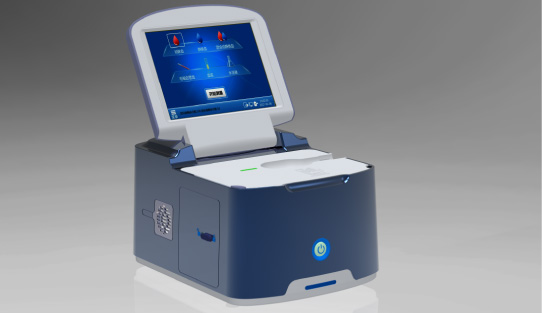 Our Blood Gas Analyzer BGA-102 can produce the result in 30s. Its advantages of portability, easy operation, durability, and high performance make it ideal for clinics, laboratories, and hospitals.
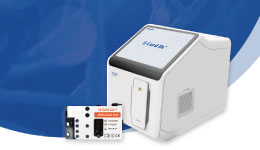 Ready-to-use lyophilized RT-PCR Reagent;
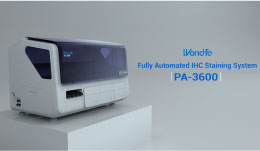 Wondfo PA-3600 IHC Staining System
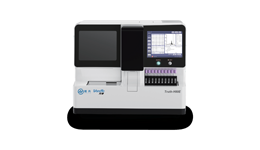 The Wondfo Truth-H80E HPLC Hemoglobin Analyzer is a high-performance diagnostic device designed for rapid and precise measurement of glycosylated hemoglobin (HbA1c)—the gold standard for diabetes diagnosis.It support the standard mode and variant mode and provide the result within 60-90seconds.
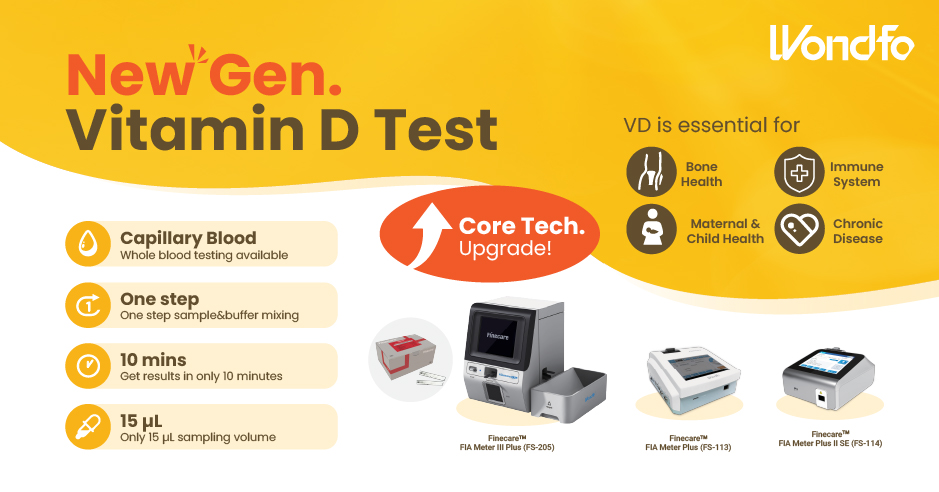 Finecare™ Vitamin D, from complexity to simplicity
 Building A World Free from Antibitoic Overuse
 Advanced rapid diagnostic test with WHO prequalification for infectious disease
 The Future Intelligent Medical Assistant to Healthcare
 Fight against the pandemic through continuous innovation



 Request


