Choosing a fluorescence immunoassay analyzer is not simply a matter of selecting the highest stated throughput or broadest test menu. The appropriate system delivers the assays and turnaround times required by the intended workflow, with a workload the team can manage and a cost the facility can sustain.
Before comparing models, define five things: the assays you plan to run, peak rather than average sample volume, specimen types permitted for the priority assays, available staff and space, and how results must enter the laboratory information system. These factors provide a more reliable basis for selection than headline specifications alone.
How Does a Fluorescence Immunoassay Analyzer Work?
A fluorescence immunoassay combines a specific antigen–antibody reaction with a fluorescent label. After the assay reaction occurs in the test device, the analyzer excites the label and measures emitted fluorescence. Using assay- and lot-specific calibration information, the system converts the signal into a reported result. Some systems use time-resolved fluorescence immunoassay (TRFIA) to distinguish the measured signal from short-lived background fluorescence.
This process provides instrument-read results and reduces subjective visual interpretation. Analytical performance belongs to the complete test system—not the reader alone. The test device, antibodies, fluorescent label, calibration, specimen matrix and pre-analytical handling can all influence the result. Assess each assay by its intended use, precision, measuring interval, detection capability and interference data; do not infer performance from a general “high sensitivity” claim.
Wondfo’s immunofluorescence platform includes more than 60 reagents and seven instruments, covering areas such as cardiovascular disease, inflammation, kidney function markers, thyroid function, sex hormones, diabetes, tumor markers and infectious disease. Assay availability, intended use and regulatory authorization must be confirmed for the local market.
Start With Your Real Testing Demand
The first selection question is not “Which fluorescence immunoassay analyzer is fastest?” It is “What must our service deliver during the busiest part of the day?”
Review testing records and separate routine work from urgent requests. Multiply patient samples in the busiest hour by average tests per patient, then allow for repeats, controls and growth. A laboratory performing 60 tests a day may still need parallel testing if 25 arrive during one morning peak. A clinic with even demand may not benefit from a high-capacity system.
Set a turnaround-time target for each testing group. A cardiac marker requested in an emergency department has a different priority from a scheduled hormone test. For STAT testing, examine time to first reportable result and the ability to insert an urgent sample—not only tests per hour.
Eight Factors to Compare Before You Buy
1. Test Menu and Clinical Fit
Build a list with three categories: assays required now, assays expected within two years, and optional assays. For every priority item, confirm the exact specimen type, measuring interval, assay time, intended use and local regulatory authorization.
A broad menu can reduce the number of point-of-care devices a facility operates, but menu size alone is not enough. Confirm that the system supports real care pathways. Emergency settings may prioritize cardiac, thrombosis and inflammation markers, while primary care may focus on CRP, HbA1c, thyroid tests, vitamin D or anemia-related markers.
2. Practical Throughput
Manufacturers may describe analyzer speed in several ways: reading time, assay time, number of simultaneous channels or tests per hour. These measures are not interchangeable.
Operational throughput should include specimen preparation, incubation, loading, QC, repeats and operator availability. During a demonstration, process a realistic specimen mix and record the time from receipt to a reportable result.
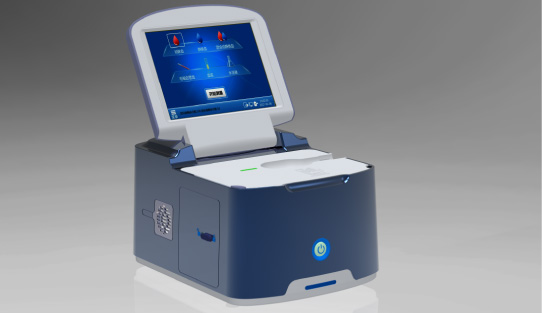
For reference, the Wondfo Finecare™ FIA Meter X2 is a 16-channel system rated at up to 200 tests per hour. The Finecare™ Fully-Automatic FIA Analyzer (FS-301) has 40 sample positions and 20 reaction channels, with stated throughput of up to 100 tests per hour; it also provides automatic sample loading without decapping, a dedicated STAT port and bidirectional LIS/HIS connectivity. Confirm current specifications, local availability and regulatory status before purchase.
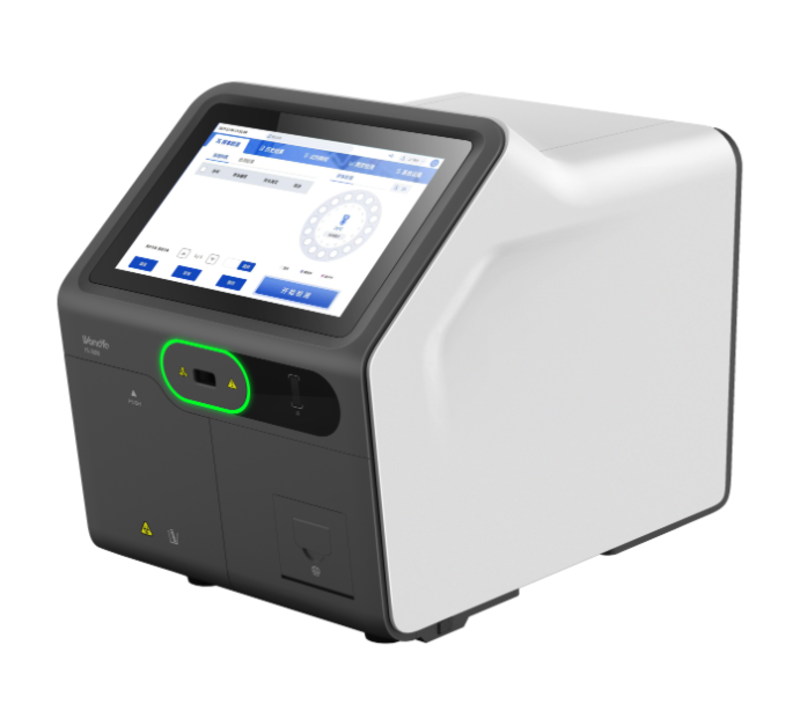
Wondfo Finecare™ FIA Meter X2
3. Assay-Specific Performance
Analytical sensitivity is meaningful only when linked to a specific biomarker and clinical decision point. Ask for precision data near relevant medical decision points, method-comparison data, linearity, measuring interval, limits of blank, detection and quantitation (as applicable), interference studies, and lot-to-lot comparability data.
For low-concentration analytes, such as cardiac troponins, review the specific assay rather than assuming that every assay on a platform has the same detection capability. Apply the same principle to inflammation, hormone and infectious-disease assays, then verify performance under local conditions before implementation.
4. Sample Type and Volume
Confirm whether each assay accepts venous whole blood, capillary whole blood, serum, plasma or urine. Whole-blood support can shorten pre-analytical work in POCT and emergency settings, but compatibility must be checked assay by assay. For pediatric or limited-volume collections, assess both the minimum specimen volume and the robustness of collection. Check anticoagulant, mixing, centrifugation, dilution and storage requirements.
5. Workflow and Ease of Use
Count the steps between specimen receipt and result release. Check identification, barcode or QR-code reading, reagent-lot and calibration information, and useful error messages. A portable single-channel POCT analyzer may suit near-patient placement; multi-channel systems support concurrent tests; fully automated systems can reduce repetitive work when volume justifies them.
Ask a newly trained operator to run a sample, recover from an error and retrieve a result. Hands-on time and manual entry matter more than touchscreen size.
6. LIS/HIS Connectivity and Traceability
“LIS compatible” is only the beginning. Confirm whether communication is one-way or bidirectional, the supported interface standard, implementation responsibility, and whether worklists, results, QC status and error flags can be transmitted.
The Wondfo Finecare™ Fully-Automatic FIA Analyzer (FS-301) support for bidirectional LIS/HIS connectivity. Connectivity for other models can depend on the model, configuration and local implementation. Confirm the final configuration with the local interface team and perform a live transmission test before purchase.
Traceability should cover specimen ID, operator ID, assay, reagent lot, calibration information and QC, especially across multiple point-of-care testing locations.
7. Quality Control, Maintenance and Downtime
Ask what controls are required, how often they are run and what happens after failure. Review calibration, cleaning, software updates and operator maintenance.
Clarify remote support, local engineer coverage, replacement-instrument arrangements and spare-parts availability. For decentralized testing, battery performance and environmental operating conditions also matter.
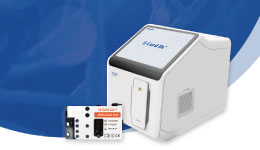
The Wondfo Finecare™ FIA Meter X1 (FS-1000) is a 3.5 kg single-channel system with a built-in battery and stated 12-hour standby time, which may suit locations such as ambulances, emergency departments and ICUs. Confirm operating conditions and local authorization for the intended setting.
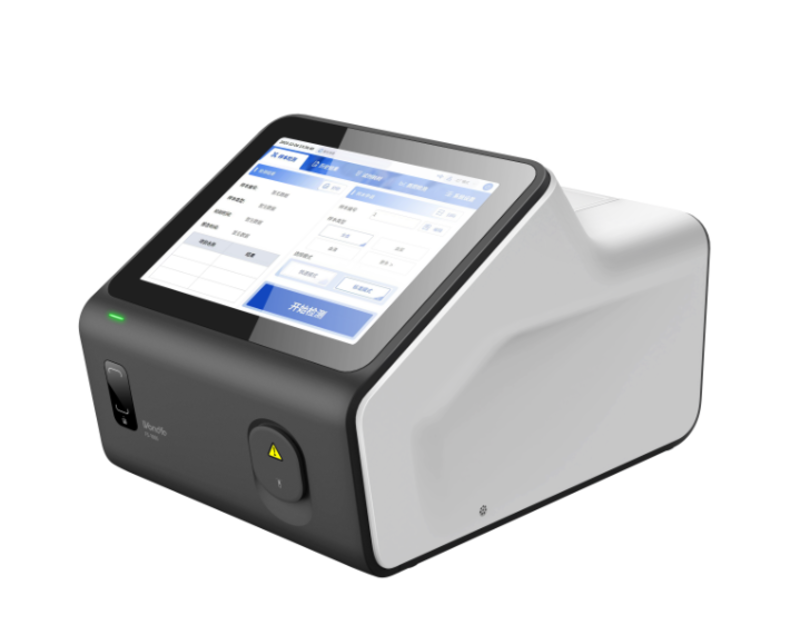
Wondfo Finecare™ FIA Meter X1
8. Total Cost of Ownership
The analyzer price is only one part of the financial decision. Estimate total cost over the expected service life:
Total cost of ownership = analyzer + reagents + controls + calibrators + consumables + interface + training + verification + maintenance + downtime + waste.
Divide the total by reportable patient results—not cartridges purchased. Pack size, shelf life, order quantity, shipping and invalid or repeated tests can materially affect cost per reportable result.
Match the Analyzer Type to the Setting
|
Testing environment
|
Likely priority
|
Analyzer approach to consider
|
|
Ambulance, emergency room or ICU
|
Portability, battery, required whole-blood assays, rapid access
|
Compact single-channel analyzer, such as Finecare™ FIA Meter X1, subject to assay-specific and local requirements
|
|
Clinic or decentralized POCT site
|
Simple operation, routine menu, small footprint
|
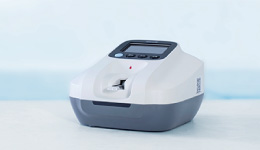
Portable meter, such as FS-113 or FS-114, subject to local availability and workflow requirements
|
|
Small-to-medium laboratory
|
Parallel testing, peak capacity, waste handling
|
Multi-channel system, such as Finecare™ FIA Meter X2
|
|
Laboratory seeking more automation
|
Specimen capacity, lower hands-on time, STAT and LIS workflow
|
Fully automated analyzer, such as Finecare™ FS-301
|
A small laboratory with a sharp morning peak may need more parallel capacity than a larger facility with evenly distributed demand.
A Practical Evaluation Before Purchase
Shortlist two or three configurations and assess them against the same criteria. Use representative priority assays and specimens where permitted. Include a routine batch, an urgent sample, a QC event and an interface test.
Score each option on:
l Coverage of required assays and local registrations
l Reportable results during the peak hour
l Hands-on time and number of manual steps
l Precision and method-comparison evidence for priority assays
l Sample types and minimum sample volume
l QC, calibration and traceability
l LIS/HIS implementation
l Five-year total cost of ownership
l Training, reagent supply and technical service
Document acceptance limits before the demonstration so an attractive extra feature cannot outweigh a missing requirement.
What Should Distributors and Multi-Site Buyers Verify?
An IVD distributor or multi-site healthcare organization should confirm local registrations or authorizations, reagent and control availability, and how installation, training and service will be delivered.
Ask for response times, spare parts, software updates, replacement arrangements and application support. Standardized training and traceable result management become more important across many locations.
Final Selection Checklist
Before approving a fluorescence immunoassay analyzer, confirm that:
1. The required test menu is available and authorized locally for its intended use.
2. Peak-hour capacity has been demonstrated with a realistic workflow.
3. Priority assays meet predefined analytical-performance requirements.
4. Required sample types and volumes are supported.
5. QC, calibration and traceability fit the quality plan.
6. LIS/HIS communication has been tested.
7. Operators can complete testing and error recovery reliably.
8. Reagent supply and storage fit actual consumption.
9. The total cost per reportable result is sustainable.
FAQ
Q1. Is the highest-throughput analyzer always the best choice?
A: No. Excess capacity can increase capital and operating costs without improving care if the test menu, staffing or demand cannot use it. Select capacity around the busiest hour, urgent-test requirements and expected growth.
Q2. How should sensitivity be compared?
A: Compare assay-specific analytical sensitivity, precision and detection capability at clinically relevant concentrations or medical decision points. Avoid applying a strong claim for one assay to the entire analyzer menu.
Q3. Is a portable analyzer suitable for a laboratory?
A: It can be, especially for low-volume, urgent or space-limited testing. The decision should depend on parallel testing needs, sample flow, connectivity and operator workload.
Q4. What information should be requested with a quotation?
A: Request specifications, locally available and authorized assays, specimen requirements, reagent and QC pricing, interface costs, warranty, training, service response and delivery terms.
Choose for Workflow Fit, Not Specification Length
The right fluorescence immunoassay analyzer should make testing more dependable, not merely add features. Convert patient-care and workflow needs into measurable requirements, then verify them with realistic specimens, operators and data connections. Wondfo’s fluorescence immunoassay analyzer range includes portable single-channel meters, multi-channel systems and a fully automated analyzer, allowing facilities to match capacity and automation to their actual workflow.
To compare fluorescence immunoassay analyzer configurations, prepare your required test menu, peak hourly workload, specimen types, testing locations and LIS/HIS requirements before requesting a recommendation.



 The first developed technology platform with various application scenarios, including infectious disease, fertility, DOA, etc.
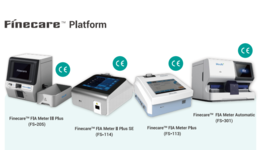 50+ kinds of reagents and five high-performance devices, focusing on detecting cardiovascular disease, inflammation, kidney injury, sex hormones, thyroid function, diabetes, tumor, and others.
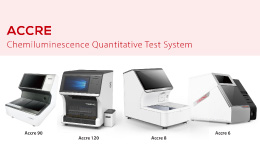 Single-dose Chemiluminescense Immunoassay Platform
 Wondfo optical blood coagulation analyzer is the first one in the world that can test PT, APTT, TT, FIB, and ACT simultaneously.
 Our Blood Gas Analyzer BGA-102 can produce the result in 30s. Its advantages of portability, easy operation, durability, and high performance make it ideal for clinics, laboratories, and hospitals.
 Ready-to-use lyophilized RT-PCR Reagent;
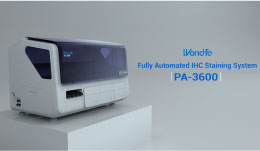 Wondfo PA-3600 IHC Staining System
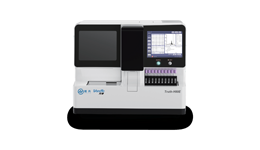 The Wondfo Truth-H80E HPLC Hemoglobin Analyzer is a high-performance diagnostic device designed for rapid and precise measurement of glycosylated hemoglobin (HbA1c)—the gold standard for diabetes diagnosis.It support the standard mode and variant mode and provide the result within 60-90seconds.
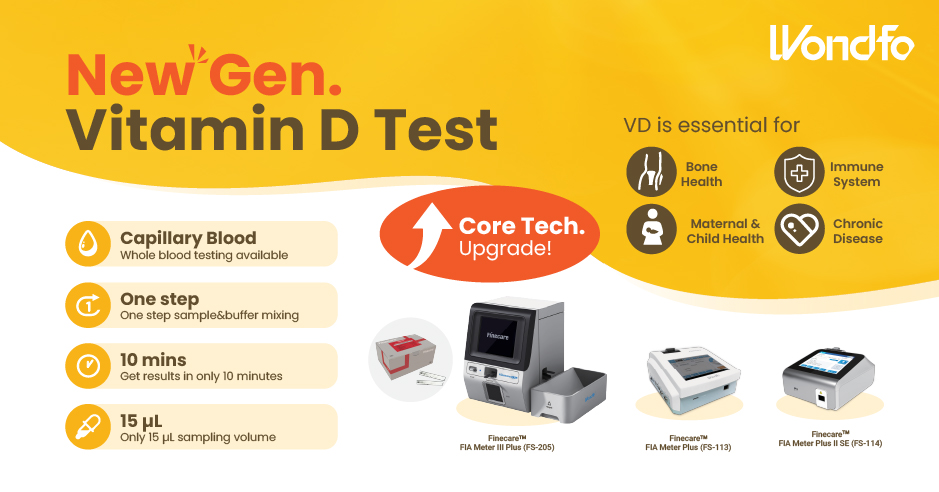 Finecare™ Vitamin D, from complexity to simplicity
 Building A World Free from Antibitoic Overuse
 Advanced rapid diagnostic test with WHO prequalification for infectious disease
 The Future Intelligent Medical Assistant to Healthcare
 Fight against the pandemic through continuous innovation



 Request


