Cardiac and inflammatory markers answer different questions in patient assessment. Cardiac troponin I helps assess heart muscle injury, while CRP and PCT provide information about inflammation. Wondfo’s Finecare™ FIA Meter X1 and X2 support testing across both marker groups, and both can be used with the One Step hs-cTnI assay. The X1 is suited to testing close to patient care; the X2 offers higher capacity for laboratories. Selecting the right meter starts with the markers, testing location and volume your service needs.
Cardiac Markers: What Does Each Test Tell You?
Cardiac markers are most useful when the test matches the clinical question. Acute chest pain and unexplained shortness of breath, for example, call for different kinds of information.
|
Marker
|
Question it helps address
|
Interpretation note
|
|
Cardiac troponin I (cTnI)
|
Is there evidence of heart muscle injury?
|
A raised value does not establish its cause.
|
|
NT-proBNP
|
Could heart failure contribute to breathlessness?
|
Consider alongside symptoms and examination.
|
|
CK-MB and myoglobin
|
Do these add information beyond troponin?
|
They add no diagnostic benefit for acute myocardial injury when troponin is available.
|
hs-cTnI and Myocardial Injury
High-sensitivity cardiac troponin I testing can detect low concentrations of troponin and help clinicians assess changes over time. In a patient with suspected acute coronary syndrome, interpret the result alongside symptoms and ECG findings, and follow an assay-appropriate local protocol for repeat testing when indicated. The 2025 ACC/AHA/ACEP/NAEMSP/SCAI Guideline for the Management of Patients With Acute Coronary Syndromes (Circulation, 27 February 2025) and the 2021 AHA/ACC/Multisociety Chest Pain Guideline provide the clinical context for this approach, as does the 2023 ESC Guidelines for the management of acute coronary syndromes. These documents emphasise high-sensitivity troponin, specify when a single troponin value should be obtained relative to symptom onset, and require clinicians to work from the analytical characteristics of the assay in use — its limit of detection, its 99th percentile upper reference limit and its criteria for a significant change.
For point-of-care use: Check the performance and intended use of the specific assay.For point-of-care use: Check the performance and intended use of the specific assay. High-sensitivity performance applies to the assay in question, not to the analyzer or to the rest of the menu; tests available on the same analyzer do not necessarily have the same analytical sensitivity. Tests available on the same analyzer do not necessarily have the same analytical sensitivity.
NT-proBNP and Other Cardiac Markers
NT-proBNP is used mainly to rule out heart failure in patients in whom the diagnosis is uncertain, rather than to establish it. It is particularly relevant when a patient presents with shortness of breath. Decision limits differ by clinical setting and guideline, and are applied according to the local pathway alongside symptoms, examination and other findings. It answers a different question from troponin. Although cardiac panels may include CK-MB and myoglobin, troponin remains central to evaluating acute myocardial injury.
Inflammatory Markers: CRP, PCT, IL-6 and SAA
Inflammatory markers provide information about the body’s response to illness or injury. They complement a clinical assessment; they do not identify the cause of inflammation on their own.
How the Markers Differ
· CRP and hs-CRP are different tests with different interpretive frameworks. Standard CRP supports monitoring of acute inflammation and infection. High-sensitivity CRP (hs-CRP) is used for cardiovascular risk stratification and is interpreted against its own risk categories. The assay method determines which interpretive framework applies.
· PCT: May add context when systemic bacterial infection is suspected. A PCT result alone should not determine whether antibiotics are started.
· IL-6: A signaling protein involved in inflammation and the production of acute-phase proteins. Its routine clinical utility is narrower than that of CRP or PCT, and interpretation is assay-specific.
· SAA: Another acute-phase protein that changes with inflammatory activity. It rises earlier than CRP and may remain informative when C-reactive protein is suppressed, for example by glucocorticoid therapy. Its result also needs clinical context.
Where Timely Results Matter
In emergency departments, ICUs and smaller testing sites, testing close to patient care may reduce the wait for information needed during assessment. The value of each test still depends on its intended use, acceptable specimens, analytical performance and local workflow.
The Finecare™ fluorescence immunoassay meter range includes two instruments for cardiac and inflammatory marker testing. Teams can identify the assays their service needs, then compare each meter’s capacity and placement. An inflammatory marker does not replace troponin when myocardial injury is the clinical question.
How to Interpret Cardiac and Inflammatory Markers Together
A patient with fever and chest discomfort may need answers to two separate questions: Is there heart muscle injury? Is there an inflammatory response? The markers can inform both assessments, but one result does not explain the other.
· hs-cTnI helps assess myocardial injury. An elevated result alone does not establish a heart attack.
· CRP and PCT add information about inflammation or suspected infection. They do not determine the cause of chest discomfort.
· When results overlap, interpret them with symptoms, ECG findings and clinical history. Repeat troponin testing, when indicated, helps assess whether an injury is acute.
One Step hs-cTnI: Cardiac Troponin I Testing on Finecare X1 and X2
Used with the Finecare™ FIA Meter X1 or X2, it provides a quantitative result from whole blood, serum or plasma. When acute coronary syndrome is suspected, clinicians can interpret the result alongside symptoms and ECG findings, with repeat testing when the local clinical pathway calls for it.
Specimens and Testing Workflow
|
Test detail
|
One Step hs-cTnI
|
|
Specimen types
|
Whole blood, serum or plasma
|
|
Sample volume
|
100 µL whole blood or 75 µL serum/plasma
|
|
Reaction time
|
8 minutes
|
|
Measuring range
|
0.02–50 ng/mL
|
|
Analytical sensitivity
|
LoD 0.02 ng/mL (20 pg/mL). The assay-specific 99th percentile upper reference limit and the criteria for a significant change are specified in the instructions for use.
|
|
Compatible meters
|
Finecare™ FIA Meter X1 and X2
|
The assay runs in a test cartridge on either meter. Reagent storage: 4–30°C, 24 months shelf life (confirm per kit and market). Its eight-minute reaction time describes the assay step; specimen collection, quality control and result reporting also contribute to the time before a clinical result is available.
Point-of-Care Testing: Reaction Time vs. Reported Result
Finecare™ One Step hs-cTnI has a listed eight-minute reaction time. For a care team, the more useful measures are the time to first reportable result and whether an urgent sample can be inserted ahead of a queued run. Confirm both for the configuration under consideration.
|
Workflow stage
|
What to check
|
|
Before the assay
|
Specimen collection and transport to the meter
|
|
During the assay
|
Cartridge preparation, operation and required quality control
|
|
After the assay
|
Result review, recording and communication
|
Testing near patient care may shorten transport, but the full turnaround time depends on the site’s workflow. Where a chest-pain pathway calls for a repeat troponin sample, its sampling interval must still be followed.
What to Verify Before Clinical Use
For troponin testing, performance measures belong to the complete assay and meter combination. Before adopting the test, review the current instructions for use for:
· Analytical performance: Precision near the 99th-percentile decision limit, detection and quantitation limits, and data for each permitted specimen type.
· Clinical use: Assay-specific decision limits, interpretation of changes on repeat testing and use in the local chest-pain pathway.
· Implementation: Quality controls, operator training, result reporting and authorization in the intended market.
A high-sensitivity label should be supported by evidence for the specific assay. Results must be interpreted with the patient’s presentation, ECG and an appropriate testing interval.
Finecare X1 and X2 for Cardiac and Inflammatory Marker Testing
Finecare™ FIA Meter X1: Testing Close to Patient Care
Wondfo Finecare™ FIA Meter X1 brings fluorescence immunoassay testing to clinical areas where cardiac and inflammatory marker requests arrive on demand. Its single-channel format suits emergency departments, ICUs and other settings that need testing near patient care. The menu includes One Step hs-cTnI, so teams can assess the meter alongside the other marker assays their service requires.
· Easy to move: 3.5 kg, with an integrated handle and built-in battery (12-hour standby).
Parallel capacity: single channel. Confirm expected throughput against your own assay mix and peak volume.
· Flexible workflow: Quick and standard testing modes.
· Quality control options: Compatible with Wondfo and third-party controls.
Connectivity: LIS/HIS data exchange is supported when appropriately configured; confirm whether communication is one-way or bidirectional, the interface standard and implementation responsibility, and perform a live transmission test before go-live.
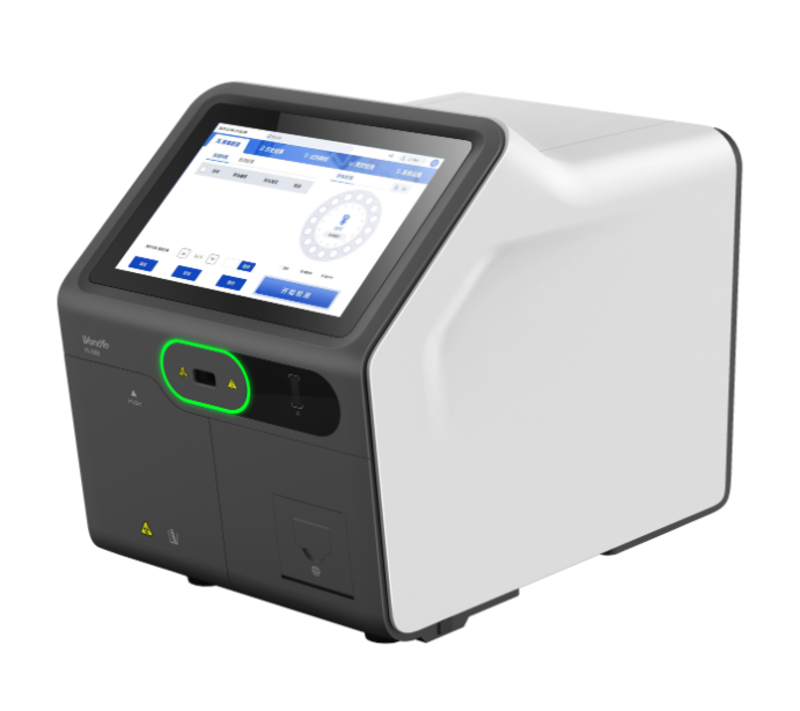
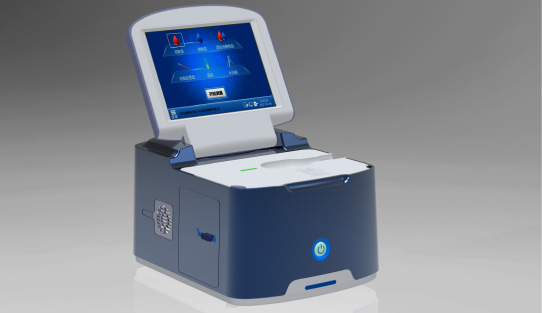
Finecare™ FIA Meter X1
Finecare™ FIA Meter X2: Testing for Busier Laboratories
Wondfo Finecare™ FIA Meter X2 is designed for small-to-medium laboratories handling a higher volume of cardiac and inflammatory marker requests. Facilities requiring higher automation, dedicated STAT handling or a larger sample capacity should compare the fully automatic Finecare™ FIA Analyzer, which is described separately. Its test menu includes One Step hs-cTnI and inflammation assays such as CRP, PCT, IL-6 and SAA. The multi-channel format allows laboratories to process multiple tests during busy periods.
· Higher capacity: 16 channels and a manufacturer-rated platform throughput of up to 200 tests per hour. Throughput figures depend on the assay run time; for an 8-minute assay such as One Step hs-cTnI, 16 channels support a sustained rate of up to approximately 120 tests per hour. Confirm expected volume against your own assay mix before planning capacity.
· Less cartridge handling: Built-in collection box for used test cartridges.
· Hot-climate option: A version with a cooling module is available.
· Quality control options: Compatible with Wondfo and third-party controls.
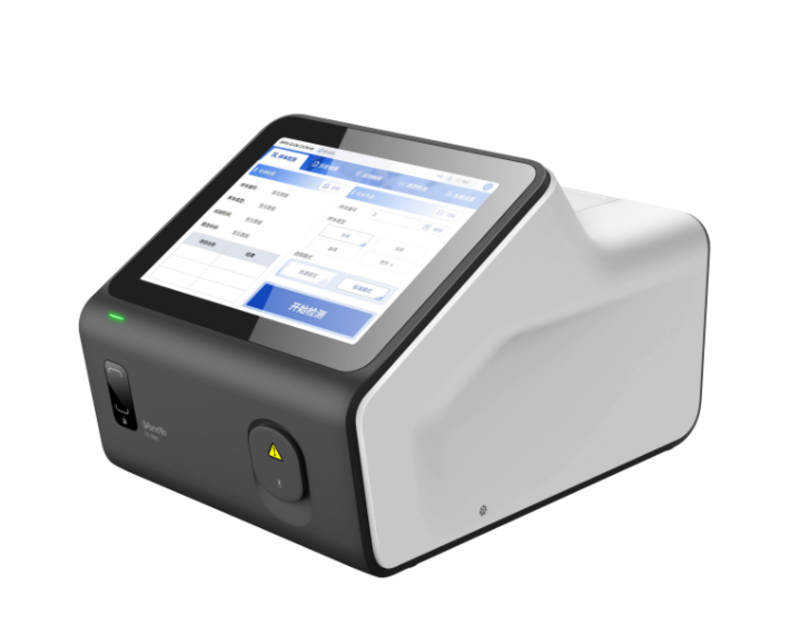
Finecare™ FIA Meter X2
Plan Your Cardiac and Inflammatory Testing Workflow
Before choosing a meter, define what your testing service needs:
· Assays: Which cardiac and inflammatory markers are priorities, including whether One Step hs-cTnI is required?
· Setting and volume: Will testing take place near patient care or in a laboratory? How many tests arrive during the busiest period?
· Implementation: Which specimen types, quality controls and result-reporting arrangements must the system support?
Share your assay list, facility type and expected volume when you contact our team. We can discuss the Finecare™ FIA Meter X1 and X2, their compatible assays and the configurations available for your market.
FAQ
What is the difference between cardiac and inflammatory markers?
Cardiac markers address questions such as heart muscle injury or suspected heart failure. Inflammatory markers, including CRP and PCT, provide information about the body’s inflammatory response. The right test depends on the clinical question; the two groups are not interchangeable.
Does an elevated hs-cTnI result confirm a heart attack?
No. An elevated troponin result indicates heart muscle injury but does not establish its cause. Clinicians interpret it with symptoms, ECG findings and, when indicated, results from repeat testing.
What samples can be used for Finecare One Step hs-cTnI, and how long does it take?
The assay accepts whole blood, serum or plasma. It requires 100 µL of whole blood or 75 µL of serum or plasma and has an eight-minute reaction time. Specimen collection, quality control and reporting add to the overall turnaround time.
How do I choose between Finecare™ FIA Meter X1 and X2?
Finecare™ FIA Meter X1 is a portable, single-channel option for testing close to patient care. Finecare™ FIA Meter X2 has 16 channels and a manufacturer-rated platform throughput of up to 200 tests per hour for busier laboratory workflows. Throughput depends on the assay run time, and should be confirmed against your own assay mix. Start with the assays needed, testing location and expected peak volume.



 The first developed technology platform with various application scenarios, including infectious disease, fertility, DOA, etc.
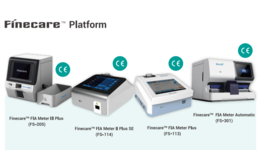 50+ kinds of reagents and five high-performance devices, focusing on detecting cardiovascular disease, inflammation, kidney injury, sex hormones, thyroid function, diabetes, tumor, and others.
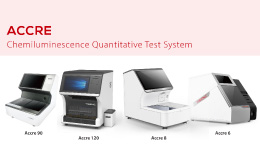 Single-dose Chemiluminescense Immunoassay Platform
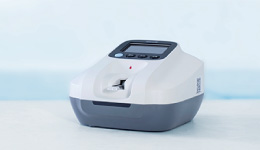 Wondfo optical blood coagulation analyzer is the first one in the world that can test PT, APTT, TT, FIB, and ACT simultaneously.
 Our Blood Gas Analyzer BGA-102 can produce the result in 30s. Its advantages of portability, easy operation, durability, and high performance make it ideal for clinics, laboratories, and hospitals.
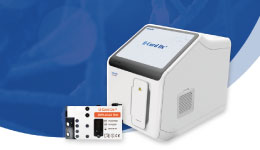 Ready-to-use lyophilized RT-PCR Reagent;
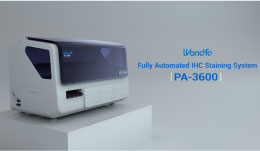 Wondfo PA-3600 IHC Staining System
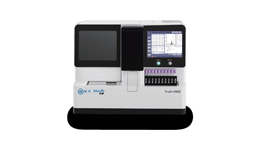 The Wondfo Truth-H80E HPLC Hemoglobin Analyzer is a high-performance diagnostic device designed for rapid and precise measurement of glycosylated hemoglobin (HbA1c)—the gold standard for diabetes diagnosis.It support the standard mode and variant mode and provide the result within 60-90seconds.
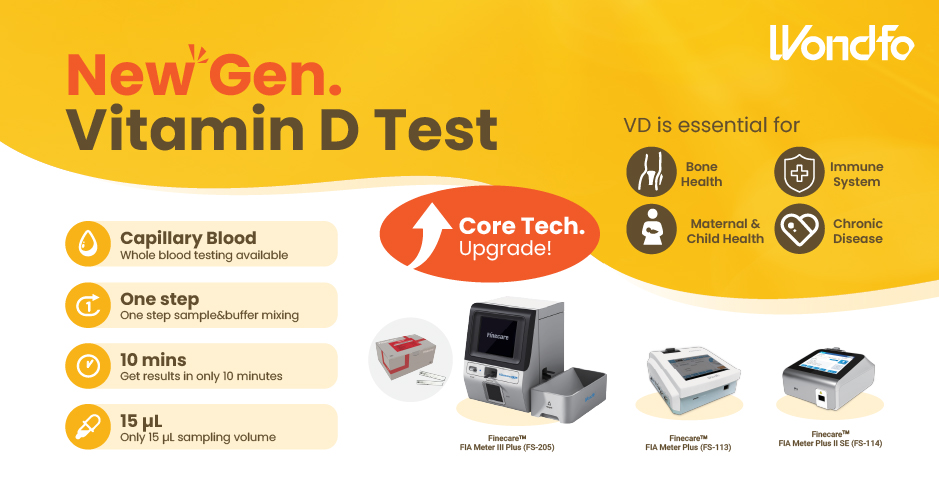 Finecare™ Vitamin D, from complexity to simplicity
 Building A World Free from Antibitoic Overuse
 Advanced rapid diagnostic test with WHO prequalification for infectious disease
 The Future Intelligent Medical Assistant to Healthcare
 Fight against the pandemic through continuous innovation



 Request


