Choosing an HIV Rapid Test is not only about obtaining a result quickly. For clinics, community programmes, laboratories, distributors, and procurement teams, the more important question is whether the test fits the full screening pathway. That includes the markers detected, the specimen type, staff training, quality control, result interpretation, and the next step after a reactive result.
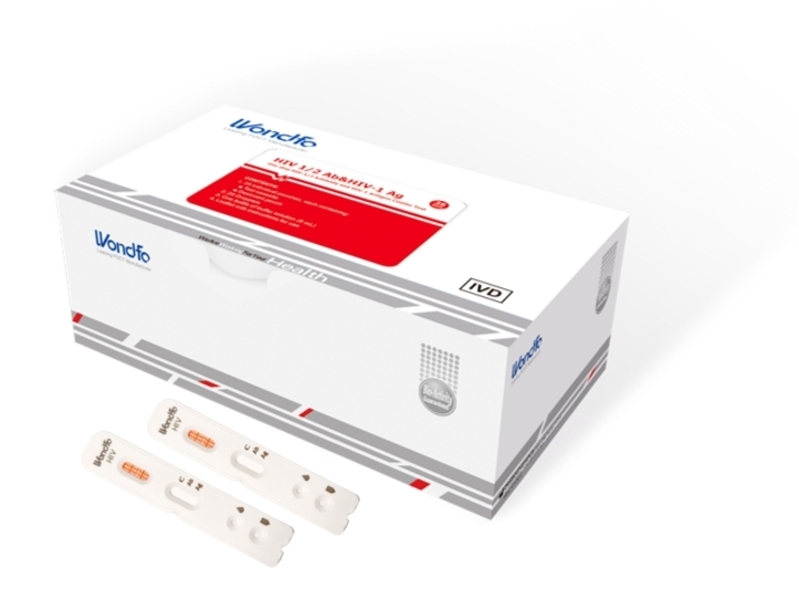
A fourth-generation HIV Ag/Ab Combo test is designed to screen for HIV-1 p24 antigen and antibodies to HIV-1 and HIV-2 in a single blood specimen. By adding p24 antigen to antibody screening, this format can support earlier HIV screening than an antibody�only test. It remains a screening tool, and reactive results require follow-up according to the applicable local testing algorithm.
Why Earlier HIV Screening Still Matters
HIV testing remains central to prevention, treatment, and care. At the end of 2025, an estimated 41.0 million people were living with HIV globally, while approximately 1.2 million people acquired HIV during the same year. In 2024, 128 countries reported that 269 million people had been tested for HIV and received their results. These figures represent laboratory testing, sexual health clinics, antenatal services, mobile outreach units, and community programmes.[1]World Health Organization. HIV: Global Health Observatory
Each setting has different practical needs. A laboratory may prioritise throughput and automated workflow. A community programme may focus on portability, simple procedures, privacy, and a clear referral pathway. An HIV Ag/Ab Combo format gives screening teams an additional marker to consider while allowing them to evaluate whether a rapid testing format fits their service model.
What Does an HIV Ag/Ab Combo Test Detect?
An HIV Ag/Ab Combo test screens for two kinds of markers. HIV-1 p24 antigen is a viral protein that may be detectable before HIV antibodies develop. HIV-1/2 antibodies are immune proteins produced by the body in response to HIV infection. Antibody-only tests look for the body’s immune response. Fourth-generation testing adds p24 antigen as a second screening target.
The exact performance of an HIV Ag/Ab Combo product depends on its validated intended use, specimen type, test design, and operating conditions.
4th Generation HIV Rapid Test vs Antibody-Only Screening
For many users, the decision is not simply about choosing a newer format. It is about selecting a screening solution that matches the service setting, the available follow-up process, and the evidence available for the individual product.
|
Evaluation Point
|
Antibody-Only HIV Rapid Test
|
4th Generation HIV Ag/Ab Combo Rapid Test
|
|
Screening targets
|
HIV antibodies
|
HIV-1 p24 antigen plus HIV-1/2 antibodies
|
|
Main screening role
|
Supports antibody-based HIV screening
|
Adds an antigen marker for earlier screening considerations
|
|
Early infection consideration
|
May not detect infection before antibodies become detectable
|
May detect p24 before antibodies are detectable, depending on the product and specimen type
|
|
Typical programme fit
|
Routine screening programmes using antibody-based formats
|
Clinical, community, or decentralised programmes assessing an added antigen marker
|
|
Specimen options
|
Defined by the product IFU
|
Defined by the product IFU; verify whether whole blood, serum, or plasma are supported
|
|
Reactive result
|
Preliminary screening result requiring confirmation
|
Preliminary screening result requiring confirmation
|
|
Buyer evidence to review
|
Intended use, storage, sample type, quality documents, and training requirements
|
All antibody-test documentation plus p24 performance evidence, result interpretation, and product-specific clinical data
|
|
What not to assume
|
All antibody tests perform the same way
|
All fourth-generation rapid tests have the same detection window or p24 performance
|
A fourth-generation HIV Ag/Ab test may be available in different formats. In Wondfo’s portfolio, HIV Ag&Ab is listed as a rapid cassette test for whole blood, serum, or plasma, while HIV Ag/Ab is also included in the test menu of the Accre 8 automatic chemiluminescence immunoassay (CLIA) analyzer. These formats should be evaluated separately: rapid tests support near-patient testing, whereas CLIA assays use an analyzer-based laboratory workflow. Although both may detect HIV-1 p24 antigen and HIV-1/2 antibodies, specimen type, assay design, analytical sensitivity, and detection window may differ by product. Buyers should therefore consult the specific IFU and clinical data rather than assume identical early-detection performance.Public-health guidance notes that laboratory Ag/Ab testing with venous blood and fingerstick rapid Ag/Ab testing may have different detection windows.
Wondfo HIV Rapid Test Formats: Practical Features for Screening Workflows
Wondfo’s current public HIV product pages show how different rapid-test formats can support different screening workflows. The published HIV antibody-testing products are designed for professional use and should be assessed according to their individual IFU, intended use, and applicable local testing requirements.
|
Wondfo Product
|
Detection and Supported Specimens
|
Time to result
|
Shelf life
|
|
One Step HIV 1/2 Whole Blood/Serum/Plasma Test, 2 Lines
|
Qualitative detection of HIV-1/2 antibodies in venous whole blood, fingerstick whole blood, serum, or plasma
|
15-30 minutes
|
24 months
|
|
4th Generation HIV
|
Qualitative detection of HIV-1/2 antibodies and HIV-1 p24 antigen in human whole blood (fingertip and venous), plasma or serum
|
15-30 minutes
|
24 months
|
These product features can be relevant for decentralised screening sites, outpatient clinics, and programmes that need an equipment-free workflow. The combination of rapid visual results, room-temperature storage, and supported blood-based specimen types can help teams plan testing activities outside a central laboratory environment.
Where Can HIV Ag/Ab Combo Screening Add Value?
Sexual Health and Outpatient Clinics
In a clinic setting, a rapid screening format may help teams begin the next step while the person is still present. This can be useful when return visits are difficult, when a patient needs a clear follow-up plan, or when staff need to arrange referral promptly after a reactive screening result.
Community and Mobile Testing Programmes
Community programmes often need more than a compact test device. They need simple procedures, manageable storage conditions, staff training, quality-control procedures, confidential result communication, and a referral route for confirmatory testing. An HIV Rapid Test should be evaluated as part of that complete service pathway.
Decentralised Testing with Laboratory Referral
Some programmes use point-of-care screening while referring reactive results to a qualified laboratory or designated facility. This approach can extend access beyond large hospitals while keeping confirmation and care linkage within an established testing network.
How to Evaluate an HIV Ag/Ab Combo Manufacturer
Ask an HIV Ag/Ab Combo manufacturer for the current IFU, product specification, quality documents, supported sample types, storage requirements, and applicable market registration information.
Then review the technical evidence in context. A fourth-generation product should clearly state its intended use and whether it detects HIV-1 p24 antigen and HIV-1/2 antibodies. Check the specimen type, sample size, study setting, and any stated limitations. Overall performance numbers do not always show how an antigen component performed in every situation.
Procurement Checklist
· Confirm the intended use and target-market availability.
· Request the current IFU and technical specification.
· Verify supported specimen types and operating conditions.
· Review p24 and antibody performance information separately where available.
· Check storage, shelf-life, packaging, and supply-planning requirements.
· Confirm staff training, quality-control, and invalid-result procedures.
Questions to Ask Before Selecting a Wondfo HIV Test Format
· Is the product intended for professional use, point-of-care use, or self-testing?
· Does the product detect HIV antibodies only, or both HIV-1 p24 antigen and HIV-1/2 antibodies?
· Which specimen types are supported by the current IFU?
· What is the required sample volume and result-read time?
· What are the stated storage conditions and shelf-life?
· Which product-specific regulatory documents are available for the intended market?
· What quality-control, training, and technical-support materials are provided?
· What confirmation pathway should follow a reactive screening result?
This checklist helps buyers move from a general product comparison to a more practical decision based on their own testing environment.
Common Misconceptions About Fourth-Generation HIV Rapid Tests
All fourth-generation tests have the same performance. Performance can vary by product, specimen type, testing environment, and validated intended use. Product-specific documentation is essential.
A reactive rapid result confirms HIV infection. A reactive result is a screening result. Confirmation should follow the applicable local or national testing algorithm.
p24 antigen removes all timing limitations. p24 can support earlier screening, but no test detects HIV immediately after infection.
Unit price is the only procurement factor. Total value also includes training, quality support, documentation, storage, supply continuity, and the ability to link reactive results to confirmation.
HIV Rapid Testing in the Wondfo Infectious Disease Portfolio
Wondfo’s Infectious Disease portfolio includes colloidal-gold rapid testing products across a range of infectious disease applications. The platform is designed for equipment-free testing workflows, which can be relevant for decentralised and point-of-care screening settings.
The current public portfolio includes HIV antibody-testing formats, including the HIV 1/2 (3 Lines) test. Procurement teams should not assume that the specifications of an antibody-only format also apply to an HIV Ag/Ab Combo product. For any fourth-generation configuration, request the product-specific IFU, technical documentation, supported specimen types, performance evidence, and market availability information.
FAQ
Q1. What does an HIV Ag/Ab Combo rapid test detect?
A: It is designed to screen for HIV-1 p24 antigen and antibodies to HIV-1 and HIV-2. The exact supported specimens and result format depend on the product IFU.
Q2. Can an HIV Ag/Ab Combo rapid test confirm HIV infection?
A: No. A reactive result is preliminary and should be followed by confirmation according to the applicable testing algorithm.
Q3. Why should clinics compare rapid and laboratory Ag/Ab testing separately?
A: They may use different specimen types and have different validated performance characteristics. The right format depends on the clinical pathway and access to confirmation services.
Q4. What should distributors request from an HIV Ag/Ab Combo manufacturer?
A: Request the IFU, specification sheet, quality documentation, registration information for the intended market, storage requirements, training materials, and product-specific performance evidence.



 The first developed technology platform with various application scenarios, including infectious disease, fertility, DOA, etc.
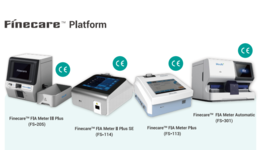 50+ kinds of reagents and five high-performance devices, focusing on detecting cardiovascular disease, inflammation, kidney injury, sex hormones, thyroid function, diabetes, tumor, and others.
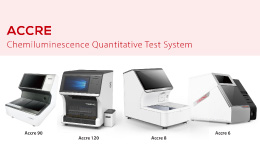 Single-dose Chemiluminescense Immunoassay Platform
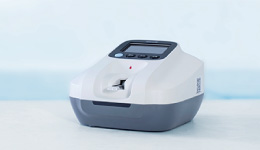 Wondfo optical blood coagulation analyzer is the first one in the world that can test PT, APTT, TT, FIB, and ACT simultaneously.
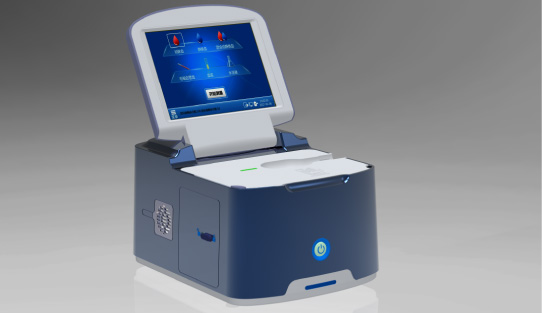 Our Blood Gas Analyzer BGA-102 can produce the result in 30s. Its advantages of portability, easy operation, durability, and high performance make it ideal for clinics, laboratories, and hospitals.
 Ready-to-use lyophilized RT-PCR Reagent;
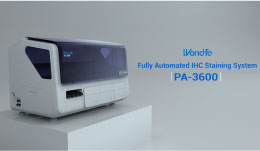 Wondfo PA-3600 IHC Staining System
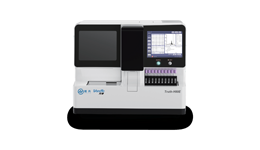 The Wondfo Truth-H80E HPLC Hemoglobin Analyzer is a high-performance diagnostic device designed for rapid and precise measurement of glycosylated hemoglobin (HbA1c)—the gold standard for diabetes diagnosis.It support the standard mode and variant mode and provide the result within 60-90seconds.
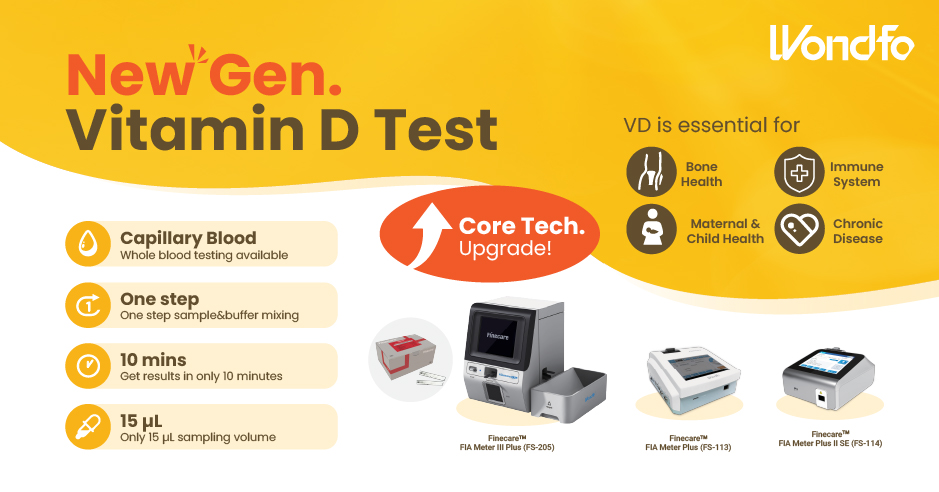 Finecare™ Vitamin D, from complexity to simplicity
 Building A World Free from Antibitoic Overuse
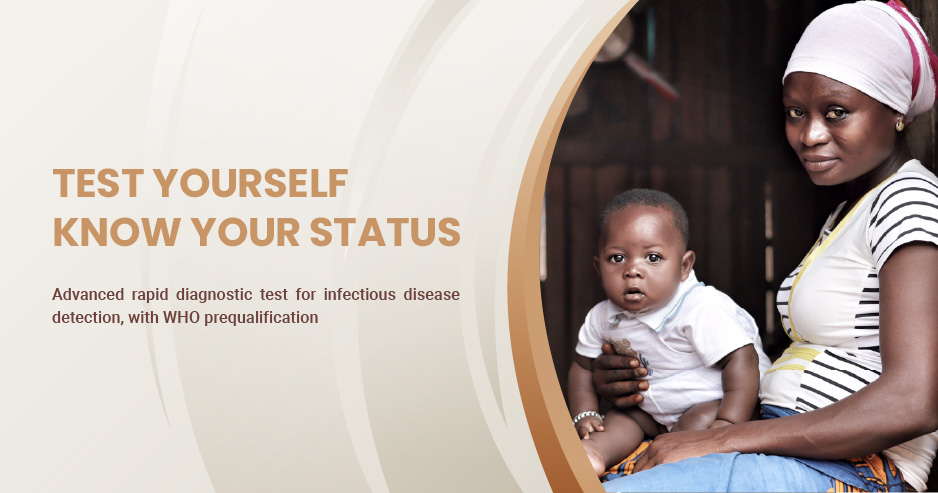 Advanced rapid diagnostic test with WHO prequalification for infectious disease
 The Future Intelligent Medical Assistant to Healthcare
 Fight against the pandemic through continuous innovation



 Request


