Ferritin Test: Assay Performance and Lab Workflow
November 26,2026 (Edit) Wondfo
Ferritin testing is an important part of laboratory assessment for iron deficiency and related disorders. While hemoglobin measurements help identify anemia, ferritin provides information about the body's iron stores and supports the investigation of iron deficiency. For clinical laboratories, adding this assay to the test menu involves several practical considerations, including analytical performance, sample requirements, reagent stability, and daily testing capacity. A suitable chemiluminescence immunoassay (CLIA) solution can support quantitative ferritin measurement within an established immunoassay workflow.
The Role of Ferritin Testing in Anemia Diagnostics
Ferritin is a widely used biomarker for assessing iron stores. Its serum concentration generally reflects the amount of stored iron in the body, making the Ferritin Test valuable for identifying iron deficiency at an early stage and supporting the diagnosis of iron deficiency anemia. Ferritin measurement can also contribute to the assessment of iron overload disorders and follow-up of treatment response.
In anemia investigations, different biomarkers provide complementary information. Hemoglobin indicates the blood's oxygen-carrying capacity, while serum iron reflects circulating iron at the time of testing. Ferritin offers a separate view of stored iron, helping clinicians assess whether depleted iron reserves may be contributing to anemia. Since ferritin levels can also rise in inflammatory conditions, results are interpreted alongside the patient's clinical findings and other laboratory markers. For laboratories, this makes ferritin an important component of a broader anemia testing menu.
Expanding Anemia Testing Menus with Complementary Immunoassays
Ferritin, Vitamin B12, and Folate in Anemia Assessment
Ferritin, vitamin B12, and folate address different aspects of anemia assessment. Ferritin helps evaluate iron stores and identify possible iron deficiency. Vitamin B12 and folate measurements support the investigation of nutritional deficiencies associated with megaloblastic anemia. These markers provide complementary clinical information and can help laboratories support a broader range of anemia investigations.
| Test |
Laboratory application |
| Ferritin |
Assessment of iron stores and iron deficiency |
| Vitamin B12 |
Evaluation of vitamin B12 deficiency |
| Folate |
Evaluation of folate deficiency |
The Value of a Broader Immunoassay Menu
Offering these tests on one CLIA platform can make anemia-related testing more accessible within the same laboratory workflow. It also gives laboratories an opportunity to extend their immunoassay menu in response to local clinical demand, while making use of their existing analyzer capacity.
Wondfo's ACCRE CLIA platform includes Ferritin, vitamin B12, and Folate in its anemia panel. This combination supports laboratories seeking to introduce or expand anemia-related immunoassay services. Assay availability should be confirmed for the selected analyzer model and the applicable market.
Ferritin CLIA Assay Performance and Laboratory Requirements
Key Performance Parameters of a Ferritin Assay
When evaluating a Ferritin CLIA Assay, laboratories may begin with its measuring range, sample volume, and turnaround time. These parameters indicate whether the assay can accommodate routine testing needs and fit the laboratory's existing workflow.
The Wondfo ACCRE Ferritin assay has a stated measuring range of 1–2,000 ng/mL, with a sample volume of 60 μL and a test time of approximately 15 minutes. This range supports quantitative ferritin measurement across a broad concentration span, while the defined sample volume helps laboratories plan sample collection and allocation.
Precision, analytical sensitivity, and specificity are also important when assessing assay performance. Laboratories may review the corresponding validation data and package insert to understand repeatability, low-concentration performance, and potential interference. These details are particularly relevant when comparing assays or establishing local verification procedures.
Sample Types and Pre-Analytical Requirements
The ACCRE Ferritin assay supports serum and plasma samples. Its specified sample volume is 60 μL, a practical detail for laboratories managing sample allocation across multiple tests.
Sample collection, separation, storage, and handling should follow the assay's package insert. Laboratories may also review the documented interference information for factors such as hemolysis, lipemia, and icterus when establishing pre-analytical procedures. Confirming these requirements before implementation helps align the assay with existing sample workflows.
Reagent Stability and Storage Management
Reagent storage conditions, shelf life, calibration requirements, and quality control arrangements all affect routine laboratory operations. The ACCRE reagent platform specifies storage at 2–8°C and a shelf life of up to 18 months. Its reagent kit configuration includes calibrators and quality control materials, supporting routine assay setup and quality monitoring. The applicable Ferritin kit insert should be used to confirm the specific storage and stability conditions for the assay.
Streamlining Ferritin Testing with ACCRE CLIA Workflow
Simplified Testing with Single-Test Reagent Cartridges
Reagent preparation and handling can influence the workload involved in routine immunoassay testing. The ACCRE reagent system uses component-integrated, single-dose cartridges with an all-in-one, ready-to-use design. This reduces the need for additional reagent preparation and separate consumables, helping simplify setup before testing.
For laboratories with variable Ferritin demand, individual-dose cartridges offer flexibility in arranging tests according to incoming samples. The format can be useful when ferritin is requested alongside other immunoassays, since testing can be organized around actual workload instead of relying solely on large batches. The ACCRE reagent kit also includes calibrator and quality control materials, giving laboratories the components needed for assay calibration and routine quality monitoring.
Flexible Testing and Automated Operation on ACCRE Analyzers
The ACCRE analyzer follows a straightforward four-step procedure. The operator pipettes the sample, loads the reagent, starts the test through the touchscreen, and obtains a printed result. This sequence provides a clear workflow for laboratories introducing or expanding CLIA testing.
The platform is designed without internal liquid pathways and is described in its product materials as maintenance-free. This design can reduce routine maintenance tasks associated with liquid handling systems. A 24-hour standby function is also available across the ACCRE platform, supporting operational readiness in laboratories with ongoing testing requirements.
For laboratories adding Ferritin to an existing test menu, these features connect assay-level requirements with day-to-day operation, from reagent preparation through result reporting.
Choosing the Right ACCRE CLIA Analyzer for Your Laboratory
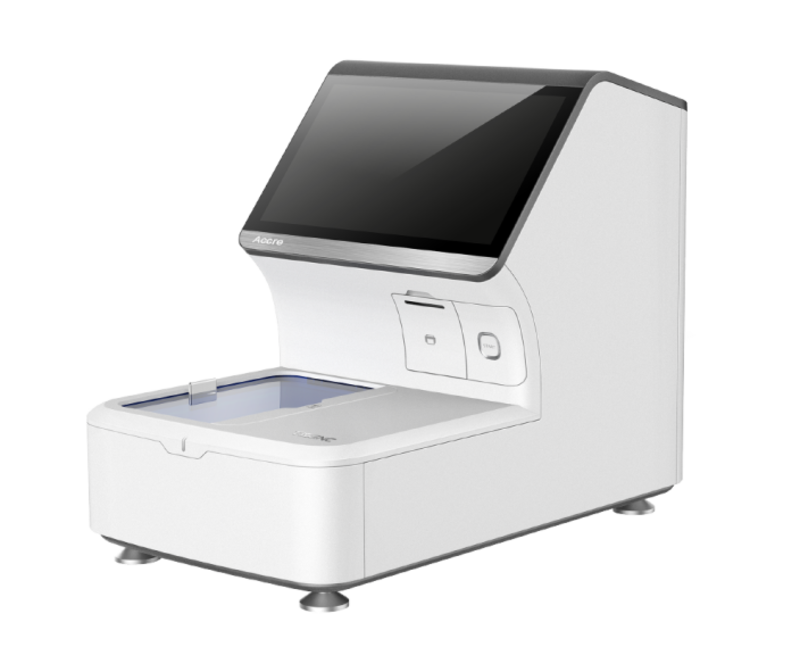
ACCRE 8 for Small Laboratories and Flexible Testing Needs
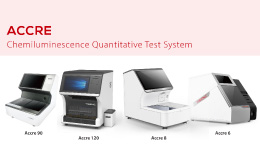
ACCRE 8 is designed for laboratories that need a compact CLIA system for routine immunoassay testing. Its single-chamber configuration provides six channels and a throughput of up to 36 tests per hour. The desktop-sized design can suit clinics, smaller laboratories, and primary healthcare settings where available space and daily testing volume are important considerations. Its straightforward operation also supports laboratories introducing CLIA testing without a complex workflow.
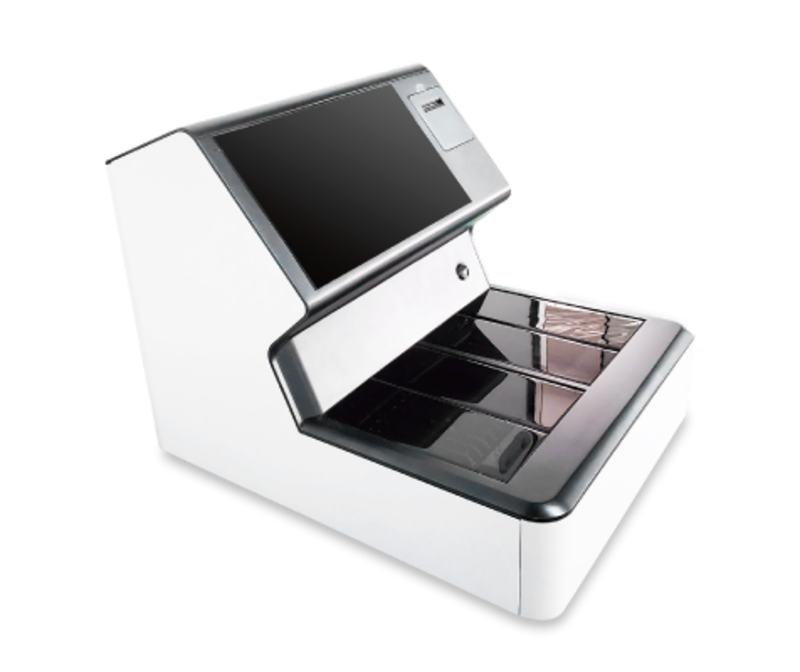
ACCRE 90 for Medium-Sized Laboratories with Multiple Testing Needs
ACCRE 90 has two independent modules with 16 channels and a throughput of up to 96 tests per hour. The modules can process different parameters simultaneously, giving laboratories more flexibility when handling a broader test menu. This configuration may suit medium-sized laboratories and facilities with growing demand across several immunoassay categories.
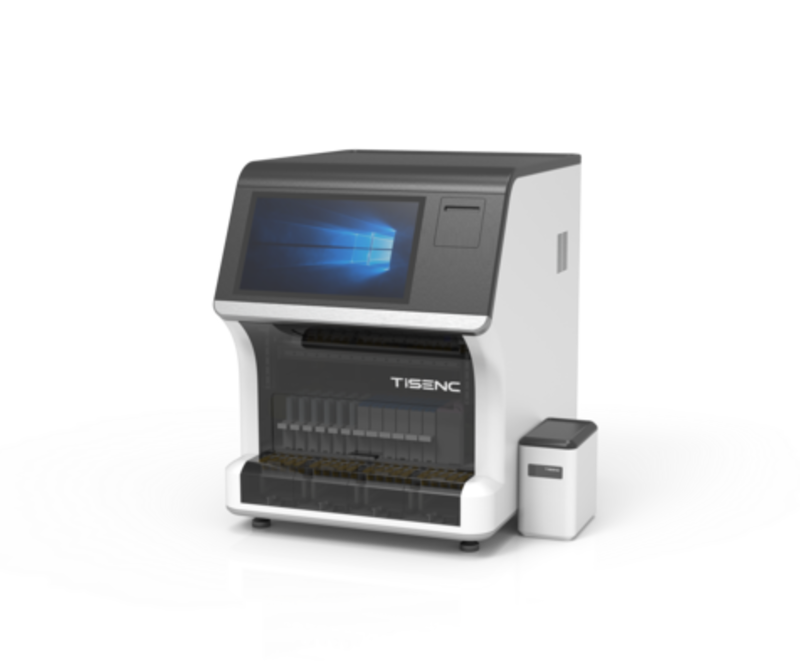
ACCRE 120 for Higher-Volume Laboratory Testing
For laboratories with higher testing volumes, ACCRE 120 offers a throughput of up to 120 tests per hour. It features 20 channels and 30 sample positions, with fully automated operation and primary tube sampling. These capabilities are relevant to larger laboratories that need to manage a greater number of samples within their routine workflow.
Key Factors in CLIA Analyzer Selection
Analyzer selection is best based on the laboratory's daily workload, test menu, sample handling preferences, available space, and plans for future expansion. Reagent compatibility and local assay availability also need to be confirmed as part of procurement.
| Analyzer |
Configuration |
Throughput |
Typical application |
| ACCRE 8 |
1 chamber, 6 channels |
36 tests/hour |
Clinics and smaller laboratories |
| ACCRE 90 |
2 modules, 16 channels |
96 tests/hour |
Medium-sized laboratories |
| ACCRE 120 |
20 channels, 30 sample positions |
120 tests/hour |
Higher-volume laboratories |
These application descriptions are general selection references. The most suitable configuration depends on each laboratory's actual testing volume and workflow.
Wondfo Ferritin CLIA Assay and ACCRE Testing Solutions
Wondfo's ACCRE Ferritin CLIA Assay combines a defined sample requirement with a 15-minute test time and a measuring range of 1–2,000 ng/mL. Together with the ACCRE platform's ready-to-use reagent cartridges and streamlined operating procedure, it provides a practical option for laboratories developing their anemia testing services.
The ACCRE 8, ACCRE 90, and ACCRE 120 offer different throughput and configuration options for laboratories with varying workloads. Ferritin can also be included in an anemia panel alongside Vitamin B12 and Folate, subject to assay availability for the selected model and market.
Laboratories and IVD distributors can contact Wondfo to request Ferritin assay specifications, reagent information, and guidance on selecting an ACCRE analyzer for their testing requirements.
Frequently Asked Questions About Ferritin Testing
What Performance Parameters Should Laboratories Evaluate in a Ferritin Assay?
Key parameters include the measuring range, precision, analytical sensitivity, specificity, sample volume, and turnaround time. Validation data and the assay package insert help laboratories assess whether a test meets their analytical and operational requirements.
What Sample Types Can Be Used for Ferritin Testing?
The Wondfo ACCRE Ferritin assay supports serum and plasma samples, with a required sample volume of 60 μL. Specific collection, handling, and storage requirements should follow the product package insert.
How Should Ferritin Reagents Be Stored and Managed?
The ACCRE reagent platform specifies storage at 2–8°C and a shelf life of up to 18 months. Laboratories should confirm the Ferritin kit's specific stability conditions and follow the instructions for calibration and quality control.
Can Ferritin Be Tested on a CLIA Analyzer?
Yes. Ferritin is included in the ACCRE CLIA test menu. The assay uses the ACCRE platform for quantitative measurement, with a stated test time of approximately 15 minutes.



 The first developed technology platform with various application scenarios, including infectious disease, fertility, DOA, etc.
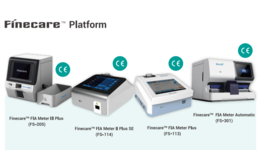 50+ kinds of reagents and five high-performance devices, focusing on detecting cardiovascular disease, inflammation, kidney injury, sex hormones, thyroid function, diabetes, tumor, and others.
 Single-dose Chemiluminescense Immunoassay Platform
 Wondfo optical blood coagulation analyzer is the first one in the world that can test PT, APTT, TT, FIB, and ACT simultaneously.
 Our Blood Gas Analyzer BGA-102 can produce the result in 30s. Its advantages of portability, easy operation, durability, and high performance make it ideal for clinics, laboratories, and hospitals.
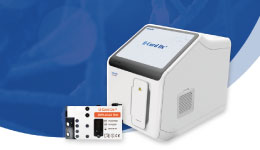 Ready-to-use lyophilized RT-PCR Reagent;
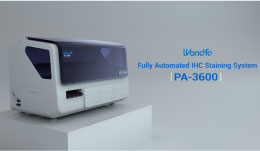 Wondfo PA-3600 IHC Staining System
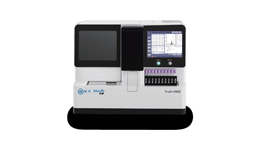 The Wondfo Truth-H80E HPLC Hemoglobin Analyzer is a high-performance diagnostic device designed for rapid and precise measurement of glycosylated hemoglobin (HbA1c)—the gold standard for diabetes diagnosis.It support the standard mode and variant mode and provide the result within 60-90seconds.
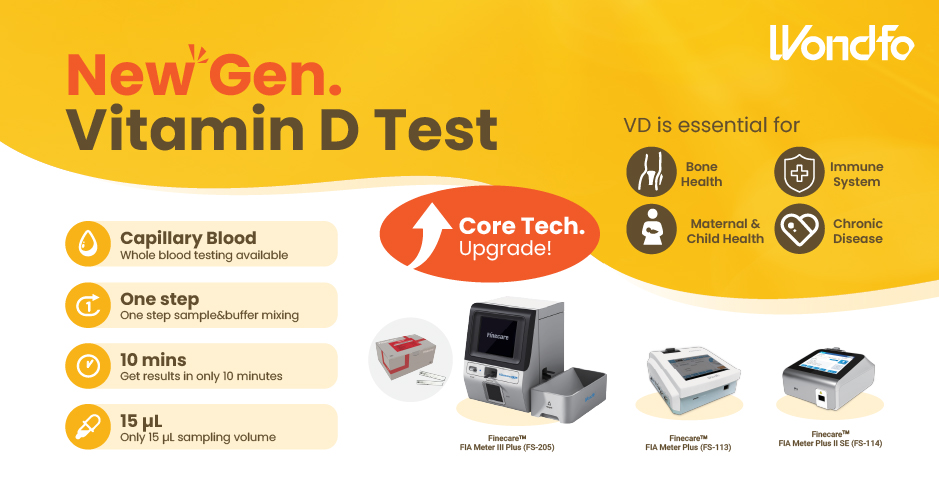 Finecare™ Vitamin D, from complexity to simplicity
 Building A World Free from Antibitoic Overuse
 Advanced rapid diagnostic test with WHO prequalification for infectious disease
 The Future Intelligent Medical Assistant to Healthcare
 Fight against the pandemic through continuous innovation



 Request


